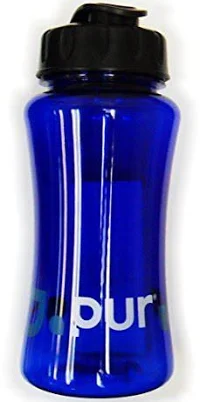
PUR Water Bottle
Lower concern, but ask PUR directly about PFAS transparency.
Standard plastic and activated carbon don't inherently require PFAS. PUR doesn't publicly disclose PFAS testing or standards.
We flunk more products than we pass. This one earned its grade. How we grade
Material
BPA-free plastic bottle with activated carbon filter cartridge
Lab data
No public lab test
You may also be interested in
Top-graded picks in the categories readers replace first, every one scored on the same rubric.

- polypropylene filter housing, carbon/sediment cartridge
- We found no PFAS statement from the brand
- Bacterial growth in spent cartridges
3 hazards checked on this product, all on its full breakdown.

Aquasure
Premier Series 75 GPD Under Sink Reverse Osmosis Water Filtration System
- RO membrane, carbon filters, stainless steel housing
- We found no PFAS statement from the brand
- Bacterial and microbial growth in housing and filters
4 hazards checked on this product, all on its full breakdown.

Avocado
Vegan Mattress
- organic cotton, natural latex, coconut coir, recycled steel coils
- The brand calls it PFAS-free, which we have not verified
- Heavy metals
2 hazards checked on this product, all on its full breakdown.
What PUR Water Bottle is made of, ingredients and materials
PUR water bottles use BPA-free plastic (typically polypropylene or copolyester) for the main bottle body and activated carbon cartridges for filtration. BPA-free plastic removes one major endocrine disruptor concern, though the replacement polymers themselves have not been tested as extensively long-term. Activated carbon is a well-established water treatment media that works by adsorption rather than chemical reaction, which may present lower concern than ion-exchange or chemical additives for certain leaching pathways.
What’s concerning
No PFAS disclosure
No public statement from the brand about PFAS in this product.
Plastic polymer degradation and leaching
BPA-free polypropylene and copolyester are stable under normal cool/room-temperature use, but any plastic can degrade over years with UV exposure, heat cycling, or acidic/alkaline water. No specific leachate has been documented in PUR bottles under normal conditions, but regular inspection for cloudiness, cracks, or odor is prudent.
Activated carbon filter saturation and bacterial growth
If cartridges are not replaced on schedule, saturated carbon loses adsorption capacity and can harbor bacterial biofilm, potentially contaminating rather than purifying water. PUR provides replacement guidance, but consumer non-compliance is common; this is a maintenance risk, not a manufacturing defect.
Off-gassing from new bottle (VOC)
New plastic bottles may emit trace volatile organic compounds (plastic smell) for the first few uses. Rinsing thoroughly and airing out the bottle before first use can minimize this; it poses minimal health risk to most users but may indicate incomplete polymer curing in manufacturing.
What’s reassuring
Base material not linked to PFAS
The main material recorded for this product is not one associated with PFAS.
Phthalates
No reported use of phthalate plasticizers in PUR water bottles; BPA-free formulations typically avoid phthalates. However, PUR's exact resin specification is not publicly detailed, so independent certification (NSF) is the main assurance available.
Source, ATSDR ↗Microplastics
Activated carbon filters are not known to shed microplastics; polypropylene bottles do not fragment into microplastics under normal drinking conditions. However, wear and tear over years could theoretically release particles; replacing bottles every 2-3 years of daily use is reasonable practice.
Source, EPA ↗How is this PFAS grade calculated?
The brand's record and disclosure
PUR is owned by Nestlé Waters and has published general safety certifications (NSF, FDA compliance claims) but provides minimal public disclosure on PFAS testing or mitigation. The brand has not faced major product recalls in the filtered-bottle category. However, their silence on PFAS means no third-party verification of drinking water output; this is a transparency gap rather than evidence of contamination. Consumers requiring PFAS assurance should contact PUR directly or choose brands with published test results.
How it compares in its category
Filtered water bottles occupy a middle ground between unfiltered bottles and pitcher filters; PUR is among the more established players with consistent NSF certification. Compared to plain plastic bottles, the carbon filter adds minimal leaching risk while improving water quality. Some competitors (Brita, Clearly Filtered) publish more detailed PFAS test data; others offer similar BPA-free plastic construction without distinguishing features. PUR's main trade-off is convenience versus the brand's reluctance to detail what contaminants their filters actually remove.
If you buy it
Replace filter cartridges every 40 gallons or 2 months per manufacturer guidance; using expired filters may reduce efficacy and allow bacterial growth in saturated carbon. Do not heat the bottle above 120 degrees Fahrenheit (hot water can degrade plastic and release leachables); rinse it in cool water. Store in a cool, dry place away from direct sunlight to slow polymer degradation. If you have specific water quality concerns (PFAS, nitrates, heavy metals), request a local water report or send a sample to an independent lab rather than relying on the filter's unspecified removal rates.
What is not known about PFAS in this product?
- Basis
- Model estimate, 65% confidence, not a lab result
- Lab test
- None on record for this exact product
- Brand statement
- PUR has made a specific claim
Formulations change between production runs, so check the current label. How we grade.
What are the PFAS-free alternatives to PUR Water Bottle?
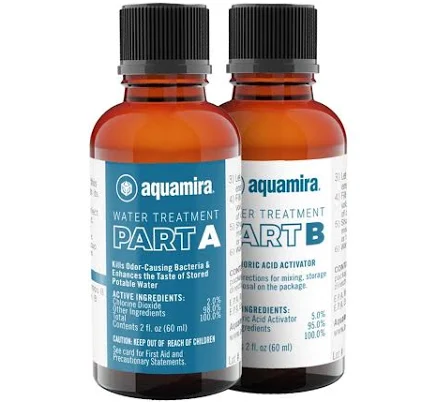
- glass bottles, sodium dichloroisocyanurate treatment chemical
- We found no PFAS statement from the brand
- Chemical overdose or misuse
5 hazards checked on this product, all on its full breakdown.
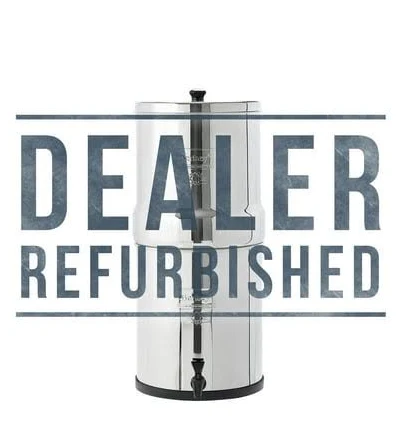
- Stainless steel housing and spigot
- We found no PFAS statement from the brand
- Bacterial growth and biofilm if filters not replaced
5 hazards checked on this product, all on its full breakdown.
- Borosilicate glass pitcher, replaceable activated-carbon filter cartridge
- Bacterial growth in filter cartridge if unmaintained
5 hazards checked on this product, all on its full breakdown.
More water filters grades
How we score, every product runs through the same public 0-100 rubric based on materials, coatings, brand disclosure, lab findings, and recalls. See the full methodology → Spotted a mistake? Report an error.