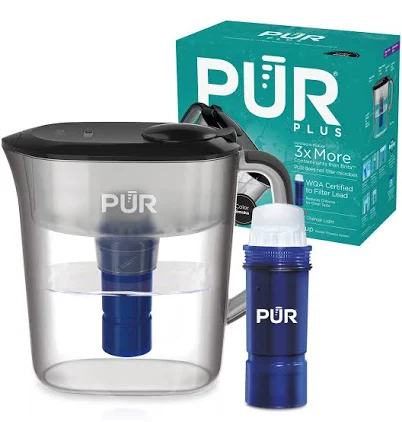
PUR Plus 11 Cup Water Filter Pitcher
Low concern; standard carbon filters unlikely to contain PFAS, though the brand provides no verification.
PUR's pitcher relies on activated carbon and ion-exchange resin, materials not linked to PFAS. The brand hasn't disclosed PFAS testing or detailed housing materials.
We flunk more products than we pass. This one earned its grade. How we grade
Material
Activated carbon and resin filter media, plastic pitcher housing
Lab data
No public lab test
You may also be interested in
Top-graded picks in the categories readers replace first, every one scored on the same rubric.

- polypropylene filter housing, carbon/sediment cartridge
- We found no PFAS statement from the brand
- Bacterial growth in spent cartridges
3 hazards checked on this product, all on its full breakdown.

Aquasure
Premier Series 75 GPD Under Sink Reverse Osmosis Water Filtration System
- RO membrane, carbon filters, stainless steel housing
- We found no PFAS statement from the brand
- Bacterial and microbial growth in housing and filters
4 hazards checked on this product, all on its full breakdown.

Avocado
Vegan Mattress
- organic cotton, natural latex, coconut coir, recycled steel coils
- The brand calls it PFAS-free, which we have not verified
- Heavy metals
2 hazards checked on this product, all on its full breakdown.
What PUR Plus 11 Cup Water Filter Pitcher is made of, ingredients and materials
The PUR Plus 11 Cup uses activated carbon and ion-exchange resin in the filter cartridge to reduce chlorine, sediment, and some dissolved impurities from tap water. The pitcher housing is plastic (likely polypropylene or copolymer) that holds filtered water between uses. Activated carbon is not a material linked to PFAS; resin beads show lower concern for leaching under normal cold-water conditions. The plastic housing is not heated and sits at room temperature, minimizing leaching risk from the pitcher itself.
What’s concerning
No PFAS disclosure
No public statement from the brand about PFAS in this product.
Bacterial growth in pitcher housing and filter media
All pitcher filters can harbor bacteria if not cleaned weekly and filters not replaced on schedule. PUR's housing design includes a reservoir; stagnant water or damp filter cartridges left in place too long increase risk of Legionella or coliform proliferation, especially in warm climates.
Resin saturation and reduced contaminant removal
Ion-exchange resin exhausts after filtering the rated gallon volume; if filters are not replaced on time, water quality drops and some contaminants may pass through. This is not a toxicity hazard but a performance failure that can indirectly increase exposure to chlorine or sediment.
Inadequate testing and disclosure of sourced filter materials
PUR does not publicly disclose third-party testing for PFAS, heavy metals, or other contaminants in the activated carbon or resin sourcing. While the brand is certified by NSF, the absence of material-level transparency leaves potential supply-chain risks unverified.
What’s reassuring
Base material not linked to PFAS
The main material recorded for this product is not one associated with PFAS.
BPA & bisphenols
PUR pitcher housing is not reported to leach BPA or phthalates under normal cold-water storage. The plastic is not heated and exposure is to room-temperature filtered water. No recalls or third-party testing has documented leaching from this specific model.
Source, FDA ↗Filter media degradation and microplastic shedding
Activated carbon and resin beads do not typically shed microplastics when used as intended in cold water. Overuse, physical damage, or improper cleaning can degrade the filter cartridge, but no data suggests significant particle release from PUR Plus filters under normal conditions.
How is this PFAS grade calculated?
The brand's record and disclosure
PUR (owned by Helen of Troy) is a mainstream NSF-certified brand with a long market presence and no documented recalls related to housing leaching or filter contamination. The company does not publicly detail PFAS testing or mitigation on this model, leaving uncertainty about filter material sourcing. PUR has faced no major lawsuits or regulatory actions specific to water pitcher safety, and third-party testing has not revealed unusual contaminants in filtered water from this line.
How it compares in its category
Pitcher filters like PUR compete with Brita, ZeroWater, and others using similar carbon-resin technology. PUR Plus models are mid-range in cost and filter longevity (40-60 gallons per cartridge, typical for the category). All pitcher filters carry the same fundamental risks, bacteria growth if not cleaned regularly, and filter saturation if overused. PUR's NSF certification is standard in the category and does not distinguish it as higher or lower risk than major competitors.
If you buy it
Replace filters every 2-3 months or after the recommended gallon count to prevent bacterial colonization and reduced effectiveness. Wash the pitcher and lid weekly with warm soapy water, and dry thoroughly before refilling. Do not use the pitcher for hot water, and store in a cool, dry place away from direct sunlight. If you notice cloudy water, off-odors, or slower flow, replace the filter immediately; these are signs of saturation or microbial growth.
What is not known about PFAS in this product?
- Basis
- Model estimate, 72% confidence, not a lab result
- Lab test
- None on record for this exact product
- Brand statement
- PUR has made a specific claim
Formulations change between production runs, so check the current label. How we grade.
What are the PFAS-free alternatives to PUR Plus 11 Cup Water Filter Pitcher?
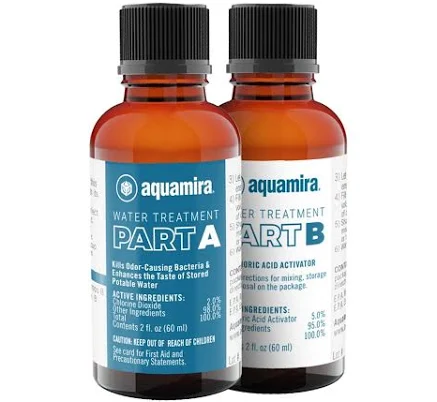
- glass bottles, sodium dichloroisocyanurate treatment chemical
- We found no PFAS statement from the brand
- Chemical overdose or misuse
5 hazards checked on this product, all on its full breakdown.
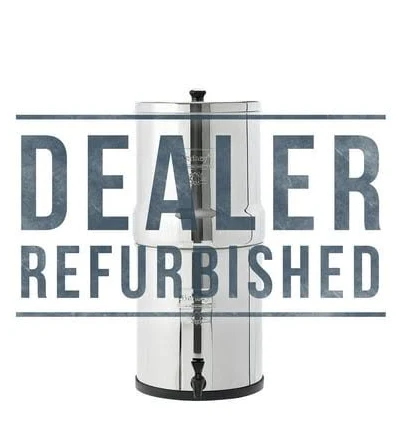
- Stainless steel housing and spigot
- We found no PFAS statement from the brand
- Bacterial growth and biofilm if filters not replaced
5 hazards checked on this product, all on its full breakdown.
- Borosilicate glass pitcher, replaceable activated-carbon filter cartridge
- Bacterial growth in filter cartridge if unmaintained
5 hazards checked on this product, all on its full breakdown.
More water filters grades
How we score, every product runs through the same public 0-100 rubric based on materials, coatings, brand disclosure, lab findings, and recalls. See the full methodology → Spotted a mistake? Report an error.