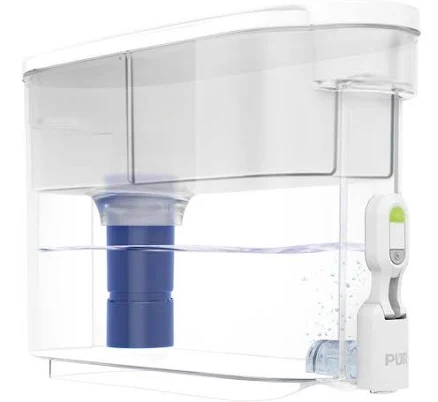
PUR Plus 30-Cup Water Filter Pitcher Dispenser DS1811Z
Low concern; standard carbon filter without known PFAS coatings, though PUR hasn't tested.
This PUR pitcher uses activated carbon filtration, a lower-PFAS technology, with a BPA-free plastic body and no Teflon-family coating coatings. PUR hasn't publicly tested or disclosed PFAS information.
We flunk more products than we pass. This one earned its grade. How we grade
Material
plastic pitcher (BPA-free specified), activated carbon filter cartridge
Lab data
No public lab test
You may also be interested in
Top-graded picks in the categories readers replace first, every one scored on the same rubric.

- polypropylene filter housing, carbon/sediment cartridge
- We found no PFAS statement from the brand
- Bacterial growth in spent cartridges
3 hazards checked on this product, all on its full breakdown.

Aquasure
Premier Series 75 GPD Under Sink Reverse Osmosis Water Filtration System
- RO membrane, carbon filters, stainless steel housing
- We found no PFAS statement from the brand
- Bacterial and microbial growth in housing and filters
4 hazards checked on this product, all on its full breakdown.

Avocado
Vegan Mattress
- organic cotton, natural latex, coconut coir, recycled steel coils
- The brand calls it PFAS-free, which we have not verified
- Heavy metals
2 hazards checked on this product, all on its full breakdown.
What PUR Plus 30-Cup Water Filter DS1811Z is made of, ingredients and materials
The DS1811Z pitcher body is BPA-free plastic (polypropylene or similar food-grade thermoplastic), which eliminates the endocrine-disrupting concern associated with older bisphenol A formulations. The filter cartridge uses activated carbon, a benign adsorbent that does not leach into water under normal use. The pitcher lid and spigot are also plastic; these components do not involve glazes, enamels, or ceramic coatings that could introduce lead or cadmium. No Teflon-type coating (Teflon) or related Teflon-family coating are used in the filtration media itself.
What’s concerning
No PFAS disclosure
No public statement from the brand about PFAS in this product.
Bacterial growth if filter or water not maintained
Any pitcher filter with standing water can develop biofilm inside the spigot valve and filter housing, especially if the pitcher sits unused for days. Emptying and drying weekly, replacing filters on schedule, and avoiding warm environments reduce this risk substantially.
Filter cartridge housing material safety
The filter cartridge itself is not a transparent hazard, but replacement cartridges from PUR have not been independently analyzed for PFAS content in the housing or adhesives. If PFAS-containing materials are used in manufacturing, they could theoretically migrate into filtered water over the filter's lifespan.
Degradation of plastic seals or valve over time
The spigot valve and pitcher seals are plastic and may crack, shrink, or degrade after 1-2 years of repeated fill-drain cycles and exposure to chlorinated water. Degraded seals can allow unfiltered water bypass or bacterial entry; inspect visibly and replace the pitcher if cracks appear.
What’s reassuring
Base material not linked to PFAS
The main material recorded for this product is not one associated with PFAS.
Plastic leaching from pitcher body or lid
PUR specifies BPA-free plastic, and no reports of off-gassing or leaching of other plasticizers (phthalates, BPS) have been documented for this model. Cold water contact poses minimal risk; heat exposure above 120°F is the primary concern, but pitcher design is not intended for hot water.
How is this PFAS grade calculated?
The brand's record and disclosure
PUR (the manufacturer) has not made public commitments to PFAS testing or transparency in water filtration products, despite PFAS being a known concern in some carbon filters and filter housings. The company holds NSF International certification for its filter cartridges, which covers reduction of chlorine and some chemical contaminants, but NSF certification does not mandate PFAS disclosure. No product recalls, contamination incidents, or safety complaints tied to this specific model have been documented in public databases. PUR's parent company (Helen of Troy) has not issued category-wide PFAS testing statements.
How it compares in its category
This pitcher filter is a typical activated-carbon design, functionally similar to Brita, ZeroWater, and store-brand equivalents; all carry the same baseline plastic-leaching and bacterial-growth risks if poorly maintained. The 30-cup capacity is mid-range; larger pitchers reduce filter use frequency but increase water stasis risk. The BPA-free designation is now standard across the category and does not confer advantage, though it does eliminate a historical hazard. No data suggests PUR pitchers leach more or fewer contaminants than competitors when filters are replaced on schedule.
If you buy it
Replace the filter cartridge every 40-80 gallons (typically 2-3 months with household use); expired filters lose adsorption capacity and can harbor bacterial biofilm. Do not fill the pitcher with hot water above 120°F, as extended heat exposure may degrade plastic seals and increase leaching. Empty and dry the pitcher at least weekly to prevent standing water and mold growth inside the basin or spigot. Use only PUR-branded or compatible replacement cartridges; third-party filters may not fit correctly or may introduce contaminants.
What is not known about PFAS in this product?
- Basis
- Model estimate, 68% confidence, not a lab result
- Lab test
- None on record for this exact product
- Brand statement
- PUR has made a specific claim
Formulations change between production runs, so check the current label. How we grade.
What are the PFAS-free alternatives to PUR Plus 30-Cup Water Filter Pitcher Dispenser DS1811Z?
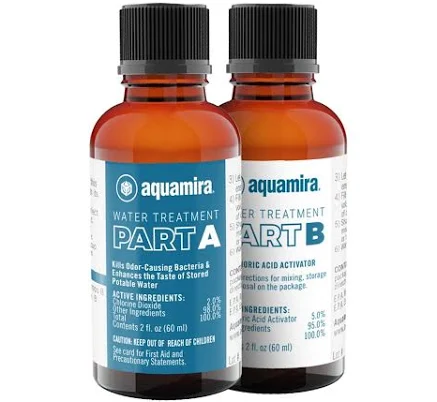
- glass bottles, sodium dichloroisocyanurate treatment chemical
- We found no PFAS statement from the brand
- Chemical overdose or misuse
5 hazards checked on this product, all on its full breakdown.

- Stainless steel housing and spigot
- We found no PFAS statement from the brand
- Bacterial growth and biofilm if filters not replaced
5 hazards checked on this product, all on its full breakdown.
- Borosilicate glass pitcher, replaceable activated-carbon filter cartridge
- Bacterial growth in filter cartridge if unmaintained
5 hazards checked on this product, all on its full breakdown.
More water filters grades
How we score, every product runs through the same public 0-100 rubric based on materials, coatings, brand disclosure, lab findings, and recalls. See the full methodology → Spotted a mistake? Report an error.