Pyrex · Parchment Paper & Baking Liners
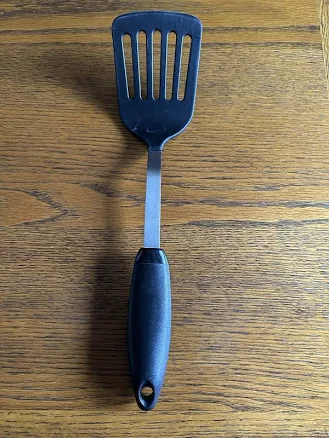
Vintage Pyrex Slotted Nylon Stainless Spatula Black Flipper Turner
Lower PFAS concern. Nylon and stainless utensils pose minimal risk.
Nylon and stainless steel kitchen utensils are naturally low-PFAS materials without nonstick or water-repellent treatment. No known PFAS hazard comes from this product design.
The better-graded swap
If You Care
If You Care Baking Paper, Parchment, 70 Square Feet
90/100 safety
Same rubric that flunked this product. The swap earned Excellent.
Still want this one anyway? Check the price on Amazon. We’d swap it.
Material
Nylon slotted head, stainless steel handle
Lab data
No public lab test
You may also be interested in
Top-graded picks in the categories readers replace first, every one scored on the same rubric.

- polypropylene filter housing, carbon/sediment cartridge
- We found no PFAS statement from the brand
- Bacterial growth in spent cartridges
3 hazards checked on this product, all on its full breakdown.

Aquasure
Premier Series 75 GPD Under Sink Reverse Osmosis Water Filtration System
- RO membrane, carbon filters, stainless steel housing
- We found no PFAS statement from the brand
- Bacterial and microbial growth in housing and filters
4 hazards checked on this product, all on its full breakdown.

Avocado
Vegan Mattress
- organic cotton, natural latex, coconut coir, recycled steel coils
- The brand calls it PFAS-free, which we have not verified
- Heavy metals
2 hazards checked on this product, all on its full breakdown.
What Vintage Pyrex Slotted Nylon Flipper Turner is made of, ingredients and materials
This spatula uses a nylon slotted head bonded to a stainless steel handle. Nylon is a synthetic polymer that does not leach significant chemicals into food under normal cooking temperatures (nylon melts above 500°F, well above typical stovetop use). Stainless steel is chemically inert and does not degrade or migrate into food. The main wear point is the nylon-to-steel junction, which can eventually separate with heavy use but poses no acute safety hazard when intact.
What’s concerning
No PFAS disclosure
No public statement from the brand about PFAS in this product.
Category baseline
The starting point for this type of product, before anything specific to this product is counted.
Nylon thermal degradation
Nylon can begin to soften and degrade above 400-500°F. Normal stovetop cooking (200-350°F) poses no risk, but prolonged contact with very hot cookware or open flame could cause partial melting or off-gassing of breakdown products.
Microplastic shedding from nylon
Nylon utensils can shed microscopic fibers with extended use, particularly if the nylon shows wear, cracking, or degradation. While the health impact of trace nylon particles in food is not established as significant, minimizing wear reduces fiber release and extends usable life.
What’s reassuring
Base material not linked to PFAS
The main material recorded for this product is not one associated with PFAS.
Handle coating or adhesive leaching
No adhesives or coatings that migrate into food have been reported for Pyrex stainless steel utensil handles. Stainless steel itself is inert. If the nylon head separates over time, the exposed adhesive is not intended for food contact but poses minimal risk if not ingested.
Stainless steel corrosion or metal leaching
Quality stainless steel (typically 18/10 or 18/8 grade used in Pyrex products) does not leach iron, chromium, or nickel under normal cooking or storage. Vintage pieces may show surface rust if stored improperly, but this indicates water exposure rather than food-contact degradation.
Lead
This spatula is a utensil with a bare stainless steel handle, not a glazed or enameled cooking vessel. No coating hazards typical of vintage Pyrex dishes apply here. Pyrex did face historical lead concerns in some colored glassware, but not in stainless steel utensils.
Source, ATSDR ↗How is this PFAS grade calculated?
The brand's record and disclosure
Pyrex is primarily known for glassware and baking dishes, not utensils. The brand has not faced major safety recalls or controversies related to kitchen utensils in recent public records. Pyrex does not publish detailed material sourcing or manufacturing transparency statements for accessories like this spatula. As a vintage or older item, modern Pyrex safety certifications or third-party testing may not apply to this specific production batch.
How it compares in its category
Slotted nylon spatulas present lower concern because nylon is heat-stable and non-reactive, unlike silicone (which can off-gas at very high heat) or metal turners (which conduct heat to the handle). Stainless steel handles are standard and preferred over aluminum or painted wood. This product sits in the low-risk category for kitchen utensils overall.
If you buy it
Keep the spatula away from direct flame or temperatures above 350-400°F to prevent nylon degradation. Hand wash rather than dishwash if possible to extend the life of the nylon-steel bond. Inspect periodically for separation, delamination, or visible cracks in the nylon; replace if the head begins to detach. Store away from direct heat sources. For vintage pieces, ensure no surface rust or pitting has developed on the steel handle.
What is not known about PFAS in this product?
- Basis
- Model estimate, 78% confidence, not a lab result
- Lab test
- None on record for this exact product
- Brand statement
- Pyrex has made a specific claim
Formulations change between production runs, so check the current label. How we grade.
What are the PFAS-free alternatives to Vintage Pyrex Slotted Nylon Stainless Spatula Black Flipper Turner?
- silicone-coated parchment paper
- The brand calls it PFAS-free, which we have not verified
- Paper degradation and particulate shedding
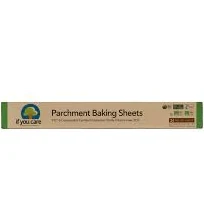
- unbleached paper with silicone coating
- The brand calls it PFAS-free, which we have not verified
- Silicone coating degradation at high heat
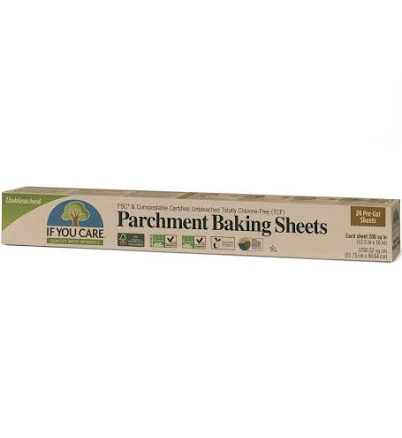
- bleached paper with silicone coating
- The brand calls it PFAS-free, which we have not verified
- Paper degradation and fragmentation
More parchment paper & baking liners grades
How we score, every product runs through the same public 0-100 rubric based on materials, coatings, brand disclosure, lab findings, and recalls. See the full methodology → Spotted a mistake? Report an error.