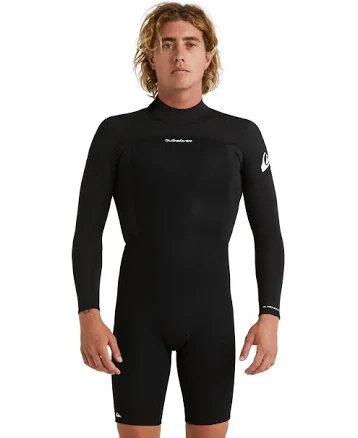
Quiksilver Men's Prologue Long Sleeve Spring Suit
Avoid or contact Quiksilver directly; no PFAS disclosure on wetsuits.
Spring suits typically feature neoprene with water-repellent finishes historically reliant on PFAS. Quiksilver provides no public disclosure of PFAS avoidance or alternatives.
The better-graded swap
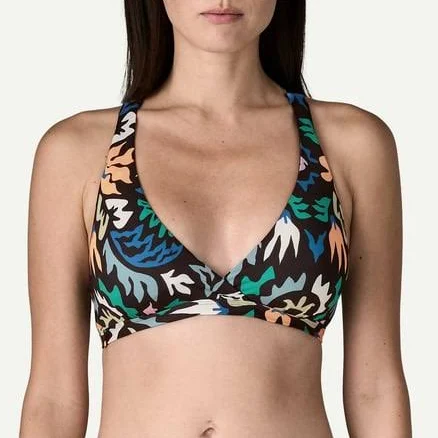
Patagonia
Patagonia Women's Bottom Turn Racerback Bikini Top
90/100 safety
Same rubric that flunked this product. The swap earned Excellent.
Still want this one anyway? Check the price on Amazon. We’d swap it.
Material
Neoprene/synthetic rubber with water-repellent coating treatment
Lab data
No public lab test
What Quiksilver Men's Prologue Long Sleeve is made of, ingredients and materials
This spring suit uses neoprene (synthetic rubber) as the core insulating layer, typically bonded with nylon or polyester facing fabrics. Neoprene itself is chemically stable when cured, but the concern here is the water-repellent coating (water-repellent coating) finish applied to the outer fabric. water-repellent coating coatings historically relied on PFAS chemistry (PFAS "forever chemicals") to create water beading, though some manufacturers have moved to fluorine-free alternatives. Quiksilver has not publicly disclosed which water-repellent coating chemistry is used on this product, making the fluorine load impossible to assess from available information.
What’s concerning
Category baseline
The starting point for this type of product, before anything specific to this product is counted.
No PFAS disclosure
No public statement from the brand about PFAS in this product.
Waterproof / stain-resistant treatment
Water-repellent coating treatments have historically used PFAS.
water-repellent coating chemistry (fluorinated or fluorine-free unknown)
Quiksilver does not disclose whether the water-repellent finish uses PFAS or fluorine-free chemistry. If PFAS-based, the coating can migrate to skin during wear and may persist in the environment after disposal. No test data publicly available for this specific product.
Neoprene degradation and microparticle shedding
Neoprene wetsuits gradually break down with UV exposure and thermal stress, releasing small rubber particles during wear and washing. Long-term health impacts of chronic neoprene microparticle inhalation or ingestion are not well characterized, but degraded coatings also increase risk of direct skin contact with adhesives or dyes used in the laminate.
Chlorine and salt water interaction with coatings
Repeated exposure to chlorinated pools or high-salinity ocean water can degrade water-repellent coating finishes and accelerate neoprene oxidation. This is not unique to Quiksilver but affects longevity and may increase coating particle shedding in the final product life stages.
What’s reassuring
Adhesive and laminate residues
Neoprene is bonded to outer fabrics using synthetic adhesives; no specific hazard reports exist for Quiksilver spring suits. Standard manufacturing uses solvent-based or heat-activated adhesives that should cure completely before retail. Verify that the suit has no chemical odor upon arrival, which may indicate incomplete cure.
Dye and colorant safety
Neoprene and nylon facing are dyed using industrial processes. No azo dye restrictions or heavy-metal contamination has been reported in Quiksilver wetsuits. Rinsing new suits before wear is good practice for all wetsuits to remove loose dye residues.
The full breakdown
The brand's record and disclosure
Quiksilver has not published a comprehensive chemical transparency policy or PFAS phase-out commitment comparable to leading outdoor brands. The company does not routinely disclose water-repellent coating chemistry on product specification sheets or tags. No major recalls or public health controversies tied to Quiksilver wetsuits have been established in consumer safety databases. This silence around water-repellent coating treatment is the primary red flag; the absence of a stated commitment to PFAS-free coatings means the product may or may not contain fluorinated compounds.
How it compares in its category
Spring suits occupy a middle ground between full winter wetsuits and rash guards. Compared to thicker winter suits, spring suits have thinner neoprene (typically 2-3mm) and shorter sleeves, reducing cumulative material load. Many competitors in the spring suit segment (e.g., O'Neill, Xcel, Patagonia) now label products as PFAS-free or use branded fluorine-free water-repellent coating systems. Quiksilver's lack of equivalent transparency puts this product at a disadvantage in a category where water-repellent coating disclosure has become competitive standard practice.
If you buy it
Rinse the suit in fresh water after each use to minimize skin contact with any residual water-repellent coating. Store it dry in a cool place away from direct sunlight to slow neoprene degradation and preserve coating integrity. Avoid high-heat drying or machine washing, which can degrade both the neoprene bond and the water-repellent coating finish. Contact Quiksilver customer service directly before purchase to request water-repellent coating chemistry documentation; a willingness to provide this information is a sign of responsible manufacturing.
What we don’t know
- Basis
- Model estimate, 45% confidence, not a lab result
- Lab test
- None on record for this exact product
- Brand statement
- Quiksilver has made a specific claim
Formulations change between production runs, so check the current label. How we grade.
Better-graded alternatives in Swimwear
Patagonia
Women's Bottom Turn Racerback Bikini Top
- Nylon/polyester blend with elastane (standard swimwear)
- The brand calls it PFAS-free, which we have not verified
- Elastane (spandex) degradation under heat or chlorine
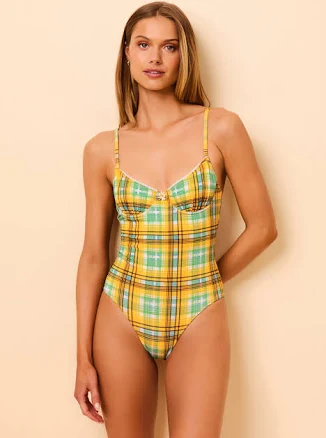
Solid & Striped
Taylor One Piece Seersucker Plaid
- Cotton/cotton-blend seersucker plaid
- We found no PFAS statement from the brand
- Azo dyes and colorfast stability
2 hazards checked on this product. See all of them.
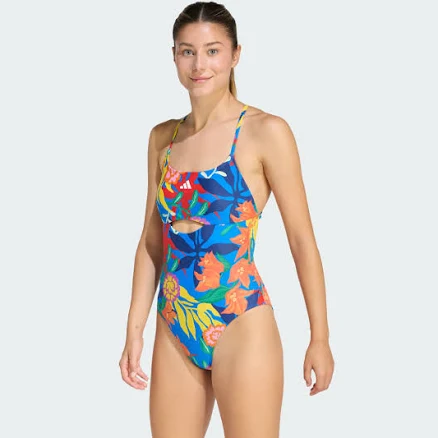
Adidas
Women's Mexicana Florals Tie-Back Swimsuit
- Polyester/nylon swimsuit fabric, likely uncoated or standard finish
- Azo dyes and synthetic colorants
4 hazards checked on this product. See all of them.
More swimwear grades
How we score, every product runs through the same public 0-100 rubric based on materials, coatings, brand disclosure, lab findings, and recalls. See the full methodology → Spotted a mistake? Report an error.