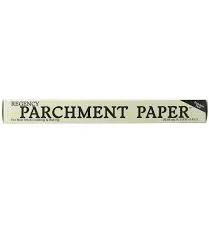
Harold Import Co. · Parchment Paper & Baking Liners
Harold Import Co. Parchment Paper
Reasonable choice as traditional parchment paper, but the brand stays silent on PFAS.
This silicone-coated parchment paper likely has lower PFAS risk than Teflon-family coating alternatives. The brand makes no public statements about PFAS and no third-party testing exists for this product.
The better-graded swap
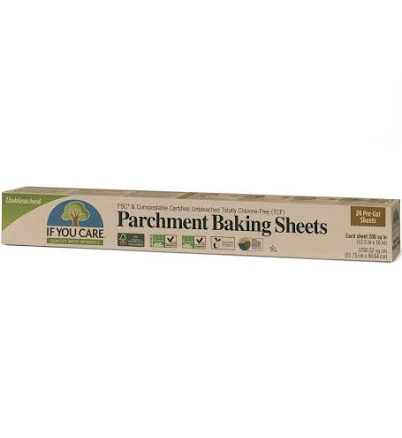
If You Care
If You Care Baking Paper, Parchment, 70 Square Feet
90/100 safety
Same rubric that flunked this product. The swap earned Excellent.
Still want this one anyway? Check the price on Amazon. We’d swap it.
Material
cellulose paper with silicone coating
Brand disclosure
Brand is silent on PFAS
Lab data
No public lab test
You may also be interested in
Top-graded picks in the categories readers replace first, every one scored on the same rubric.

- polypropylene filter housing, carbon/sediment cartridge
- We found no PFAS statement from the brand
- Bacterial growth in spent cartridges
3 hazards checked on this product, all on its full breakdown.

Aquasure
Premier Series 75 GPD Under Sink Reverse Osmosis Water Filtration System
- RO membrane, carbon filters, stainless steel housing
- We found no PFAS statement from the brand
- Bacterial and microbial growth in housing and filters
4 hazards checked on this product, all on its full breakdown.

Avocado
Vegan Mattress
- organic cotton, natural latex, coconut coir, recycled steel coils
- The brand calls it PFAS-free, which we have not verified
- Heavy metals
2 hazards checked on this product, all on its full breakdown.
What Harold Import Co. Parchment Paper is made of, ingredients and materials
Regency parchment paper is cellulose (wood pulp) coated with food-grade silicone on one or both sides. Silicone is inert at typical baking temperatures (up to around 420-450°F) and does not leach into food under normal use. The cellulose substrate itself is biologically neutral and does not off-gas formaldehyde or volatile organic compounds at baking temperatures. This material combination is one of the most chemically straightforward in the food-contact paper category.
What’s concerning
Category baseline
The starting point for this type of product, before anything specific to this product is counted.
No PFAS disclosure
No public statement from the brand about PFAS in this product.
Waterproof / stain-resistant treatment
Water-repellent coating treatments have historically used PFAS.
Silicone coating degradation at high heat
While silicone is stable up to typical home baking temperatures, repeated heating or use above 450°F may cause microdetachment of the coating particles into food; no incidents are reported for this brand at normal use.
What’s reassuring
Cellulose substrate contamination (residual bleach/chlorine)
Commercial parchment paper is typically processed with chlorine-based bleaching; Regency does not disclose their pulping or bleaching process, but no testing has identified dioxins or residual chlorine in common parchment products.
Migration of silicone oligomers into fatty foods
Silicone coatings can release short-chain siloxane molecules into high-fat foods (oils, butter, chocolate) under prolonged contact; no adverse health events have been linked to food-grade silicone parchment at normal serving levels.
Ink or printing residues (if printed side used for food contact)
Some parchment products carry brand names or markings; if inks are non-food-grade, use printed side facing away from food. Regency products typically use FDA-approved food-safe inks, but this is not independently verified.
How is this PFAS grade calculated?
The brand's record and disclosure
Harold Import Co. (Regency brand) maintains a low public profile on food safety disclosures and does not appear to publish detailed material safety statements or third-party certifications on their website. No recalls, contamination incidents, or formal complaints regarding this product are on record in FDA or CPSC databases. The brand does not publicly address PFAS use or avoidance, which aligns with industry silence on the topic but offers no reassurance on formulation choices.
How it compares in its category
Silicone-coated parchment papers (including Regency) occupy the mainstream middle ground, with lower concern than older wax-treated or bleached products, but cheaper and less transparent than premium alternatives like If You Care or Some parchment products are still PFAS-coated, making Regency's apparent use of silicone a relative strength. Most major brands in this segment offer similar material specs without detailed disclosure.
If you buy it
Use Regency parchment up to manufacturer recommended temperature limits (typically 420-450°F); do not reuse sheets beyond 3-4 bakes as coating degradation increases leaching risk. Store in a cool, dry place away from direct sunlight. Replace when the surface becomes visibly discolored, torn, or sticky. No special cleaning is needed; discard after use rather than washing, as detergents can compromise the silicone coating.
What is not known about PFAS in this product?
- Basis
- Model estimate, 62% confidence, not a lab result
- Lab test
- None on record for this exact product
- Brand statement
- Harold Import Co. has made none
Formulations change between production runs, so check the current label. How we grade.
What are the PFAS-free alternatives to Harold Import Co. Parchment Paper?
- silicone-coated parchment paper
- The brand calls it PFAS-free, which we have not verified
- Paper degradation and particulate shedding
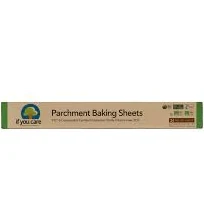
- unbleached paper with silicone coating
- The brand calls it PFAS-free, which we have not verified
- Silicone coating degradation at high heat
- bleached paper with silicone coating
- The brand calls it PFAS-free, which we have not verified
- Paper degradation and fragmentation
More parchment paper & baking liners grades
How we score, every product runs through the same public 0-100 rubric based on materials, coatings, brand disclosure, lab findings, and recalls. See the full methodology → Spotted a mistake? Report an error.