REI Co-op · Camping Tents & Tarps
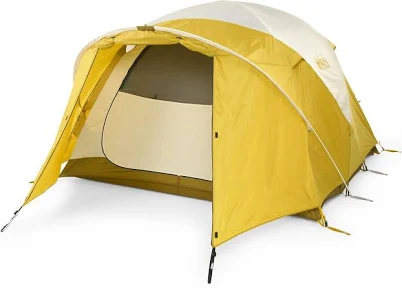
REI Co-op Base Camp 4 Tent
water-repellent coating-coated tent with no PFAS disclosure; coating formula unconfirmed.
REI Co-op does not disclose PFAS content or the chemistry of the Base Camp 4's water-repellent treatment. Modern water-repellent coating coatings often use PFAS alternatives, but REI has not confirmed this tent's formula.
Still want this one anyway? Check the price on Amazon. We’d swap it.
Material
Polyester fabric with water-repellent coating (water-repellent coating) coating
Lab data
No public lab test
You may also be interested in
Top-graded picks in the categories readers replace first, every one scored on the same rubric.

- polypropylene filter housing, carbon/sediment cartridge
- We found no PFAS statement from the brand
- Bacterial growth in spent cartridges
3 hazards checked on this product, all on its full breakdown.

Aquasure
Premier Series 75 GPD Under Sink Reverse Osmosis Water Filtration System
- RO membrane, carbon filters, stainless steel housing
- We found no PFAS statement from the brand
- Bacterial and microbial growth in housing and filters
4 hazards checked on this product, all on its full breakdown.

Avocado
Vegan Mattress
- organic cotton, natural latex, coconut coir, recycled steel coils
- The brand calls it PFAS-free, which we have not verified
- Heavy metals
2 hazards checked on this product, all on its full breakdown.
What REI Co-op Base Camp 4 Tent is made of, ingredients and materials
The Base Camp 4 is constructed from polyester fabric with a water-repellent coating (water-repellent coating) finish applied to the outer layer. Polyester itself is a stable synthetic polymer with low leaching risk under normal camping conditions. The water-repellent coating is the chemical variable, historically these were PFOA/PFOS-based, but modern formulations often use shorter-chain fluorinated or non-fluorinated alternatives, though REI does not disclose the specific water-repellent coating chemistry used on this model. Polyester does not off-gas formaldehyde or volatile organic compounds at room temperature, presenting lower concern than cotton-formaldehyde treated textiles in enclosed spaces.
What’s concerning
Category baseline
The starting point for this type of product, before anything specific to this product is counted.
No PFAS disclosure
No public statement from the brand about PFAS in this product.
Waterproof / stain-resistant treatment
Water-repellent coating treatments have historically used PFAS.
water-repellent coating composition (fluorinated or non-fluorinated unknown)
REI does not disclose whether the Base Camp 4 uses fluorinated, short-chain PFAS, or non-fluorinated water-repellent coating. Modern polyester tents often use alternatives to legacy PFOA/PFOS, but confirmation is absent. Under normal use (no heating or degradation), ingestion risk is negligible; off-gassing is not typical for polyester-based water-repellent coating at room temperature.
Coating degradation and particle shedding
Water-repellent coating coatings on polyester tents degrade over time, especially with abrasion and UV exposure. Users report loss of water repellency after 3-5 years; degraded coating does not produce microplastics or notable chemical release, but efficacy decline is the primary failure mode.
Mold and bacterial growth in stored tent
If stored damp, polyester fabric can support mildew and mold growth, which poses respiratory irritation and allergic reaction risk. This is a use/storage issue, not a manufacturing hazard, and is preventable with dry storage and occasional airing.
What’s reassuring
Azo dyes in polyester fabric
No recalls or documented complaints exist for the Base Camp 4 involving banned azo dyes. REI does not certify textiles to Oeko-Tex or GOTS standards, so independent testing of dye safety is not publicly available. Direct skin contact with tent fabric is minimal in normal use.
Formaldehyde / VOCs
Polyester does not require formaldehyde-based resin finishes (unlike cotton or blends). No evidence suggests the Base Camp 4 uses formaldehyde-releasing treatments; off-gassing risk is negligible.
Source, ATSDR ↗How is this PFAS grade calculated?
The brand's record and disclosure
REI Co-op has not published detailed chemical disclosures for the Base Camp 4's water-repellent coating formulation, which is standard industry practice but limits transparency. The company does run a strong repair and take-back program for tents, reducing pressure to replace tents prematurely and extending product life. REI has faced no major recalls or documented health complaints tied to Base Camp tent toxicity. The brand's cooperative structure and emphasis on durability-over-disposal aligns with reducing chemical exposure through product longevity rather than chemical certifications.
How it compares in its category
The Base Camp 4 sits in the mid-range recreational tent market; polyester with modern water-repellent coating is now the industry standard, used by nearly all major brands (Big Agnes, Nemo, MSR). It avoids older PVC-coated nylon (still used in budget tents), which can off-gas plasticizers. High-end alternatives like LOWA or Hilleberg tents use similar materials and rarely disclose water-repellent coating chemistry either. The absence of disclosure is a category-wide weakness, not a REI-specific liability.
If you buy it
Store the tent dry in a cool, well-ventilated space; polyester degrades faster under UV, so avoid prolonged outdoor storage. Do not apply aftermarket water-repellent coating treatments without checking compatibility, as layered coatings can trap moisture. Inspect seams and fabric annually for tears or coating wear; minor damage can be sealed with compatible repair kits, but widespread degradation indicates replacement need. The tent's lifespan with normal care is 5-10 years; condition, not arbitrary age, determines when to retire it.
What is not known about PFAS in this product?
- Basis
- Model estimate, 45% confidence, not a lab result
- Lab test
- None on record for this exact product
- Brand statement
- REI Co-op has made a specific claim
Formulations change between production runs, so check the current label. How we grade.
More camping tents & tarps grades
How we score, every product runs through the same public 0-100 rubric based on materials, coatings, brand disclosure, lab findings, and recalls. See the full methodology → Spotted a mistake? Report an error.