REI Co-op · Camping Tents & Tarps
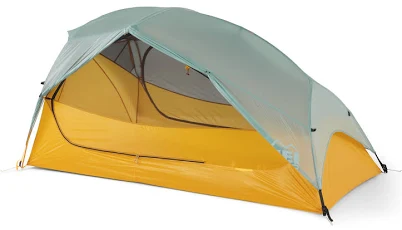
REI Co-op Flash 2 Tent
Likely contains PFAS water-repellent coating; REI provides no coating-type transparency.
Polyester ripstop with water-repellent coating treatment typical of outdoor gear. REI makes no disclosure about PFAS in the coating; traditional water-repellent coating finishes commonly use legacy PFAS compounds.
Still want this one anyway? Check the price on Amazon. We’d swap it.
Material
polyester ripstop with water-repellent coating
Lab data
No public lab test
You may also be interested in
Top-graded picks in the categories readers replace first, every one scored on the same rubric.

- polypropylene filter housing, carbon/sediment cartridge
- We found no PFAS statement from the brand
- Bacterial growth in spent cartridges
3 hazards checked on this product, all on its full breakdown.

Aquasure
Premier Series 75 GPD Under Sink Reverse Osmosis Water Filtration System
- RO membrane, carbon filters, stainless steel housing
- We found no PFAS statement from the brand
- Bacterial and microbial growth in housing and filters
4 hazards checked on this product, all on its full breakdown.

Avocado
Vegan Mattress
- organic cotton, natural latex, coconut coir, recycled steel coils
- The brand calls it PFAS-free, which we have not verified
- Heavy metals
2 hazards checked on this product, all on its full breakdown.
What REI Co-op Flash 2 Tent is made of, ingredients and materials
The Flash 2 uses polyester ripstop fabric, a lightweight woven synthetic that resists tearing and has inherent water resistance. The critical component is the water-repellent coating (water-repellent coating) coating applied to the exterior to enhance water shedding. REI does not publicly disclose whether this coating is legacy PFAS-based (e.g., C8 fluorocarbons) or newer non-fluorinated alternatives; industry convention suggests fluorinated compounds are likely given the performance grade required for a 3-season tent.
What’s concerning
Category baseline
The starting point for this type of product, before anything specific to this product is counted.
No PFAS disclosure
No public statement from the brand about PFAS in this product.
Waterproof / stain-resistant treatment
Water-repellent coating treatments have historically used PFAS.
water-repellent coating degradation and loss of water repellency
Fluorinated and non-fluorinated water-repellent coating coatings degrade with UV exposure, abrasion, and washing over 5-10 years of use. This is normal but not disclosed in product documentation; users should expect performance decline and plan for eventual recoating or replacement.
Polyester fiber shedding (microfibers)
Ripstop polyester can shed microfibers through abrasion during packing, use, and washing, especially if the fabric is damaged or seams fail. Environmental impact of microfiber release during laundering is documented for synthetic textiles generally; REI provides no guidance on minimizing this.
Volatile organic compounds (VOCs) off-gassing
New polyester textiles treated with water-repellent coating coatings may emit trace VOCs during initial use or in warm conditions. Reported incidents are rare and brief exposure is not associated with acute harm; airing the tent before first use reduces any odor.
What’s reassuring
Formaldehyde / VOCs
No documented cases of formaldehyde treatment on REI house-brand tent polyester. Formaldehyde resins are more common in wrinkle-resistant cotton apparel and are unlikely in performance synthetics, but REI does not explicitly confirm absence on this model.
Source, ATSDR ↗Heavy metals
Polyester ripstop is typically dyed with azo or reactive dyes; cadmium and lead in textile dyes are regulated under EU and industry standards but not formally tested for consumer products sold in the US. No recalls or documented contamination for REI tents.
Source, FDA ↗How is this PFAS grade calculated?
The brand's record and disclosure
REI Co-op has not published a detailed PFAS sourcing or elimination policy for textiles and technical apparel, despite growing competitor commitments (e.g., Patagonia's 2019 PFAS phase-out pledge). REI does not list water-repellent coating chemistry on product pages or technical specs. The brand has faced criticism for opacity on manufacturing chemicals in outdoor gear, though no formal recalls or safety violations specific to fluorinated water-repellent coating coatings have been documented for this model.
How it compares in its category
Most mainstream 3-season tents (including those from MSR, Big Agnes, and REI's own house brands) use fluorinated water-repellent coating as standard practice because non-fluorinated alternatives (wax-based, silicone) degrade faster in wet conditions. The Flash 2 is competitively positioned and typical in this respect. Some premium brands now offer PFAS-free water-repellent coating options at higher price points, but these remain niche; REI has not adopted this standard across its line.
If you buy it
Store dry and avoid prolonged wet storage to minimize coating degradation and potential environmental release during disposal. Washing should be gentle and infrequent; machine washing or harsh detergents may strip the water-repellent coating and will not restore it without reapplication. End-of-life disposal, polyester tents are not readily recyclable; check local textile recycling programs rather than landfill. Lower concern for normal camping use; PFAS exposure via handling or brief contact is negligible compared to the material's persistence in the environment if discarded.
What is not known about PFAS in this product?
- Basis
- Model estimate, 45% confidence, not a lab result
- Lab test
- None on record for this exact product
- Brand statement
- REI Co-op has made a specific claim
Formulations change between production runs, so check the current label. How we grade.
More camping tents & tarps grades
How we score, every product runs through the same public 0-100 rubric based on materials, coatings, brand disclosure, lab findings, and recalls. See the full methodology → Spotted a mistake? Report an error.