REI Co-op · Camping Tents & Tarps
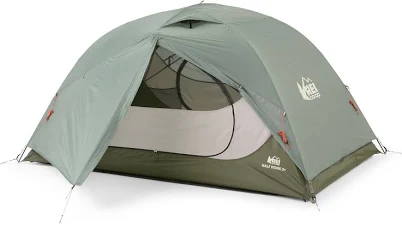
REI Co-op Half Dome 2 Plus Tent
Avoid until REI discloses its water-repellent coating chemistry; tents need waterproofing that historically used PFAS.
Polyester ripstop with a water-repellent coating finish. REI provides no disclosure of water-repellent coating chemistry or PFAS status.
Still want this one anyway? Check the price on Amazon. We’d swap it.
Material
Polyester ripstop with water-repellent coating
Lab data
No public lab test
You may also be interested in
Top-graded picks in the categories readers replace first, every one scored on the same rubric.

- polypropylene filter housing, carbon/sediment cartridge
- We found no PFAS statement from the brand
- Bacterial growth in spent cartridges
3 hazards checked on this product, all on its full breakdown.

Aquasure
Premier Series 75 GPD Under Sink Reverse Osmosis Water Filtration System
- RO membrane, carbon filters, stainless steel housing
- We found no PFAS statement from the brand
- Bacterial and microbial growth in housing and filters
4 hazards checked on this product, all on its full breakdown.

Avocado
Vegan Mattress
- organic cotton, natural latex, coconut coir, recycled steel coils
- The brand calls it PFAS-free, which we have not verified
- Heavy metals
2 hazards checked on this product, all on its full breakdown.
What REI Co-op Half Dome 2 Plus Tent is made of, ingredients and materials
The Half Dome 2 Plus uses polyester ripstop fabric for the outer fly and inner tent body, treated with a water-repellent coating (water-repellent coating) coating to shed rain. Polyester itself is chemically stable under normal use, but the water-repellent coating finish is the critical unknown, REI has not publicly disclosed whether their coating uses PFAS-based chemistries (like perfluorocarbon compounds) or newer PFAS-free alternatives. The fabric also includes UV-protective treatment, which is standard in the industry and carries minimal documented risk during normal camping use.
What’s concerning
Category baseline
The starting point for this type of product, before anything specific to this product is counted.
No PFAS disclosure
No public statement from the brand about PFAS in this product.
Waterproof / stain-resistant treatment
Water-repellent coating treatments have historically used PFAS.
Polyester microfiber shedding
Ripstop polyester can shed microfibers, especially if abraded or aged. Risk is primarily environmental (waterway contamination) rather than direct health, but relevant if you camp in sensitive ecosystems or wash the tent frequently.
water-repellent coating degradation and reapplication chemical exposure
Over time, the original water-repellent coating wears and users must reapply commercial treatments. Some aftermarket water-repellent coating sprays contain volatile organic compounds (VOCs) and the chemistry of these products varies; exposure during application is brief but should occur outdoors and with ventilation.
Mold and mildew if stored wet
What’s reassuring
Heavy metals
Polyester fabric dyes have been subject to environmental and occupational regulations for heavy metals (e.g., azo dye precursors, cadmium, lead in pigments) for decades. No specific recalls or reports link REI Co-op tents to heavy metal contamination, and this hazard is largely managed upstream in textile manufacturing in most developed supply chains.
Source, FDA ↗Formaldehyde / VOCs
Some tent fabrics use formaldehyde-based resins for wrinkle resistance or stiffness. REI does not disclose use of such agents, and no public testing or complaints on record suggest formaldehyde presence in the Half Dome 2 Plus, but standards vary by supplier.
Source, ATSDR ↗How is this PFAS grade calculated?
The brand's record and disclosure
REI Co-op has not publicly committed to PFAS-free tent production or disclosed the chemistry of water-repellent coating treatments across its product line, despite growing industry scrutiny. The company has made sustainability statements about other product categories but remains silent on PFAS "forever chemicals" in waterproofing. This opacity is notable given that major competitors (including some boutique brands) have begun switching to PFAS-free water-repellent coating or publishing third-party certifications. REI's lack of transparency here differs from its relatively strong stance on other environmental issues, making it a weak point in their otherwise mainstream-positive corporate record.
How it compares in its category
The Half Dome 2 Plus is a mid-range recreational backpacking tent at a mid-range price; its material and construction are industry-standard. Most tents in this category (three-season, two-person) use polyester with water-repellent coating coatings, and the PFAS question applies broadly, not uniquely to REI. Some premium brands (e.g.Some manufacturers (including Big Agnes, Nemo) have begun experimenting with water-repellent coating or ceramic coatings not linked to PFAS, but these remain less common and more expensive. REI's product sits in the middle, good durability-to-cost ratio, but no differentiation on chemical transparency.
If you buy it
Store the tent dry and well-ventilated when not in use to prevent mold and mildew, which can degrade the polyester and coating faster than normal wear. Do not machine wash or dry-clean; hand wash with mild soap and air dry only, as heat and harsh detergents will strip the water-repellent coating prematurely. Reapply commercial water-repellent coating treatment every 1-2 years of moderate use (or after 50+ days in field), which is typical for any ripstop tent. If water begins beading inconsistently on the fly or pooling in seams, it signals water-repellent coating failure and is your cue to retreat or replace.
What is not known about PFAS in this product?
- Basis
- Model estimate, 40% confidence, not a lab result
- Lab test
- None on record for this exact product
- Brand statement
- REI Co-op has made a specific claim
Formulations change between production runs, so check the current label. How we grade.
More camping tents & tarps grades
How we score, every product runs through the same public 0-100 rubric based on materials, coatings, brand disclosure, lab findings, and recalls. See the full methodology → Spotted a mistake? Report an error.