REI Co-op · Camping Tents & Tarps
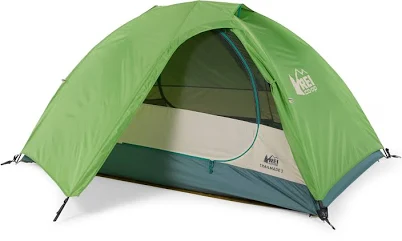
REI Co-op Trailmade 2 Tent with Footprint Green
Tents typically use water-repellent coating coatings; REI does not disclose chemistry, raising concern.
Polyester ripstop with a water-repellent coating finish typical of three-season tents. REI does not disclose whether their water-repellent coating treatment uses PFAS-based or PFAS-free chemistry.
Still want this one anyway? Check the price on Amazon. We’d swap it.
Material
Polyester ripstop fabric with water-repellent coating (type unspecified)
Lab data
No public lab test
You may also be interested in
Top-graded picks in the categories readers replace first, every one scored on the same rubric.

- polypropylene filter housing, carbon/sediment cartridge
- We found no PFAS statement from the brand
- Bacterial growth in spent cartridges
3 hazards checked on this product, all on its full breakdown.

Aquasure
Premier Series 75 GPD Under Sink Reverse Osmosis Water Filtration System
- RO membrane, carbon filters, stainless steel housing
- We found no PFAS statement from the brand
- Bacterial and microbial growth in housing and filters
4 hazards checked on this product, all on its full breakdown.

Avocado
Vegan Mattress
- organic cotton, natural latex, coconut coir, recycled steel coils
- The brand calls it PFAS-free, which we have not verified
- Heavy metals
2 hazards checked on this product, all on its full breakdown.
What REI Co-op Trailmade 2 Tent Footprint Green is made of, ingredients and materials
The Trailmade 2 uses polyester ripstop fabric, a durable synthetic that resists mildew and UV degradation better than nylon in extended outdoor storage. The water-repellent coating (water-repellent coating) coating is applied to the fabric exterior to shed rain; REI does not publicly specify whether this uses PFAS-based chemistry (legacy fluorocarbon) or newer non-fluorinated alternatives. Polyester itself does not off-gas volatile compounds in normal use, but the finish chemistry remains a transparency gap. The tent floor and seams use sealing tape, likely polyurethane-based, which is standard practice and poses no identified hazard.
What’s concerning
Category baseline
The starting point for this type of product, before anything specific to this product is counted.
No PFAS disclosure
No public statement from the brand about PFAS in this product.
Waterproof / stain-resistant treatment
Water-repellent coating treatments have historically used PFAS.
PFAS
REI does not disclose whether the Trailmade 2 uses fluorocarbon-based or non-fluorinated water-repellent coating. Fluorocarbon coatings, still common in mass-market tents, may contain legacy PFAS; skin contact and inhalation near freshly treated fabric are potential exposure routes, though risk is low under normal use.
Source, ATSDR ↗Mildew and microbial growth from improper storage
If stored wet or in compressed bags, the tent's fabric and seals can harbor mold and mildew colonies, which may trigger respiratory irritation in sensitive users. This is a use and maintenance issue, not an inherent product hazard.
What’s reassuring
Seam-tape degradation and microplastic shed
Polyurethane seam tape can crack or separate after years of UV and thermal cycling, potentially shedding microparticles. This is a known material failure mode in all ripstop tents, but no documented health incident has been attributed to tent tape breakdown.
Formaldehyde / VOCs
Polyester ripstop is not typically treated with formaldehyde resins because polyester does not require wrinkle-resistance finishes. No published data suggests the Trailmade 2 contains formaldehyde-releasing treatments.
Source, ATSDR ↗Heavy metals
Polyester ripstop fabric for outdoor tents is routinely dyed with modern synthetic dyes; REI's supplier standards do not appear to exclude heavy metals in dyes, but contamination is not documented in standard tent products and skin-contact exposure is minimal.
Source, FDA ↗How is this PFAS grade calculated?
The brand's record and disclosure
REI Co-op has not published a formal PFAS policy or chemical transparency commitment for its Co-op branded gear, despite carrying certified low-PFAS alternatives from third-party manufacturers. REI does not provide water-repellent coating composition for the Trailmade line on product labels or safety documentation. The brand has faced no recalls or documented safety incidents tied to this tent model, and it meets basic flammability standards, but lack of vendor disclosure is notable in an industry where competitors (e.g., Patagonia, Big Agnes) have begun volunteering water-repellent coating certifications.
How it compares in its category
Mass-market tents from REI, Coleman, and equivalent brands typically use fluorocarbon-based water-repellent coating coatings, which are more durable than non-fluorinated alternatives but present PFAS exposure uncertainty. Premium brands like Patagonia and Big Agnes increasingly specify PFAS-free water-repellent coating or publish third-party test results. The Trailmade 2 sits in the middle tier, solid construction and low cost, but without transparency that allows informed choice on chemical inputs. Tent hazard profiles are generally low because polyester fabric itself is inert and exposure routes are limited to contact with skin and inhalation near seams.
If you buy it
Store the tent dry and uncompressed in a breathable bag to prevent mildew growth, which can degrade fabric and seams over years of damp storage. Do not machine wash or use harsh detergents; gently hand rinse with cool water if needed, as abrasion can wear the water-repellent coating finish and seam tape. Inspect seams and the fabric floor annually for tears or delamination; small holes can be patched with repair tape, but extensive damage signals replacement time. The tent's usable life is typically 10-15 years with standard backyard and trail use; accelerated deterioration under intense UV (desert) or salt-water (coastal) conditions may shorten this.
What is not known about PFAS in this product?
- Basis
- Model estimate, 45% confidence, not a lab result
- Lab test
- None on record for this exact product
- Brand statement
- REI Co-op has made a specific claim
Formulations change between production runs, so check the current label. How we grade.
More camping tents & tarps grades
How we score, every product runs through the same public 0-100 rubric based on materials, coatings, brand disclosure, lab findings, and recalls. See the full methodology → Spotted a mistake? Report an error.