
Reiss Women's Nadine Halterneck Pleat-Detail Swimsuit
Skip until Reiss discloses water-repellent coating chemistry or guarantees PFAS-free.
Halterneck swimsuit is almost certainly treated with water-repellent coating finish, standard for swimwear. Reiss provides no disclosure of chemistry or alternatives.
The better-graded swap
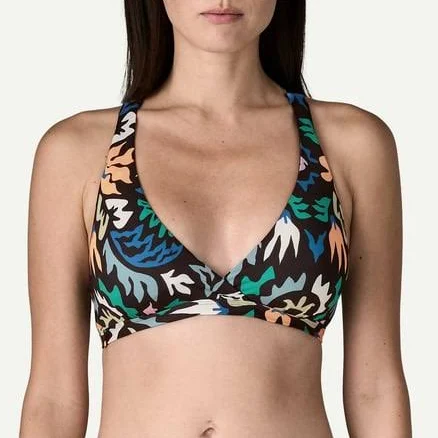
Patagonia
Patagonia Women's Bottom Turn Racerback Bikini Top
90/100 safety
Same rubric that flunked this product. The swap earned Excellent.
Still want this one anyway? Check the price on Amazon. We’d swap it.
Material
Nylon/polyester blend with likely water-repellent coating finish
Brand disclosure
Brand is silent on PFAS
Lab data
No public lab test
What Reiss Women's Nadine Halterneck is made of, ingredients and materials
This swimsuit is a nylon-polyester blend, a standard performance swimwear construction chosen for stretch, chlorine resistance, and quick-dry properties. The water-repellent coating (water-repellent coating) finish applied to improve water beading is the primary concern, Reiss does not publicly disclose its chemistry, and industry convention strongly suggests PFAS-based formulations (per PFAS grade 20/100). Beyond water-repellent coating, nylon and polyester fabrics are dyed and finished with chemicals including azo dyes and synthetic resins; these are within typical regulatory bounds but persist in the garment near skin.
What’s concerning
Category baseline
The starting point for this type of product, before anything specific to this product is counted.
No PFAS disclosure
No public statement from the brand about PFAS in this product.
Waterproof / stain-resistant treatment
Water-repellent coating treatments have historically used PFAS.
Azo dyes and synthetic colorants in nylon/polyester
Nylon and polyester swimwear are typically dyed with synthetic azo dyes and acid dyes. While Reiss does not disclose dye chemistry, these dyes are regulated in the EU and US but can cause contact dermatitis in individuals with sensitive skin, especially when combined with chlorine exposure.
Microplastic shedding from degraded synthetic fibers
Nylon and polyester swimwear shed microfibers during use and washing, particularly as the fabric ages and loses elasticity. This swimsuit will shed at higher rates as it approaches end-of-life (2-3 years); shedding is mechanical, not chemical, but represents environmental and ingestion risk over the product lifecycle.
Formaldehyde / VOCs
Polyester and nylon swimwear are often treated with cross-linking resins to improve shape retention and wrinkle resistance. These formulations may contain formaldehyde donors (releasers). Reiss does not disclose finish chemistry; standard rinsing before wear reduces residual levels but does not eliminate contact.
Source, ATSDR ↗Degradation of elastane/spandex under chlorine and UV
Swimwear elastane (Lycra) is chemically unstable in chlorinated water and under UV exposure, leading to loss of elasticity and fiber breakdown within 1-2 years with regular pool use. As elastane degrades, microplastics and leachable degradation products increase; this is inherent to the material class, not brand-specific.
Contact allergens from synthetic dyes and finishes
Individuals with eczema, sensitive skin, or fragrance/dye sensitivities may experience localized irritation from residual dye, finish resins, or the combination of synthetic materials and chlorine. Reiss provides no allergen labeling or skin-safety certifications (such as Oeko-Tex Standard 100).
The full breakdown
The brand's record and disclosure
Reiss is a UK luxury fashion brand with no published PFAS policy, supply-chain transparency statements, or third-party certifications (such as Oeko-Tex or bluesign) for swimwear lines. The brand maintains silence on water-repellent coating chemistry across its product range. There are no formal recalls or public health controversies associated with Reiss swimwear on record, but the absence of disclosure is itself a governance gap rather than evidence of safety.
How it compares in its category
Most mainstream swimwear brands (Speedo, Arena, TYR) operate under similar assumptions, nylon/polyester with undisclosed water-repellent coating. Premium and eco-conscious alternatives (Patagonia, Ecoé) explicitly commit to not using fluorinated water-repellent systems or use non-fluorinated water-repellent systems. Reiss occupies the middle market without differentiation on chemical safety. For a garment worn directly against skin and in chlorinated or salt environments, the lack of disclosure is a relative weakness.
If you buy it
Rinse thoroughly in fresh water immediately after each use to minimize residual chlorine and salt, which can degrade fibers and dyes over time. Avoid high-heat drying; air-dry flat to preserve elasticity and the water-repellent coating finish. Hand-wash in cool water with mild detergent; machine washing accelerates fiber breakdown. Replace every 2-3 years or when elasticity noticeably declines, as synthetic fibers shed microplastics when degraded. Do not assume the water-repellent coating will persist indefinitely; after 50-100 washes, water-repellency fades and re-treatment is needed.
What we don’t know
- Basis
- Model estimate, 45% confidence, not a lab result
- Lab test
- None on record for this exact product
- Brand statement
- Reiss has made none
Formulations change between production runs, so check the current label. How we grade.
Better-graded alternatives in Swimwear
Patagonia
Women's Bottom Turn Racerback Bikini Top
- Nylon/polyester blend with elastane (standard swimwear)
- The brand calls it PFAS-free, which we have not verified
- Elastane (spandex) degradation under heat or chlorine
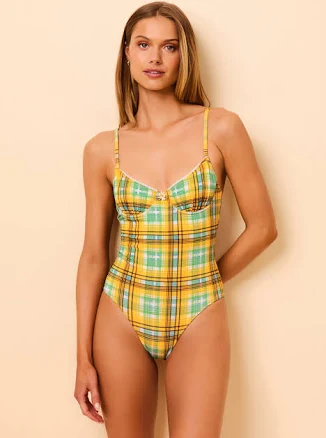
Solid & Striped
Taylor One Piece Seersucker Plaid
- Cotton/cotton-blend seersucker plaid
- We found no PFAS statement from the brand
- Azo dyes and colorfast stability
2 hazards checked on this product. See all of them.
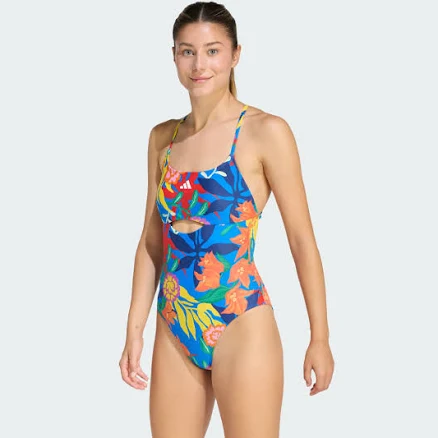
Adidas
Women's Mexicana Florals Tie-Back Swimsuit
- Polyester/nylon swimsuit fabric, likely uncoated or standard finish
- Azo dyes and synthetic colorants
4 hazards checked on this product. See all of them.
More swimwear grades
How we score, every product runs through the same public 0-100 rubric based on materials, coatings, brand disclosure, lab findings, and recalls. See the full methodology → Spotted a mistake? Report an error.