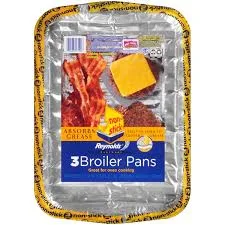
Reynolds 11-1/4 in. x 8 in. x 1 in. Broiler Pans
Unknown coating; Reynolds silent on PFAS. Skip if concerned.
Reynolds broiler pans use a nonstick coating but provide no public disclosure about PFAS or coating composition. Coating type remains unspecified by the brand.
The better-graded swap

Caraway
Caraway Nonstick Ceramic Large Baking Sheet
90/100 safety
Same rubric that flunked this product. The swap earned Excellent.
Still want this one anyway? Check the price on Amazon. We’d swap it.
Material
Steel with unspecified nonstick coating
Lab data
No public lab test
Are Reynolds 11-1/4 in. x 8 in. x 1 in. non-toxic? What it is made of
Reynolds broiler pans are steel (carbon steel or mild steel substrate) with an unspecified nonstick coating applied to the interior cooking surface. The coating chemistry is not disclosed by Reynolds, making it impossible to confirm whether it contains Teflon-type coating (Teflon) or ceramic/silicone alternatives. Steel itself is inert, but the nonstick layer's thermal stability, durability, and identity determine the actual safety profile of the cookware during use.
What’s concerning
Category baseline
The starting point for this type of product, before anything specific to this product is counted.
No PFAS disclosure
No public statement from the brand about PFAS in this product.
Non-stick, chemistry undisclosed
Marketed as non-stick without stating the coating chemistry.
Teflon-type coating thermal fume risk (if coating contains Teflon-type coating)
No labeling confirms or rules out Teflon-type coating; if present, overheating above 500°F can release toxic perfluorooctanoic acid (PFOA) precursors and other Teflon-family coating breakdown products. Reynolds' silence on coating identity means users cannot assess or mitigate this risk.
Coating degradation and microflaking
Broiler pans experience repeated high heat and mechanical stress; nonstick coatings on budget steel pans typically fail within 1-3 years of regular use. Flaked coating particles in food are a concern, though clinical data on ingested nonstick fragments is limited.
Unidentified coating leachables
Without disclosure of the nonstick chemistry (whether Teflon-type coating, silicone, ceramic, or proprietary blend), potential leaching of monomers or additives into food cannot be ruled out, especially at elevated temperatures or with acidic foods.
What’s reassuring
Steel substrate rust or corrosion
Steel broiler pans are typically corrosion-resistant if coating is intact; once coating fails, bare steel may rust if exposed to moisture. Rust itself poses minimal acute hazard but compromises food contact safety.
Lead
No recalls or testing data publicly available indicating lead or cadmium contamination in Reynolds broiler pans. Modern US-manufactured steel cookware is unlikely to contain these metals, though no third-party verification is on record.
Source, ATSDR ↗The full breakdown
The brand's record and disclosure
Reynolds (part of Alcoa Corporation) does not publicly disclose coating composition, PFAS content, or temperature safety limits for this product on available product labels or websites. The company has not published third-party testing results or formal commitments to phase out Teflon-type coating or PFAS-containing coatings. This silence is consistent across their cookware line and reflects an industry pattern of minimal transparency on nonstick chemistry.
How it compares in its category
Steel broiler pans with mystery coatings are common in budget cookware; this product is typical of disposable-use or occasional-use items rather than premium cookware. Alternatives with lower concern include bare steel pans (no hazard of this kind on record, but requires seasoning), ceramic-coated steel pans (from brands that disclose coating type), or glass-lined options. The trade-off here is convenience of nonstick against unknown chemical exposure and potential coating breakdown.
If you buy it
Keep oven temperature below 500°F, as most nonstick coatings may degrade above that threshold; Reynolds does not specify a maximum recommended temperature. Inspect the coating before each use for chips, peeling, or wear, and discard if damage is visible. Hand-wash only, as dishwashers accelerate coating deterioration. Do not use metal utensils or abrasive scrubbers on the cooking surface.
What we don’t know
- Basis
- Model estimate, 40% confidence, not a lab result
- Lab test
- None on record for this exact product
- Brand statement
- Reynolds has made a specific claim
Formulations change between production runs, so check the current label. How we grade.
Better-graded alternatives in Bakeware
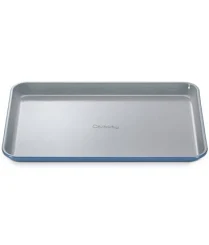
Caraway
Nonstick Ceramic Medium Baking Sheet
- ceramic nonstick coating
- A third party reports verifying it as PFAS-free
- Ceramic coating degradation over time
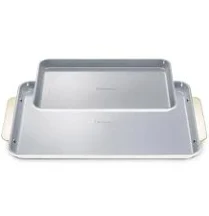
Caraway
Ceramic Nonstick Baking Sheet Duo
- ceramic nonstick coating
- A third party reports verifying it as PFAS-free
- Coating degradation and durability
2 hazards checked on this product. See all of them.
Caraway
Nonstick Ceramic Large Baking Sheet
- ceramic nonstick coating
- The brand calls it PFAS-free, which we have not verified
- Ceramic coating degradation and particle shedding
3 hazards checked on this product. See all of them.
More bakeware grades
How we score, every product runs through the same public 0-100 rubric based on materials, coatings, brand disclosure, lab findings, and recalls. See the full methodology → Spotted a mistake? Report an error.