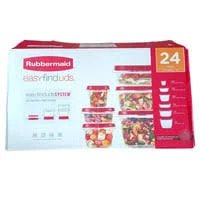
24 pc Rubbermaid Easy Find Lid Containers & 8 pc Stainless Container Set
Lower concern; bare stainless and standard polypropylene unlikely PFAS sources
This product combines polypropylene plastic food containers and stainless steel, both inherently lower PFAS risk materials. Rubbermaid makes no PFAS disclosures, but the bare material choices suggest limited fluorochemical need.
We flunk more products than we pass. This one earned its grade. How we grade
Material
Polypropylene plastic containers and stainless steel
Brand disclosure
Brand is silent on PFAS
Lab data
No public lab test
You may also be interested in
Top-graded picks in the categories readers replace first, every one scored on the same rubric.

- polypropylene filter housing, carbon/sediment cartridge
- We found no PFAS statement from the brand
- Bacterial growth in spent cartridges
3 hazards checked on this product, all on its full breakdown.

Aquasure
Premier Series 75 GPD Under Sink Reverse Osmosis Water Filtration System
- RO membrane, carbon filters, stainless steel housing
- We found no PFAS statement from the brand
- Bacterial and microbial growth in housing and filters
4 hazards checked on this product, all on its full breakdown.

Avocado
Vegan Mattress
- organic cotton, natural latex, coconut coir, recycled steel coils
- The brand calls it PFAS-free, which we have not verified
- Heavy metals
2 hazards checked on this product, all on its full breakdown.
What 24 pc Rubbermaid Easy Find Container Set is made of, ingredients and materials
The 24-piece set uses polypropylene (PP) plastic for containers and lids, a thermoplastic polymer rated for food contact by FDA and approved for temperatures up to approximately 100-120°C (212-250°F) depending on formulation. The 8-piece stainless steel set uses food-grade stainless steel (typically 300-series alloys), which is chemically inert and does not leach metals under normal food storage or washing. Polypropylene has lower concern for BPA, BPS, and phthalates compared to some other plastics, as these chemicals are not typical additives in its base formulation.
What’s concerning
Category baseline
The starting point for this type of product, before anything specific to this product is counted.
No PFAS disclosure
No public statement from the brand about PFAS in this product.
Microplastics
Repeated heating, freezing cycles, and mechanical wear can cause microscopic PP degradation over years of use. Risk increases if containers are old, stained, or visibly cracked; replacing degraded containers mitigates this.
Source, EPA ↗Monomer leaching from polypropylene
Polypropylene contains trace unreacted monomers (propylene oligomers). Leaching is minimal at room temperature but increases with prolonged exposure to high heat (above 100°C) or fatty/acidic foods. Normal use and avoiding microwave abuse keeps this well below regulatory thresholds.
Lid gasket degradation and bacterial growth
Rubber or silicone seals on lids can degrade or harbor bacteria if not cleaned thoroughly after each use, particularly in the seal groove. This is a hygiene issue rather than chemical toxicity; proper cleaning and annual replacement of worn gaskets prevent this.
What’s reassuring
Bare uncoated material
Recorded as a bare, uncoated material with no surface coating or treatment.
BPA & bisphenols
Polypropylene in food-contact applications does not contain BPA, BPS, or phthalates by standard formulation. No recalls or contamination reports exist for this product line.
Source, FDA ↗Metal leaching from stainless steel
Food-grade stainless steel (300-series) is stable and does not leach nickel, chromium, or iron at detectable levels under normal food storage. No recalls or reports specific to Rubbermaid stainless containers exist.
How is this PFAS grade calculated?
The brand's record and disclosure
Rubbermaid is owned by Newell Brands and maintains FDA compliance for food-contact plastics. The company does not publicly disclose detailed material certifications or third-party testing results for this specific product line, but has no documented recalls related to leaching or chemical contamination of these containers. Rubbermaid containers are widely used in institutional food service and household settings with no established pattern of adverse health reports linked to the base materials.
How it compares in its category
Polypropylene food containers are mid-range in terms of transparency and durability compared to glass alternatives, which are inert but heavier and breakable. They have lower concern for BPA than older polycarbonate (PC) containers that may contain BPA, and comparable concern to other major brands like Pyrex's plastic lines and OXO. Stainless steel is preferred over nonstick-coated alternatives because it avoids any risk of coating degradation or fume release.
If you buy it
Do not microwave polypropylene containers at power settings above medium or for extended periods, as sustained heat above 100°C can cause warping and potential monomer leaching, though this is not a safety crisis at normal microwave times. Hand wash lids and inspect for cracks or cloudiness yearly, as micro-damage can harbor bacteria or create stress points for chemical release. Stainless steel containers require no special care. Replace any warped or discolored plastic containers rather than attempting to restore them.
What is not known about PFAS in this product?
- Basis
- Model estimate, 72% confidence, not a lab result
- Lab test
- None on record for this exact product
- Brand statement
- Rubbermaid has made none
Formulations change between production runs, so check the current label. How we grade.
What are the PFAS-free alternatives to 24 pc Rubbermaid Easy Find Lid Containers & 8 pc Stainless Container Set?
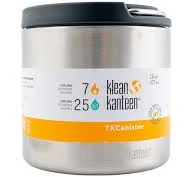
Klean Kanteen
Double Wall Vacuum Insulated Stainless Steel Food Canister Container with Leak Proof Lid
- Stainless steel body, silicone gasket lid seal
- The brand calls it PFAS-free, which we have not verified
- Silicone gasket degradation
3 hazards checked on this product, all on its full breakdown.
More lunch boxes grades
How we score, every product runs through the same public 0-100 rubric based on materials, coatings, brand disclosure, lab findings, and recalls. See the full methodology → Spotted a mistake? Report an error.