Rubbermaid · Parchment Paper & Baking Liners
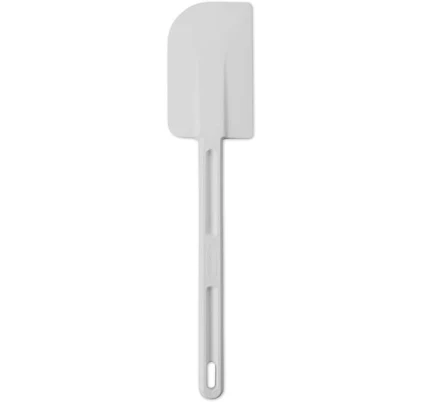
Kitchen Supply Wholesale Rubbermaid Spoon Spatula
Silicone with no coating described, and no PFAS statement from the brand.
The product information we reviewed describes silicone or plastic, with no applied coating named. Silicone releases food on its own, so a non-stick claim on a silicone product describes the material rather than a coating. The brand has published no PFAS statement for it.
We flunk more products than we pass. This one earned its grade. How we grade
Material
Silicone or plastic
Brand disclosure
Brand is silent on PFAS
Lab data
No public lab test
You may also be interested in
Top-graded picks in the categories readers replace first, every one scored on the same rubric.

- polypropylene filter housing, carbon/sediment cartridge
- We found no PFAS statement from the brand
- Bacterial growth in spent cartridges
3 hazards checked on this product, all on its full breakdown.

Aquasure
Premier Series 75 GPD Under Sink Reverse Osmosis Water Filtration System
- RO membrane, carbon filters, stainless steel housing
- We found no PFAS statement from the brand
- Bacterial and microbial growth in housing and filters
4 hazards checked on this product, all on its full breakdown.

Avocado
Vegan Mattress
- organic cotton, natural latex, coconut coir, recycled steel coils
- The brand calls it PFAS-free, which we have not verified
- Heavy metals
2 hazards checked on this product, all on its full breakdown.
What Kitchen Supply Wholesale Spoon Spatula is made of, ingredients and materials
This is a silicone-based kitchen utensil (spoon/spatula), not a baking liner product despite the category label. Silicone is a synthetic rubber polymer that does not contain BPA, phthalates, or traditional plastic degradation hazards when used within its temperature limits. Food-grade silicone is chemically inert at normal cooking temperatures (up to roughly 400-450F depending on grade) and does not leach into food under normal conditions. The material is durable and resists staining better than wood or plastic alternatives.
What’s concerning
No PFAS disclosure
No public statement from the brand about PFAS in this product.
Category baseline
The starting point for this type of product, before anything specific to this product is counted.
Silicone degradation at high heat
Extended use above manufacturer temperature specifications (typically 400-450F) or direct flame contact can cause silicone to degrade, releasing volatile compounds. This is not a contamination risk at normal cookware temperatures but becomes a concern if utensil is misused.
Bacterial or mold growth in crevices
Any utensil with seams, handles, or textured surfaces can harbor bacteria if not thoroughly dried after washing. Silicone does not absorb water but moisture can trap in joined areas; regular drying and inspection reduce this risk.
What’s reassuring
Base material not linked to PFAS
The main material recorded for this product is not one associated with PFAS.
Colorants and pigments in silicone
No documented cases of heavy-metal contamination (lead, cadmium) in food-grade silicone utensils from Rubbermaid or similar manufacturers. Food-grade silicone used in utensils is subject to FDA regulations for colorants, though Rubbermaid does not publish pigment sourcing data.
Off-gassing or odor transfer
New silicone utensils may have a faint rubbery smell that dissipates with use and washing. No public reports of harmful volatile organic compound release from Rubbermaid silicone utensils at normal temperatures.
Coating integrity (if any)
The product description indicates silicone with no additional coating applied; therefore coating degradation hazards are not applicable. Pure silicone utensils do not rely on surface treatments and pose no delamination risk.
How is this PFAS grade calculated?
The brand's record and disclosure
Rubbermaid is a major consumer products manufacturer owned by Newell Brands and has no public history of PFAS statements or transparency initiatives on kitchen utensils. The brand has faced no major recalls specifically tied to silicone utensils leaching contaminants, and no formal certifications (e.g., FDA food-contact approval labeling) have been flagged as missing from typical product lines. However, Rubbermaid does not proactively disclose material sourcing or third-party test results for this category.
How it compares in its category
Silicone utensils occupy a middle ground between wood (no chemical risk but higher bacterial harborage) and plastic utensils (BPA/phthalate risk if not food-grade). Most major brands (Oxo, Rubbermaid, Calphalon) use food-grade silicone for heat-resistant utensils, making this product representative of the standard market offering. Silicone utensils generally outperform plastic counterparts in heat tolerance and chemical stability, though they cost more than wood.
If you buy it
Hand-wash or use the top rack of a dishwasher; prolonged high-heat dishwasher cycles can degrade silicone over time. Do not expose to direct flame or use above 450F; darkening or odor signals degradation and replacement is warranted. Store away from direct sunlight to slow oxidative aging. Inspect the utensil regularly for tears, discoloration, or sticky residue, which indicate the material is breaking down; discard if observed.
What is not known about PFAS in this product?
- Basis
- Model estimate, 35% confidence, not a lab result
- Lab test
- None on record for this exact product
- Brand statement
- Rubbermaid has made none
Formulations change between production runs, so check the current label. How we grade.
What are the PFAS-free alternatives to Kitchen Supply Wholesale Rubbermaid Spoon Spatula?
- silicone-coated parchment paper
- The brand calls it PFAS-free, which we have not verified
- Paper degradation and particulate shedding
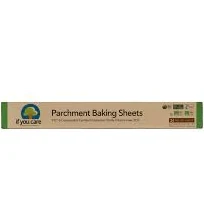
- unbleached paper with silicone coating
- The brand calls it PFAS-free, which we have not verified
- Silicone coating degradation at high heat
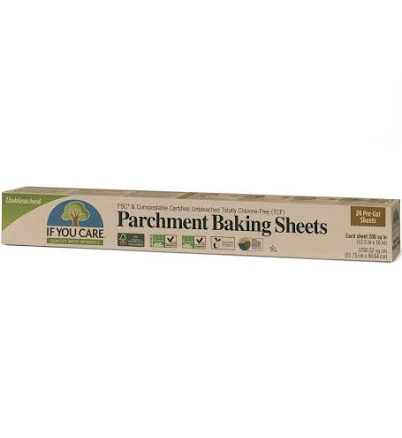
- bleached paper with silicone coating
- The brand calls it PFAS-free, which we have not verified
- Paper degradation and fragmentation
More parchment paper & baking liners grades
How we score, every product runs through the same public 0-100 rubric based on materials, coatings, brand disclosure, lab findings, and recalls. See the full methodology → Spotted a mistake? Report an error.