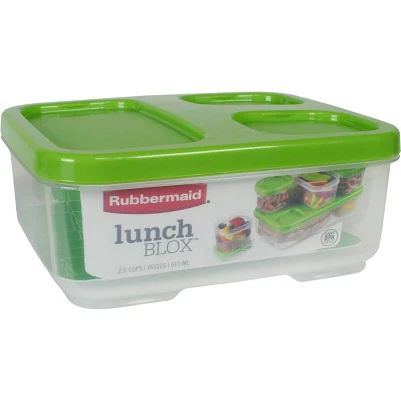
Rubbermaid LunchBlox · Lunch Boxes
Rubbermaid Lunch Blox Entree
Low PFAS concern. Polypropylene food container unlikely to contain PFAS.
Rubbermaid LunchBlox Entree is a rigid polypropylene food storage container with no known applied coatings or water-repellent finishes. Polypropylene is a lower-concern material for PFAS, though brand makes no explicit PFAS claim.
We flunk more products than we pass. This one earned its grade. How we grade
Material
polypropylene plastic container and lid
Brand disclosure
Brand is silent on PFAS
Lab data
No public lab test
What Rubbermaid Lunch Blox Entree is made of, ingredients and materials
The Rubbermaid LunchBlox Entree is polypropylene (PP), a thermoplastic with no inherent BPA or phthalates in the base resin. Polypropylene is one of the more chemically stable plastics for food contact and does not readily leach monomers or additives at room temperature or typical microwave use. The container and lid have no reported ceramic, enamel, or decorative glazes that would introduce lead or cadmium risk. Colorants and processing aids present in the plastic are the only additives of concern, but no recalls or safety issues specific to this product line are on record.
What’s concerning
Category baseline
The starting point for this type of product, before anything specific to this product is counted.
No PFAS disclosure
No public statement from the brand about PFAS in this product.
Microplastics
Prolonged microwave or exposure to hot liquids (above 70°C) may cause surface degradation and particle shedding over time, though risk is low at typical lunch-storage temperatures (room to warm, not boiling).
Source, EPA ↗What’s reassuring
Base material not linked to PFAS
The main material recorded for this product is not one associated with PFAS.
BPA & bisphenols
Polypropylene formulations used in food containers do not include BPA or BPS. No recalls or contamination reports exist for this product line.
Source, FDA ↗Phthalates
Phthalate plasticizers are not standard in polypropylene; they are more common in PVC and some polyester. No evidence of phthalate use in LunchBlox containers.
Source, ATSDR ↗Colorant or additive leaching
Pigments and processing aids in polypropylene are regulated by FDA for food contact; no specific contamination or toxin release has been reported for Rubbermaid LunchBlox products.
Coating degradation
LunchBlox containers have no applied coatings (ceramic, enamel, or non-stick); the hazard is not applicable to this product design.
The full breakdown
The brand's record and disclosure
Rubbermaid (owned by Newell Brands) does not make explicit PFAS disclaimers for this product; however, polypropylene containers are not a common source of added PFAS. The brand has faced no major recalls or litigation tied to food-container chemistry. Rubbermaid does not publish third-party certification (BPA-free, FDA-compliance statements) prominently on most LunchBlox packaging, which reflects the standard industry assumption that PP is low-risk rather than explicit assurance.
How it compares in its category
Polypropylene food containers are among the lowest-concern plastics for food storage, ranked safer than polycarbonate (which historically contained BPA) and PVC (which carries phthalate risk). Glass or stainless-steel lunch containers have zero leaching risk but are heavier and more expensive. The LunchBlox is priced competitively and offers durability comparable to other rigid PP lunch sets; no inherent material advantage or disadvantage versus generics exists.
If you buy it
Avoid prolonged contact with very hot foods (above 70°C / 160°F) or extended microwave heating, which can degrade PP and increase leaching potential, though risk at normal lunch temperatures is low. Hand-wash or use the top rack of the dishwasher; high heat cycles may accelerate wear. Replace the container if cracks, cloudiness, or visible degradation appear, as damaged plastic is more prone to particle shedding. Store away from direct sunlight to slow UV-induced brittleness and discoloration over years of use.
What we don’t know
- Basis
- Model estimate, 72% confidence, not a lab result
- Lab test
- None on record for this exact product
- Brand statement
- Rubbermaid LunchBlox has made none
Formulations change between production runs, so check the current label. How we grade.
Better-graded alternatives in Lunch Boxes
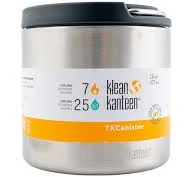
Klean Kanteen
Double Wall Vacuum Insulated Stainless Steel Food Canister Container with Leak Proof Lid
- Stainless steel body, silicone gasket lid seal
- The brand calls it PFAS-free, which we have not verified
- Silicone gasket degradation
3 hazards checked on this product. See all of them.
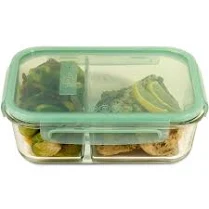
Snapware
Meal Box Glass
- borosilicate glass
- We found no PFAS statement from the brand
- Leaching from glass matrix or lid seals
2 hazards checked on this product. See all of them.
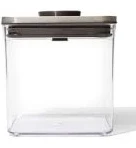
OXO
Steel Pop Big Square Short - 2.8 Qt/2.6 l
- Stainless steel container, no surface treatment
- Lid/gasket polymer leaching
3 hazards checked on this product. See all of them.
More lunch boxes grades
How we score, every product runs through the same public 0-100 rubric based on materials, coatings, brand disclosure, lab findings, and recalls. See the full methodology → Spotted a mistake? Report an error.