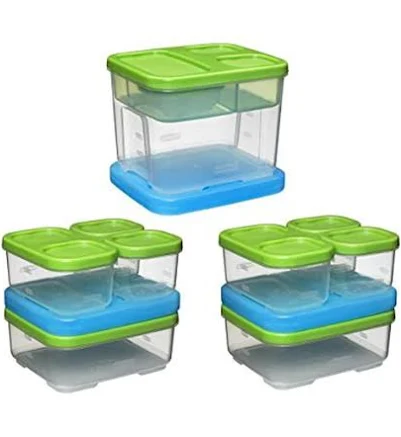
Rubbermaid LunchBlox · Lunch Boxes
Rubbermaid Lunch Blox Set
Lower concern. Food storage containers with no disclosed PFAS risk.
Rubbermaid LunchBlox is rigid plastic food storage without known nonstick or water-repellent coatings. No PFAS claims or third-party verification; standard plastic container risk remains modest.
We flunk more products than we pass. This one earned its grade. How we grade
Material
plastic (polypropylene/tritan) containers, silicone seals
Brand disclosure
Brand is silent on PFAS
Lab data
No public lab test
What Rubbermaid Lunch Blox Set is made of, ingredients and materials
Rubbermaid LunchBlox uses polypropylene (PP) plastic for the main containers and Tritan copolyester for some lid/seal components, plus silicone gaskets. Polypropylene is a relatively stable plastic with no known leaching of BPA or phthalates under normal cold and room-temperature food storage. Tritan is a BPA-free alternative copolyester designed for durability and clarity. Silicone seals do not typically leach into food at the temperatures this product experiences in normal use.
What’s concerning
Category baseline
The starting point for this type of product, before anything specific to this product is counted.
No PFAS disclosure
No public statement from the brand about PFAS in this product.
Microplastics
Repeated microwaving, dishwasher cycles, or physical stress can cause microscopic PP particles to shed. This product's intended use (cold lunch storage, hand-wash) minimizes this risk, but degraded seals or cracked containers should be discarded.
Source, EPA ↗Silicone seal degradation and mold
Silicone gaskets can accumulate bacteria and mold if not dried thoroughly or if seals trap moisture over time. Regular cleaning and air-drying of seals reduces this risk; replace seals if visible discoloration or odor persists.
Polypropylene leaching at high temperatures
Polypropylene can soften and degrade if exposed to sustained heat above 100 degrees Celsius (e.g., repeated hot dishwashing or microwave use). This product is designed for cold storage, but misuse or high heat exposure could trigger low-level leaching of oligomers.
What’s reassuring
Base material not linked to PFAS
The main material recorded for this product is not one associated with PFAS.
BPA & bisphenols
Polypropylene does not contain BPA or phthalates by formulation, and no leaching incidents are on record for LunchBlox products under normal food storage conditions.
Source, FDA ↗Dyes and pigments in colored plastics
No heavy metal contamination or azo dye concerns have been reported for Rubbermaid LunchBlox containers. Standard FDA compliance for food-contact dyes applies.
The full breakdown
The brand's record and disclosure
Rubbermaid, a subsidiary of Newell Brands, has not made public commitments specifically disclosing PFAS absence or phase-out in its food storage lines, though no product-specific PFAS recalls have been issued for LunchBlox. The company holds FDA compliance certifications for food-contact materials. No significant contamination controversies or major safety recalls tied to chemical leaching are on public record for this product line.
How it compares in its category
LunchBlox sits in the mid-market food storage segment alongside brands like Sistema and Pyrex. Unlike glass, polypropylene does not risk thermal shock breakage and is lighter for lunch transport. Compared to stainless steel lunch boxes, it offers better temperature visibility and simpler cleaning but lower insulation. Compared to single-use plastics, reusable polypropylene containers like these reduce waste and carry lower per-use chemical exposure risk.
If you buy it
Keep lids sealed when not in use to prevent odor absorption and mold growth in silicone seals. Do not microwave the containers if labels warn against it; polypropylene softens above 100 degrees Celsius. Hand-wash rather than dishwasher to extend seal life and prevent heat warping over time. Replace containers if seals crack, discolor, or stop sealing reliably, or if the plastic develops permanent cloudiness, which may indicate degradation.
What we don’t know
- Basis
- Model estimate, 72% confidence, not a lab result
- Lab test
- None on record for this exact product
- Brand statement
- Rubbermaid LunchBlox has made none
Formulations change between production runs, so check the current label. How we grade.
Better-graded alternatives in Lunch Boxes
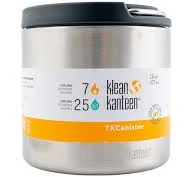
Klean Kanteen
Double Wall Vacuum Insulated Stainless Steel Food Canister Container with Leak Proof Lid
- Stainless steel body, silicone gasket lid seal
- The brand calls it PFAS-free, which we have not verified
- Silicone gasket degradation
3 hazards checked on this product. See all of them.
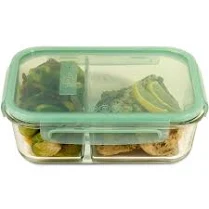
Snapware
Meal Box Glass
- borosilicate glass
- We found no PFAS statement from the brand
- Leaching from glass matrix or lid seals
2 hazards checked on this product. See all of them.
OXO
Steel Pop Big Square Short - 2.8 Qt/2.6 l
- Stainless steel container, no surface treatment
- Lid/gasket polymer leaching
3 hazards checked on this product. See all of them.
More lunch boxes grades
How we score, every product runs through the same public 0-100 rubric based on materials, coatings, brand disclosure, lab findings, and recalls. See the full methodology → Spotted a mistake? Report an error.