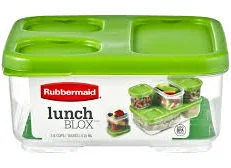
Rubbermaid LunchBlox · Lunch Boxes
Rubbermaid LunchBlox Sandwich Container
Lower concern for PFAS; rigid food containers typically avoid Teflon-family coating.
Rubbermaid LunchBlox uses rigid plastic without reported nonstick or waterproofing coatings. No PFAS disclosure or third-party verification available, but material type suggests lower inherent PFAS risk.
We flunk more products than we pass. This one earned its grade. How we grade
Material
plastic (polypropylene/tritan-type copolyester)
Brand disclosure
Brand is silent on PFAS
Lab data
No public lab test
What Rubbermaid LunchBlox Sandwich Container is made of, ingredients and materials
LunchBlox containers are injection-molded polypropylene (PP) or Tritan-type copolyester, both thermoplastics chosen for rigidity and food contact compliance. Polypropylene does not intentionally contain BPA, BPS, or phthalate plasticizers in standard food-grade formulations, and neither material requires Teflon-family coating coatings for water resistance. These materials are FDA-cleared for food contact, though polypropylene softens and can leach minor oligomers if exposed to prolonged high heat or oily/acidic foods above recommended temperatures.
What’s concerning
Category baseline
The starting point for this type of product, before anything specific to this product is counted.
No PFAS disclosure
No public statement from the brand about PFAS in this product.
Thermal stress and oligomer migration
Polypropylene containers can leach minor amounts of cyclic oligomers when exposed to heat above 140F or prolonged contact with fatty or acidic foods; risk is low in typical cold-lunch use but increases with misuse. No specific testing for LunchBlox is publicly available.
Microplastics
Stress cracks, cloudiness, or persistent high-temperature exposure can accelerate plastic breakdown; visible particles are rare in normal use but degraded containers should be replaced. Lid seals are particularly prone to wear.
Source, EPA ↗Mold or bacterial colonization in seals and crevices
Compartmentalized design with gaskets and hinges creates crevices that retain moisture and food residue; inadequate drying or cleaning allows mold growth. Regular inspection and air-drying of lids and seals is necessary.
What’s reassuring
Base material not linked to PFAS
The main material recorded for this product is not one associated with PFAS.
BPA & bisphenols
Polypropylene and Tritan copolyester do not intentionally contain BPA or BPS in food-grade formulations; no recalls or testing data from Rubbermaid document leaching of these compounds in normal use.
Source, FDA ↗Phthalate plasticizers
Food-contact polypropylene is not formulated with phthalates; they are characteristic of soft PVC and polyvinyl chloride used in flexible films, not rigid lunch containers.
The full breakdown
The brand's record and disclosure
Rubbermaid (Newell Brands) does not publish detailed material safety datasheets or third-party certifications for this product line and maintains silence on chemical intentionality beyond FDA compliance claims. The LunchBlox line has no documented recalls for leaching, contamination, or chemical migration. As a mass-market food container brand, Rubbermaid follows baseline regulatory compliance but does not voluntarily exceed it with independent testing disclosures.
How it compares in its category
Rigid polypropylene lunch containers are standard in the category and represent a middle ground, cheaper and lighter than glass, less prone to chemical migration than soft plastics or older polycarbonate designs, but require temperature discipline that glass does not. Alternatives include glass (heavier, fragile, zero leaching risk) or stainless steel compartment sets (durable, no plastic contact, higher cost). LunchBlox sits in the typical hazard profile for mainstream lunch containers.
If you buy it
Do not fill with hot foods or liquids above 140F (60C), as heat accelerates plastic softening and potential oligomer migration. Hand-wash or use cooler dishwasher cycles; avoid prolonged contact with oils, citric acid, or vinegar-based dressings. Replace the container if visible stress cracks, cloudiness, or odor develop, as these signal degradation. Lids and seals should be checked monthly for warping or looseness that compromises the claimed compartment seal.
What we don’t know
- Basis
- Model estimate, 72% confidence, not a lab result
- Lab test
- None on record for this exact product
- Brand statement
- Rubbermaid LunchBlox has made none
Formulations change between production runs, so check the current label. How we grade.
Better-graded alternatives in Lunch Boxes
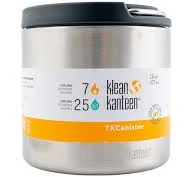
Klean Kanteen
Double Wall Vacuum Insulated Stainless Steel Food Canister Container with Leak Proof Lid
- Stainless steel body, silicone gasket lid seal
- The brand calls it PFAS-free, which we have not verified
- Silicone gasket degradation
3 hazards checked on this product. See all of them.
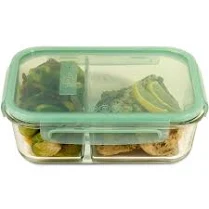
Snapware
Meal Box Glass
- borosilicate glass
- We found no PFAS statement from the brand
- Leaching from glass matrix or lid seals
2 hazards checked on this product. See all of them.
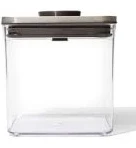
OXO
Steel Pop Big Square Short - 2.8 Qt/2.6 l
- Stainless steel container, no surface treatment
- Lid/gasket polymer leaching
3 hazards checked on this product. See all of them.
More lunch boxes grades
How we score, every product runs through the same public 0-100 rubric based on materials, coatings, brand disclosure, lab findings, and recalls. See the full methodology → Spotted a mistake? Report an error.