Rubbermaid · Parchment Paper & Baking Liners
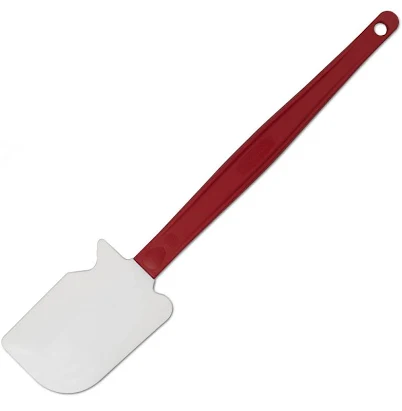
RUBBERMAID FG1963000000 13-1/2"L Silicone Hot Food Spatula
Lower concern. Silicone spatula with no coating on record.
The spatula is silicone with no nonstick coating on record. Silicone is not a material linked to PFAS. Rubbermaid has no PFAS statement on record for this product.
The better-graded swap
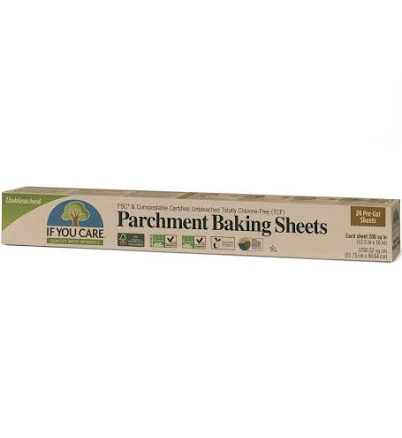
If You Care
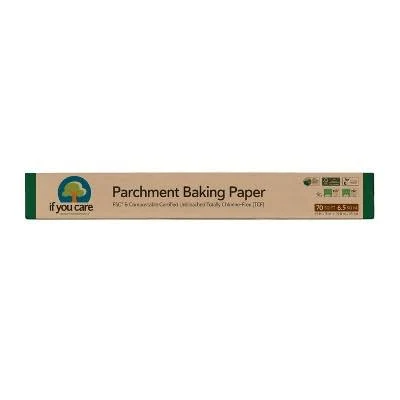
If You Care Parchment Baking Paper
90/100 safety
Same rubric that flunked this product. The swap earned Excellent.
Still want this one anyway? Check the price on Amazon. We’d swap it.
Material
silicone (handle and blade)
Brand disclosure
Brand is silent on PFAS
Lab data
No public lab test
You may also be interested in
Top-graded picks in the categories readers replace first, every one scored on the same rubric.

- polypropylene filter housing, carbon/sediment cartridge
- We found no PFAS statement from the brand
- Bacterial growth in spent cartridges
3 hazards checked on this product, all on its full breakdown.

Aquasure
Premier Series 75 GPD Under Sink Reverse Osmosis Water Filtration System
- RO membrane, carbon filters, stainless steel housing
- We found no PFAS statement from the brand
- Bacterial and microbial growth in housing and filters
4 hazards checked on this product, all on its full breakdown.

Avocado
Vegan Mattress
- organic cotton, natural latex, coconut coir, recycled steel coils
- The brand calls it PFAS-free, which we have not verified
- Heavy metals
2 hazards checked on this product, all on its full breakdown.
What RUBBERMAID FG1963000000 Hot Food Spatula is made of, ingredients and materials
This spatula is constructed from silicone, a synthetic rubber polymer made of silicon and oxygen chains. Silicone is chemically inert at typical cooking temperatures (up to 400-600°F depending on grade) and does not leach into food under normal use. Unlike Teflon-type coating nonstick coatings or epoxy-ceramic enamels, silicone contains no volatile organic compounds that degrade with heat and requires no chemical treatment to achieve its nonstick properties. The handle and blade being the same material eliminates adhesive or metal-coating hazards at joints.
What’s concerning
No PFAS disclosure
No public statement from the brand about PFAS in this product.
Category baseline
The starting point for this type of product, before anything specific to this product is counted.
Silicone polymer degradation and micro-shedding
Silicone is chemically stable but physically degrades with age, heat cycling, and dishwasher use. Small particles may shed if the spatula is used above 400°F or if the blade becomes torn. No established health threshold for food-contact silicone micro-particles, but occurrence increases with product age.
Thermal tolerance limits
Rubbermaid silicone spatulas are rated for up to 400°F, but contact with surfaces hotter than this or direct flame exposure can cause melting and leaching of unreacted oligomers. Risk is highest if spatula is left on a hot stovetop or used in high-temperature frying without removal.
Bacterial colonization and mold growth
Silicone's porous microstructure (though less so than wood) can harbor bacteria and mold if not dried promptly or cleaned thoroughly. This is a hygiene rather than toxicity hazard, but more likely if the spatula is stored damp or used in prolonged contact with raw meat residues.
What’s reassuring
Base material not linked to PFAS
The main material recorded for this product is not one associated with PFAS.
Lead
Rubbermaid silicone spatulas do not use ceramic, enamel, or glaze coatings where lead or cadmium historically accumulated. The solid silicone construction eliminates the risk of heavy metal contamination from decorative surface treatments.
Source, ATSDR ↗Aluminum leaching from substrate
This silicone spatula has no aluminum core or substrate; the blade and handle are homogeneous silicone. Aluminum leaching is not a concern with this product design.
How is this PFAS grade calculated?
The brand's record and disclosure
Rubbermaid, owned by Newell, is a mainstream kitchenware manufacturer with no major product safety recalls specific to silicone spatulas in recent years. The brand does not publicly disclose detailed chemical composition or third-party certifications for individual silicone tools. No formal FDA compliance statement is readily available for this specific SKU, though silicone cookware is generally recognized as safe by the FDA provided it meets food-contact standards. Rubbermaid's transparency on manufacturing standards is minimal compared to premium brands.
How it compares in its category
Silicone spatulas present lower concern among heat-resistant utensil options, with lower heat conduction risk than metal and lower bacterial harboring risk than wood. They avoid hazards inherent in coated spatulas, Teflon-type coating fume risk from damaged nonstick coatings or lead in older ceramic handles. Rubbermaid's silicone tools are mid-market in price and durability; they degrade and discolor faster than premium silicone brands (OXO, Zyliss) but avoid the cost premium and potential greenwashing of luxury alternatives.
If you buy it
Hand wash only; dishwasher heat and detergents accelerate silicone degradation (discoloration, brittleness). Replace if the blade becomes sticky, torn, or discolored beyond surface staining, as these indicate polymer breakdown. Do not exceed 400°F; silicone loses integrity and may shed micro-particles at temperatures above manufacturer spec (typically 350-400°F for Rubbermaid). Avoid prolonged contact with very hot oil and keep away from open flame; silicone will melt if directly touched by flame or placed on a hot burner.
What is not known about PFAS in this product?
- Basis
- Model estimate, 82% confidence, not a lab result
- Lab test
- None on record for this exact product
- Brand statement
- Rubbermaid has made none
Formulations change between production runs, so check the current label. How we grade.
What are the PFAS-free alternatives to RUBBERMAID FG1963000000 13-1/2"L Silicone Hot Food Spatula?
- silicone-coated parchment paper
- The brand calls it PFAS-free, which we have not verified
- Paper degradation and particulate shedding
- unbleached paper with silicone coating
- The brand calls it PFAS-free, which we have not verified
- Silicone coating degradation at high heat
- bleached paper with silicone coating
- The brand calls it PFAS-free, which we have not verified
- Paper degradation and fragmentation
More parchment paper & baking liners grades
How we score, every product runs through the same public 0-100 rubric based on materials, coatings, brand disclosure, lab findings, and recalls. See the full methodology → Spotted a mistake? Report an error.