Rubbermaid · Parchment Paper & Baking Liners
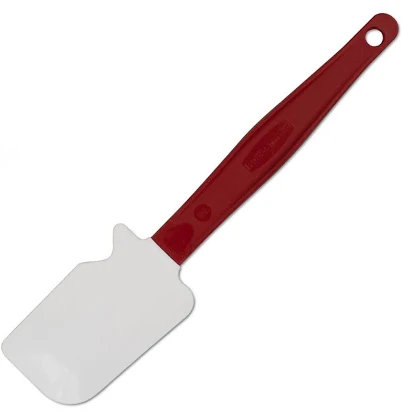
Rubbermaid High Heat Spatula
Silicone with no coating described, and no PFAS statement from the brand.
The product information we reviewed describes silicone head and handle, with no applied coating named. Silicone releases food on its own, so a non-stick claim on a silicone product describes the material rather than a coating. The brand has published no PFAS statement for it.
We flunk more products than we pass. This one earned its grade. How we grade
Material
Silicone head and handle
Brand disclosure
Brand is silent on PFAS
Lab data
No public lab test
You may also be interested in
Top-graded picks in the categories readers replace first, every one scored on the same rubric.

- polypropylene filter housing, carbon/sediment cartridge
- We found no PFAS statement from the brand
- Bacterial growth in spent cartridges
3 hazards checked on this product, all on its full breakdown.

Aquasure
Premier Series 75 GPD Under Sink Reverse Osmosis Water Filtration System
- RO membrane, carbon filters, stainless steel housing
- We found no PFAS statement from the brand
- Bacterial and microbial growth in housing and filters
4 hazards checked on this product, all on its full breakdown.

Avocado
Vegan Mattress
- organic cotton, natural latex, coconut coir, recycled steel coils
- The brand calls it PFAS-free, which we have not verified
- Heavy metals
2 hazards checked on this product, all on its full breakdown.
What Rubbermaid High Heat Spatula is made of, ingredients and materials
This spatula uses silicone for both head and handle, a synthetic rubber polymer that is heat-stable and does not require chemical coatings to function. Silicone is chemically inert at normal cooking temperatures (up to 400-500°F for food-grade versions) and does not leach plastic additives like BPA or phthalates into food. The lack of a nonstick or enamel coating means no Teflon-type coating fume risk or metal-oxide degradation concerns typical of coated metal utensils.
What’s concerning
No PFAS disclosure
No public statement from the brand about PFAS in this product.
Category baseline
The starting point for this type of product, before anything specific to this product is counted.
Silicone degradation and leaching
Food-grade silicone is stable at typical cooking temperatures, but prolonged exposure to oils, acidic foods, or temperatures above 400°F can cause microscopic degradation or leaching of uncrosslinked oligomers. This risk is lower than with plastic, but not zero.
Bacterial growth if poorly maintained
Silicone can trap food residue in microscopic surface pits, especially around the handle seam. Improper hand-washing or storage in damp conditions may allow bacterial colonization, though this is a hygiene issue rather than a material toxicity issue.
What’s reassuring
Base material not linked to PFAS
The main material recorded for this product is not one associated with PFAS.
Heavy metals
Rubbermaid silicone kitchen utensils typically use FDA-compliant colorants. No recalls or testing data suggest heavy metal contamination in the dyes or pigments used in standard color variants.
Source, FDA ↗Formaldehyde / VOCs
Silicone does not require formaldehyde-based resins or off-gassing adhesives. Food-grade silicone curing typically does not leave residual VOCs in the finished product.
Source, ATSDR ↗Teflon-type coating or nonstick coating fume risk
This spatula has no nonstick coating and is made entirely of silicone, eliminating Teflon-type coating inhalation risk from overheating or damage to a Teflon-style surface.
How is this PFAS grade calculated?
The brand's record and disclosure
Rubbermaid is a major manufacturer owned by Newell Brands with a mixed but generally transparent safety track record. The company has not publicly marketed PFAS-free claims for this product line, nor disclosed specific PFAS testing, a common silence in the kitchen utensil sector rather than a red flag. No significant recalls or safety controversies specific to Rubbermaid silicone kitchen utensils are on public record.
How it compares in its category
This product is mislabeled as a parchment-paper-category item but is actually a utensil; it compares most fairly to other silicone or wood spatulas. Silicone spatulas present lower concern than metal-with-nonstick-coating alternatives because they avoid Teflon-type coating and metal leaching. They are also more durable than wood, which can harbor bacteria and degrade over time, though they are slightly less heat-resistant than stainless steel in extreme conditions.
If you buy it
Hand-wash rather than dishwasher to extend silicone life, as high heat and abrasives can gradually degrade the material. Keep it away from open flame or direct oven elements; silicone softens around 400°F and loses integrity above 500°F. Replace the spatula if you notice discoloration, stickiness, or chunks missing from the head. Store in a cool, dry place to prevent silicone from becoming brittle over years of storage.
What is not known about PFAS in this product?
- Basis
- Model estimate, 45% confidence, not a lab result
- Lab test
- None on record for this exact product
- Brand statement
- Rubbermaid has made none
Formulations change between production runs, so check the current label. How we grade.
What are the PFAS-free alternatives to Rubbermaid High Heat Spatula?
- silicone-coated parchment paper
- The brand calls it PFAS-free, which we have not verified
- Paper degradation and particulate shedding
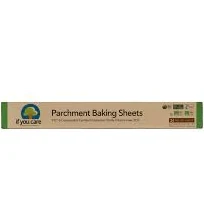
- unbleached paper with silicone coating
- The brand calls it PFAS-free, which we have not verified
- Silicone coating degradation at high heat
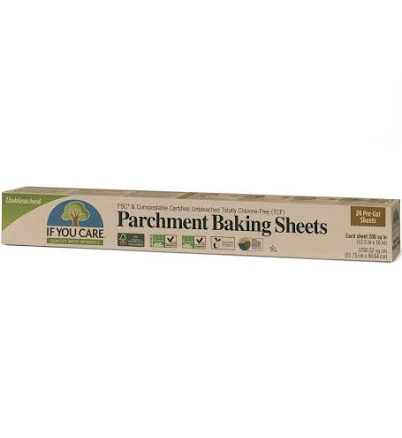
- bleached paper with silicone coating
- The brand calls it PFAS-free, which we have not verified
- Paper degradation and fragmentation
More parchment paper & baking liners grades
How we score, every product runs through the same public 0-100 rubric based on materials, coatings, brand disclosure, lab findings, and recalls. See the full methodology → Spotted a mistake? Report an error.