Rubbermaid · Parchment Paper & Baking Liners
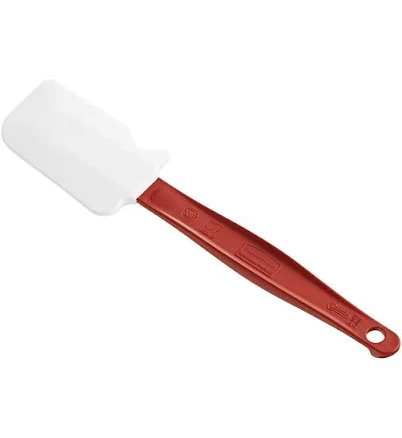
Rubbermaid High Temperature Silicone Spatula FG1962000000
Lower concern. Silicone spatula unlikely to contain PFAS.
This silicone spatula has no nonstick or Teflon-family coating applied. While Rubbermaid makes no PFAS statements, silicone itself is not a typical source of PFAS in kitchen tools.
The better-graded swap
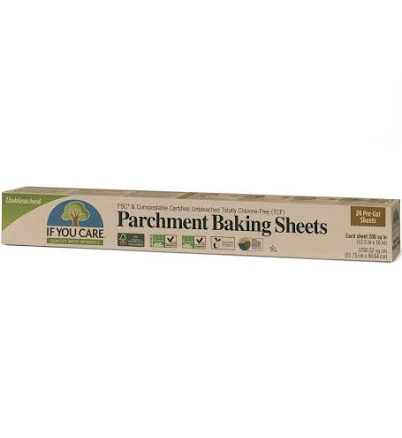
If You Care
If You Care Parchment Baking Sheets
90/100 safety
Same rubric that flunked this product. The swap earned Excellent.
Still want this one anyway? Check the price on Amazon. We’d swap it.
Material
high-temperature silicone handle and head
Brand disclosure
Brand is silent on PFAS
Lab data
No public lab test
You may also be interested in
Top-graded picks in the categories readers replace first, every one scored on the same rubric.

- polypropylene filter housing, carbon/sediment cartridge
- We found no PFAS statement from the brand
- Bacterial growth in spent cartridges
3 hazards checked on this product, all on its full breakdown.

Aquasure
Premier Series 75 GPD Under Sink Reverse Osmosis Water Filtration System
- RO membrane, carbon filters, stainless steel housing
- We found no PFAS statement from the brand
- Bacterial and microbial growth in housing and filters
4 hazards checked on this product, all on its full breakdown.

Avocado
Vegan Mattress
- organic cotton, natural latex, coconut coir, recycled steel coils
- The brand calls it PFAS-free, which we have not verified
- Heavy metals
2 hazards checked on this product, all on its full breakdown.
What Rubbermaid High Temperature FG1962000000 is made of, ingredients and materials
This spatula uses food-grade silicone for both the handle and head, which is thermally stable to approximately 600F (315C). Silicone is an inert synthetic polymer that does not leach significant compounds into food when used as designed. The material resists degradation under normal cooking heat, unlike some older non-stick coatings, and contains no Teflon-type coating (Teflon), eliminating fume risks from overheating.
What’s concerning
No PFAS disclosure
No public statement from the brand about PFAS in this product.
Category baseline
The starting point for this type of product, before anything specific to this product is counted.
Silicone leaching and degradation
Silicone can leach small amounts of oligomers (uncrosslinked polymer fragments) into fatty foods or when heated repeatedly, though published evidence of harm at food-contact levels is limited. Quality silicone typically has low migration; degraded or low-grade silicone poses higher risk.
Handle durability and wear
Consumer reviews note occasional cracking or loss of grip after 1-2 years of heavy use. This is material fatigue rather than a chemical hazard but can lead to food contamination if pieces flake into dishes.
What’s reassuring
Base material not linked to PFAS
The main material recorded for this product is not one associated with PFAS.
Teflon-type coating fume risk
This product is silicone-based, not Teflon-type coating-coated. No overheating fume hazard is associated with silicone spatulas.
Colorant or additive contamination
Rubbermaid does not disclose colorant sources or additives in this product. Standard food-grade silicone uses FDA-compliant pigments, but independent verification is not publicly available for this specific model.
Lead
Silicone spatulas do not have ceramic, enamel, or glaze coatings. This hazard class is irrelevant to this all-silicone design.
Source, ATSDR ↗How is this PFAS grade calculated?
The brand's record and disclosure
Rubbermaid (owned by Newell Brands) does not publicly disclose detailed PFAS testing or ingredient lists for this specific product. The company has faced no major recalls or safety controversies tied to silicone kitchen tools. Rubbermaid products generally meet FDA food-contact material standards, though the brand does not advertise third-party certifications for this item.
How it compares in its category
Silicone spatulas have lower concern for degradation and leaching risks compared to enameled cast iron, ceramic-coated cookware, and non-stick aluminum. Unlike wood or plastic alternatives, silicone maintains structural integrity at high heat without warping or off-gassing. This product sits in the middle of the market, functional and straightforward, but not distinguished by independent testing or premium certifications.
If you buy it
Avoid contact with direct flame or temperatures above the manufacturer's rated maximum (typically 600F). Replace if the silicone shows cracks, tears, or discoloration, as these may indicate material breakdown. Clean by hand or in warm soapy water; dishwasher safety depends on the specific product line. Store away from sharp objects and extreme heat to extend its lifespan to several years of typical use.
What is not known about PFAS in this product?
- Basis
- Model estimate, 82% confidence, not a lab result
- Lab test
- None on record for this exact product
- Brand statement
- Rubbermaid has made none
Formulations change between production runs, so check the current label. How we grade.
What are the PFAS-free alternatives to Rubbermaid High Temperature Silicone Spatula FG1962000000?
- silicone-coated parchment paper
- The brand calls it PFAS-free, which we have not verified
- Paper degradation and particulate shedding
- unbleached paper with silicone coating
- The brand calls it PFAS-free, which we have not verified
- Silicone coating degradation at high heat
- bleached paper with silicone coating
- The brand calls it PFAS-free, which we have not verified
- Paper degradation and fragmentation
More parchment paper & baking liners grades
How we score, every product runs through the same public 0-100 rubric based on materials, coatings, brand disclosure, lab findings, and recalls. See the full methodology → Spotted a mistake? Report an error.