Rubbermaid · Parchment Paper & Baking Liners
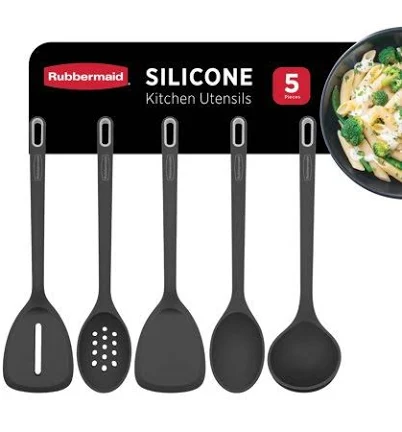
Rubbermaid Silicone Kitchen Utensils Set
Lower concern. Silicone material is not linked to PFAS.
Material as recorded is silicone utensils. The main material is not associated with PFAS. Rubbermaid has no PFAS statement on record for this product.
The better-graded swap
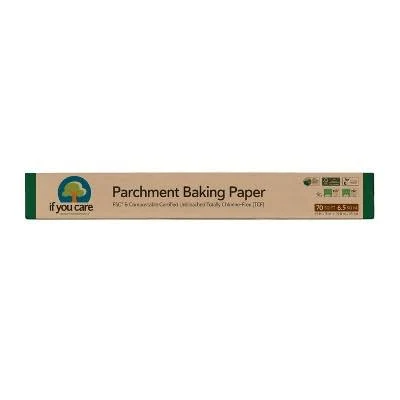
If You Care
If You Care Parchment Baking Paper
90/100 safety
Same rubric that flunked this product. The swap earned Excellent.
Still want this one anyway? Check the price on Amazon. We’d swap it.
Material
Silicone utensils
Brand disclosure
Brand is silent on PFAS
Lab data
No public lab test
You may also be interested in
Top-graded picks in the categories readers replace first, every one scored on the same rubric.

- polypropylene filter housing, carbon/sediment cartridge
- We found no PFAS statement from the brand
- Bacterial growth in spent cartridges
3 hazards checked on this product, all on its full breakdown.

Aquasure
Premier Series 75 GPD Under Sink Reverse Osmosis Water Filtration System
- RO membrane, carbon filters, stainless steel housing
- We found no PFAS statement from the brand
- Bacterial and microbial growth in housing and filters
4 hazards checked on this product, all on its full breakdown.

Avocado
Vegan Mattress
- organic cotton, natural latex, coconut coir, recycled steel coils
- The brand calls it PFAS-free, which we have not verified
- Heavy metals
2 hazards checked on this product, all on its full breakdown.
What Rubbermaid Silicone Kitchen Utensils Set is made of, ingredients and materials
Silicone is a synthetic polymer built on silicon-oxygen chains, not carbon-based plastics. Unlike materials such as melamine or polypropylene, silicone does not contain BPA, phthalates, or other endocrine disruptors as primary components. Food-grade silicone utensils are thermally stable up to roughly 400-500F and do not leach chemicals into food at normal cooking temperatures. The main concern with silicone is ensuring you purchase food-grade versions, which Rubbermaid products typically are.
What’s concerning
No PFAS disclosure
No public statement from the brand about PFAS in this product.
Category baseline
The starting point for this type of product, before anything specific to this product is counted.
Thermal stability and leaching at extreme heat
While food-grade silicone is stable at normal cooking temperatures, use well above 400F or prolonged broiler exposure may accelerate polymer breakdown and potential microparticle shedding into food. This is rare under typical home cooking but a consideration for high-heat applications.
Bacterial growth and odor retention
Silicone's porous surface can trap bacteria and odors if not cleaned thoroughly after contact with raw proteins or strong-smelling foods. Proper hand washing and occasional sanitization (boiling or bleach soak) mitigates this common hygiene issue.
What’s reassuring
Base material not linked to PFAS
The main material recorded for this product is not one associated with PFAS.
Colorant or additive migration
Rubbermaid silicone utensils are not on record for pigment leaching or heavy metal contamination. Food-grade silicone typically uses approved colorants, but specific ingredient lists are not always public.
Coating or finish degradation
Rubbermaid utensils are solid silicone, not coated products, so peeling or flaking finishes are not a documented hazard. Some competitor brands use thin silicone coatings over other materials, which can separate; this product appears to avoid that design.
Manufacturing contaminants or impurities
No recalls or reported incidents of mold, foreign materials, or heavy metal contaminants in Rubbermaid silicone utensil sets are documented in public records. Standard food-contact material regulations apply.
How is this PFAS grade calculated?
The brand's record and disclosure
Rubbermaid does not publicly disclose detailed chemical composition or third-party certifications for this product line on their standard marketing materials. The brand has not faced major recalls or safety controversies specific to silicone utensil sets in publicly available records. Rubbermaid is owned by Newell Brands, a large consumer goods company with mixed environmental and transparency practices, but no known product-specific safety red flags attach to this utensil line.
How it compares in its category
Silicone utensils present lower concern for splinter and bacterial growth compared to wooden spoons, do not scratch nonstick cookware like metal utensils can, and are not linked to BPA or phthalate exposure like older plastic utensils. They are durable, flexible, and nonporous, reducing bacterial harboring compared to wood. Most major cookware brands now offer silicone alternatives, making this a mainstream, well-vetted product category.
If you buy it
Avoid prolonged exposure to temperatures above 400F, as degradation accelerates. Hand wash or use low heat in dishwashers to extend lifespan; silicone can absorb odors and stains over time but remains food-safe. Replace utensils if you notice permanent discoloration, tears, or brittleness, though this typically takes years of heavy use. Store away from direct sunlight to slow oxidative breakdown.
What is not known about PFAS in this product?
- Basis
- Model estimate, 82% confidence, not a lab result
- Lab test
- None on record for this exact product
- Brand statement
- Rubbermaid has made none
Formulations change between production runs, so check the current label. How we grade.
What are the PFAS-free alternatives to Rubbermaid Silicone Kitchen Utensils Set?
- silicone-coated parchment paper
- The brand calls it PFAS-free, which we have not verified
- Paper degradation and particulate shedding
- unbleached paper with silicone coating
- The brand calls it PFAS-free, which we have not verified
- Silicone coating degradation at high heat
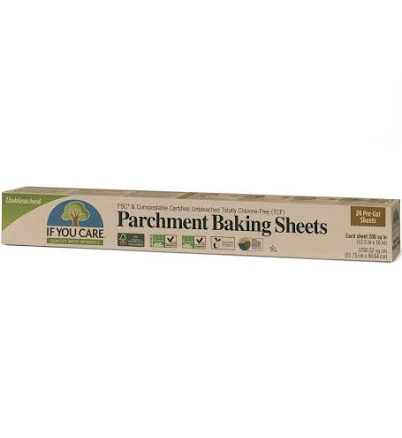
- bleached paper with silicone coating
- The brand calls it PFAS-free, which we have not verified
- Paper degradation and fragmentation
More parchment paper & baking liners grades
How we score, every product runs through the same public 0-100 rubric based on materials, coatings, brand disclosure, lab findings, and recalls. See the full methodology → Spotted a mistake? Report an error.