Rubbermaid · Parchment Paper & Baking Liners
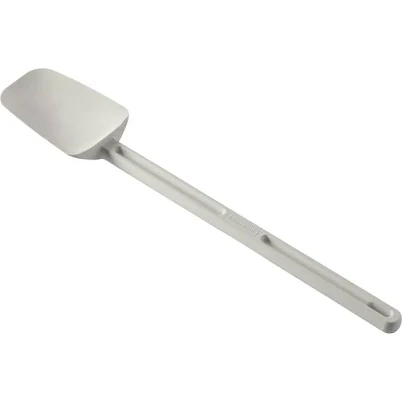
Rubbermaid Spoon-Shaped Spatula 13-1/2"
Material unclear; brand silent on PFAS and coating composition.
Rubbermaid doesn't state PFAS status or coating details for this spatula. Rubber or silicone spoon heads may contain PFAS, but no public lab results exist for this product.
The better-graded swap
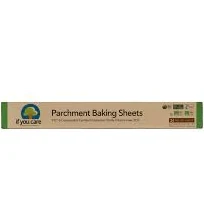
If You Care
Parchment Baking Sheets
90/100 safety
Same rubric that flunked this product. The swap earned Excellent.
Still want this one anyway? Check the price on Amazon. We’d swap it.
Material
Rubber or silicone spoon head, handle material unspecified
Brand disclosure
Brand is silent on PFAS
Lab data
No public lab test
You may also be interested in
Top-graded picks in the categories readers replace first, every one scored on the same rubric.

- polypropylene filter housing, carbon/sediment cartridge
- We found no PFAS statement from the brand
- Bacterial growth in spent cartridges
3 hazards checked on this product, all on its full breakdown.

Aquasure
Premier Series 75 GPD Under Sink Reverse Osmosis Water Filtration System
- RO membrane, carbon filters, stainless steel housing
- We found no PFAS statement from the brand
- Bacterial and microbial growth in housing and filters
4 hazards checked on this product, all on its full breakdown.

Avocado
Vegan Mattress
- organic cotton, natural latex, coconut coir, recycled steel coils
- The brand calls it PFAS-free, which we have not verified
- Heavy metals
2 hazards checked on this product, all on its full breakdown.
What Rubbermaid Spoon-Shaped Spatula 13-1/2" is made of, ingredients and materials
This spatula has a silicone or rubber spoon head paired with an unspecified handle material, likely plastic or wood. Silicone and natural rubber are both thermally stable and non-reactive with food at typical cooking temperatures (up to 400-500°F for silicone, lower for rubber). The critical detail is the handle composition, if plastic, it should be checked for BPA/BPS leaching; if wood, it is inert. Rubbermaid does not publicly disclose specific material grades or hardening methods for this product.
What’s concerning
Category baseline
The starting point for this type of product, before anything specific to this product is counted.
No PFAS disclosure
No public statement from the brand about PFAS in this product.
BPA & bisphenols
Handle material is not specified. If plastic, risk of BPA or BPS migration is low at room temperature but possible if handle contacts hot food or boiling water; no specific testing data for this product model exists.
Source, FDA ↗Handle material degradation
If handle is plastic, repeated hot-dishwasher cycles or prolonged contact with hot oil may cause brittleness over 1-2 years. No recall or widespread failure is on record, but premature wear is a durability rather than safety concern.
What’s reassuring
Base material not linked to PFAS
The main material recorded for this product is not one associated with PFAS.
Silicone/rubber thermal stability
Food-grade silicone is stable up to 400-500°F and does not off-gas or degrade at normal cooking temperatures. No established thermal breakdown hazard is documented for Rubbermaid silicone spatulas under standard use.
Coating or colorant migration
Spoon head is molded silicone, not a coated metal surface, so no enamel, glaze, or paint is present to flake. Silicone coloring is typically integral to the material and does not shed.
Contaminant absorption in porous material
Silicone is non-porous and does not absorb food particles or odors unlike rubber or wood, reducing bacterial growth risk during storage or reuse.
How is this PFAS grade calculated?
The brand's record and disclosure
Rubbermaid is owned by Newell Brands and is a mainstream consumer kitchen brand with no published major recalls specific to this spatula model. The company does not proactively disclose PFAS use, phthalates, or material certifications on product pages. No third-party testing reports or regulatory violations specific to this spatula are on record. The brand's silence on composition is typical for mid-market kitchenware but represents a gap in transparency.
How it compares in its category
Silicone spoon spatulas are not a material linked to PFAS concerns in the cookware category, they do not shed particles, do not require seasoning, and do not corrode or leach into food at normal use. This model is comparable to other mainstream silicone spatulas (OXO, IKEA, Calphalon brands). It underperforms only against wood or stainless steel in heat tolerance and durability, and against high-end medical-grade silicone in material certification transparency.
If you buy it
Keep the spoon head below 400°F (typical silicone max); do not expose to open flame. Hand wash or place on the upper rack of the dishwasher to avoid heat damage. Inspect the handle-head joint quarterly for cracking or separation; replace if damage appears or if the handle begins to deteriorate. Store away from strong direct sunlight to slow silicone aging. If the handle material is plastic and unidentified, avoid letting hot liquid contact it directly.
What is not known about PFAS in this product?
- Basis
- Model estimate, 35% confidence, not a lab result
- Lab test
- None on record for this exact product
- Brand statement
- Rubbermaid has made none
Formulations change between production runs, so check the current label. How we grade.
What are the PFAS-free alternatives to Rubbermaid Spoon-Shaped Spatula 13-1/2"?
- silicone-coated parchment paper
- The brand calls it PFAS-free, which we have not verified
- Paper degradation and particulate shedding
- unbleached paper with silicone coating
- The brand calls it PFAS-free, which we have not verified
- Silicone coating degradation at high heat
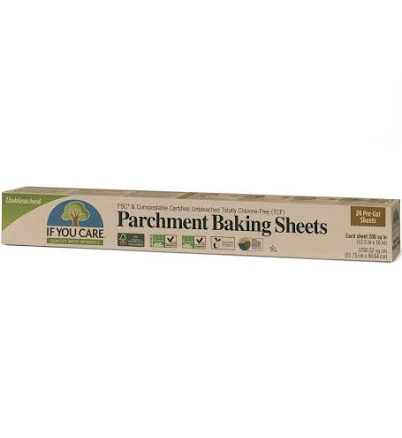
- bleached paper with silicone coating
- The brand calls it PFAS-free, which we have not verified
- Paper degradation and fragmentation
More parchment paper & baking liners grades
How we score, every product runs through the same public 0-100 rubric based on materials, coatings, brand disclosure, lab findings, and recalls. See the full methodology → Spotted a mistake? Report an error.