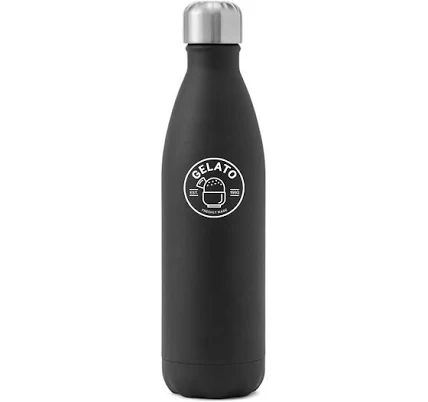
S'well 25 Oz. Water Bottle
Low risk. Stainless steel core unlikely to contain PFAS.
S'well bottles use stainless steel without disclosed water-repellent coatings. The brand does not claim PFAS-free status or provide transparency about lid materials.
We flunk more products than we pass. This one earned its grade. How we grade
Material
Stainless steel body with plastic lid
Lab data
No public lab test
You may also be interested in
Top-graded picks in the categories readers replace first, every one scored on the same rubric.

- polypropylene filter housing, carbon/sediment cartridge
- We found no PFAS statement from the brand
- Bacterial growth in spent cartridges
3 hazards checked on this product, all on its full breakdown.

Aquasure
Premier Series 75 GPD Under Sink Reverse Osmosis Water Filtration System
- RO membrane, carbon filters, stainless steel housing
- We found no PFAS statement from the brand
- Bacterial and microbial growth in housing and filters
4 hazards checked on this product, all on its full breakdown.

Avocado
Vegan Mattress
- organic cotton, natural latex, coconut coir, recycled steel coils
- The brand calls it PFAS-free, which we have not verified
- Heavy metals
2 hazards checked on this product, all on its full breakdown.
What S'well 25 Oz. Water Bottle is made of, ingredients and materials
The S'well bottle body is 18/8 stainless steel (304 grade), which does not leach metals under normal drinking conditions and resists corrosion. The lid is polypropylene (PP) plastic with a silicone gasket. Polypropylene is a food-contact plastic not linked to BPA or phthalates as a material concern. The stainless steel design eliminates concerns about aluminum leaching or ceramic glaze contaminants that affect other reusable bottles.
What’s concerning
No PFAS disclosure
No public statement from the brand about PFAS in this product.
Plastic lid degradation and silicone gasket wear
Polypropylene lids and silicone gaskets are durable but will degrade with extended use, repeated dishwashing, or contact with acidic or hot beverages. Degraded gaskets may fail to seal, allowing spills, but do not release harmful chemicals into water.
Bacterial growth in seal crevices
The gasket and lid threads can harbor bacteria if not cleaned thoroughly after each use, particularly if the bottle sits wet for extended periods. This is a hygiene issue rather than a material toxicity concern and is manageable with regular hand-washing.
Polypropylene chemical migration under heat stress
While polypropylene is relatively heat-stable, filling the bottle with boiling or very hot liquids repeatedly may accelerate minor leaching of oligomers or processing additives. This risk is low but can be minimized by avoiding sustained high-temperature use.
What’s reassuring
Base material not linked to PFAS
The main material recorded for this product is not one associated with PFAS.
Stainless steel nickel content
18/8 stainless steel contains approximately 8-10% nickel, which is below the threshold for contact leaching into water under normal use. No reported adverse events from S'well bottles in this regard; risk is negligible for most users except those with severe nickel sensitivity.
How is this PFAS grade calculated?
The brand's record and disclosure
S'well does not publicly disclose PFAS testing results or make formal statements about PFAS in their products, despite being a sustainability-focused brand. The company has no documented safety recalls or health violations on record for this bottle model. S'well has pursued BPA-free and phthalate-free certifications but does not advertise third-party chemical testing on their website.
How it compares in its category
This bottle is a reusable drinking vessel, not a water filter, so comparisons to filtered-water products are not applicable. Versus other reusable bottles, stainless steel construction presents lower concern for chemical leaching. The design avoids common hazards seen in glass bottles (breakage risk) and aluminum bottles (internal epoxy coatings that may degrade).
If you buy it
Wash the lid and gasket by hand or on the top rack of a dishwasher to prevent silicone degradation; avoid prolonged contact with harsh solvents or bleach. Do not fill with boiling liquid directly, as sustained high heat can compromise the gasket seal over time. Replace the gasket if it becomes cloudy, cracked, or fails to seal properly (typically after 2-3 years of daily use). The stainless steel body itself requires no replacement and will not corrode from standard use.
What is not known about PFAS in this product?
- Basis
- Model estimate, 72% confidence, not a lab result
- Lab test
- None on record for this exact product
- Brand statement
- S'well has made a specific claim
Formulations change between production runs, so check the current label. How we grade.
What are the PFAS-free alternatives to S'well 25 Oz. Water Bottle?
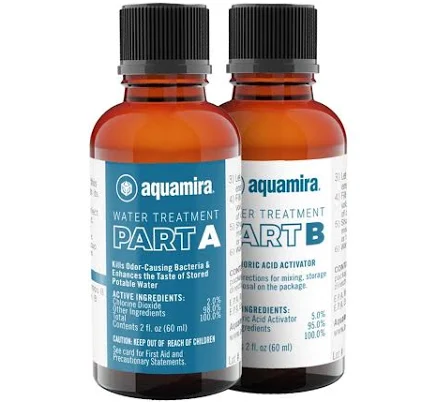
- glass bottles, sodium dichloroisocyanurate treatment chemical
- We found no PFAS statement from the brand
- Chemical overdose or misuse
5 hazards checked on this product, all on its full breakdown.
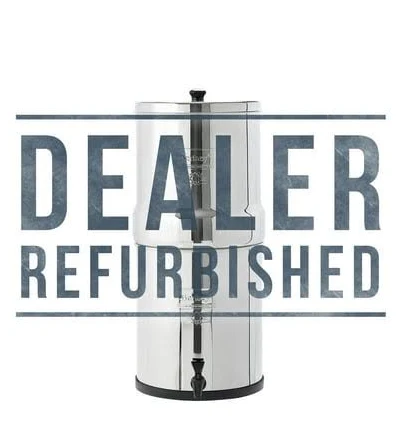
- Stainless steel housing and spigot
- We found no PFAS statement from the brand
- Bacterial growth and biofilm if filters not replaced
5 hazards checked on this product, all on its full breakdown.
- Borosilicate glass pitcher, replaceable activated-carbon filter cartridge
- Bacterial growth in filter cartridge if unmaintained
5 hazards checked on this product, all on its full breakdown.
More water filters grades
How we score, every product runs through the same public 0-100 rubric based on materials, coatings, brand disclosure, lab findings, and recalls. See the full methodology → Spotted a mistake? Report an error.