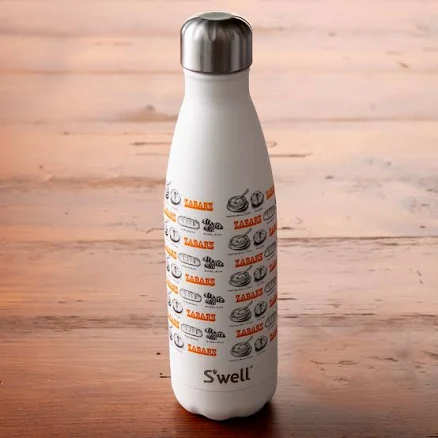
Zabar's S'well Travel Water Bottle
Lower concern; stainless core unlikely, but cap materials unclear.
S'well bottles use primarily stainless steel construction, which poses minimal PFAS risk. Plastic cap and lid composition remain undisclosed.
We flunk more products than we pass. This one earned its grade. How we grade
Material
Stainless steel with plastic cap/lid components
Lab data
No public lab test
You may also be interested in
Top-graded picks in the categories readers replace first, every one scored on the same rubric.

- polypropylene filter housing, carbon/sediment cartridge
- We found no PFAS statement from the brand
- Bacterial growth in spent cartridges
3 hazards checked on this product, all on its full breakdown.

Aquasure
Premier Series 75 GPD Under Sink Reverse Osmosis Water Filtration System
- RO membrane, carbon filters, stainless steel housing
- We found no PFAS statement from the brand
- Bacterial and microbial growth in housing and filters
4 hazards checked on this product, all on its full breakdown.

Avocado
Vegan Mattress
- organic cotton, natural latex, coconut coir, recycled steel coils
- The brand calls it PFAS-free, which we have not verified
- Heavy metals
2 hazards checked on this product, all on its full breakdown.
What Zabar's S'well Travel Water Bottle is made of, ingredients and materials
The S'well Travel Water Bottle uses a double-wall stainless steel construction for the beverage chamber, which is chemically inert and does not leach metals or compounds into drinking water under normal use. The cap and lid components are plastic (material type not publicly specified by S'well), which is the primary exposure point for non-PFAS chemical leaching. Stainless steel water bottles have lower concern than coated cookware or single-use plastics because stainless steel lacks the degradation pathways of coatings or the polymer composition of plastics.
What’s concerning
No PFAS disclosure
No public statement from the brand about PFAS in this product.
BPA & bisphenols
S'well does not disclose the polymer type or chemical composition of cap and lid components. Risk is low if caps remain below 40 degrees Celsius and not heated, but unknown material identity prevents full assessment.
Source, FDA ↗Polymer degradation and microplastic shedding
Repeated thermal stress on plastic caps (dishwasher heating, hot liquid contact, UV exposure) can degrade polymers over time. No published durability testing from S'well on long-term cap integrity or particulate release.
Cap gasket or seal contamination
Gasket materials (often silicone or rubber) can trap bacteria if not fully dried or if they crack. S'well does not specify gasket composition or replacement intervals.
What’s reassuring
Base material not linked to PFAS
The main material recorded for this product is not one associated with PFAS.
Bacterial colonization in double-wall cavity
Sealed double-wall stainless steel design minimizes microbial exposure compared to open-cavity water filters, but if cap seals fail or water enters the cavity during washing, stagnant growth is theoretically possible. Normal use with drying should prevent this.
Metal corrosion or surface degradation
Food-grade stainless steel (typically 304 or 18/8) is corrosion-resistant in potable water at pH 6-8. No documented cases of S'well bottles leaching iron, chromium, or nickel under standard use.
How is this PFAS grade calculated?
The brand's record and disclosure
S'well does not publicly disclose material certifications, BPA status, or composition of plastic cap components on their product pages or marketing materials. The brand has no documented safety recalls in major databases. S'well markets durability and insulation rather than safety credentials, which suggests a passive compliance posture rather than third-party verification or transparent material sourcing. No controversies regarding this specific product line are on public record.
How it compares in its category
Stainless steel water bottles occupy the upper safety tier of reusable drinkware; they outperform plastic bottles (BPA/phthalate leaching risk) and coated aluminum bottles (coating degradation). Unlike water filters (which require maintenance to prevent bacterial growth), this is a passive container with no filtration mechanism, so microbial colonization is limited to normal handwashing and drying. Premium brands like Hydro Flask and Klean Kanteen offer similar construction with slightly more transparent material disclosures.
If you buy it
Hand wash the cap and lid components rather than dishwasher heating to minimize any polymer degradation; do not store hot beverages above 60 degrees Celsius in extended contact with plastic lids. Replace the cap gasket or seals if they show cracking, discoloration, or odor, as these indicate polymer aging. The stainless steel body itself is durable for years; plastic components are the wear item. Allow bottles to air dry completely before sealing to prevent stagnant moisture buildup inside the chamber.
What is not known about PFAS in this product?
- Basis
- Model estimate, 72% confidence, not a lab result
- Lab test
- None on record for this exact product
- Brand statement
- S'well has made a specific claim
Formulations change between production runs, so check the current label. How we grade.
What are the PFAS-free alternatives to Zabar's S'well Travel Water Bottle?
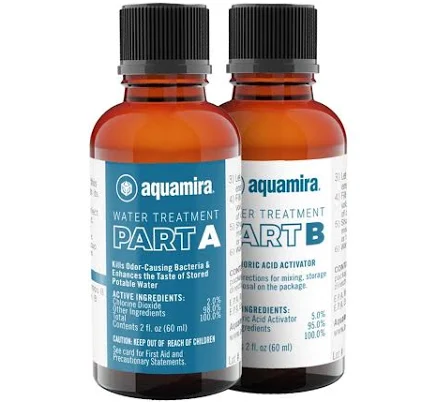
- glass bottles, sodium dichloroisocyanurate treatment chemical
- We found no PFAS statement from the brand
- Chemical overdose or misuse
5 hazards checked on this product, all on its full breakdown.

- Stainless steel housing and spigot
- We found no PFAS statement from the brand
- Bacterial growth and biofilm if filters not replaced
5 hazards checked on this product, all on its full breakdown.
- Borosilicate glass pitcher, replaceable activated-carbon filter cartridge
- Bacterial growth in filter cartridge if unmaintained
5 hazards checked on this product, all on its full breakdown.
More water filters grades
How we score, every product runs through the same public 0-100 rubric based on materials, coatings, brand disclosure, lab findings, and recalls. See the full methodology → Spotted a mistake? Report an error.