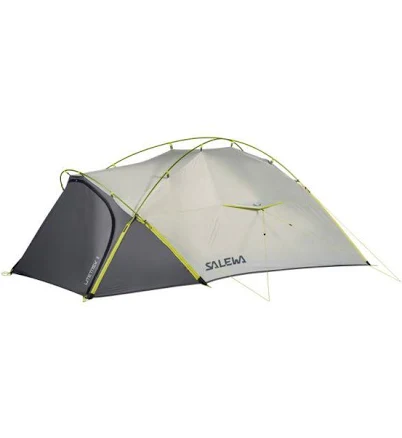
Salewa · Camping Tents & Tarps
Salewa Litetrek II Tent
Tent fabric likely treated with water-repellent coating; PFAS risk unclear without disclosure.
Salewa does not publicly disclose PFAS content or water-repellent coating chemistry for this tent. Most modern outdoor tents use fluorocarbon-based water-repellent coatings, though alternatives exist.
Still want this one anyway? Check the price on Amazon. We’d swap it.
Material
Polyester with water-repellent coating waterproof treatment
Brand disclosure
Brand is silent on PFAS
Lab data
No public lab test
You may also be interested in
Top-graded picks in the categories readers replace first, every one scored on the same rubric.

- polypropylene filter housing, carbon/sediment cartridge
- We found no PFAS statement from the brand
- Bacterial growth in spent cartridges
3 hazards checked on this product, all on its full breakdown.

Aquasure
Premier Series 75 GPD Under Sink Reverse Osmosis Water Filtration System
- RO membrane, carbon filters, stainless steel housing
- We found no PFAS statement from the brand
- Bacterial and microbial growth in housing and filters
4 hazards checked on this product, all on its full breakdown.

Avocado
Vegan Mattress
- organic cotton, natural latex, coconut coir, recycled steel coils
- The brand calls it PFAS-free, which we have not verified
- Heavy metals
2 hazards checked on this product, all on its full breakdown.
What Salewa Litetrek II Tent is made of, ingredients and materials
The Litetrek II is primarily polyester fabric, a synthetic polymer that is chemically stable under normal use and does not leach additives into food or skin contact. However, the critical question is the water-repellent coating (water-repellent coating) coating applied to the exterior. Most modern water-repellent coating treatments historically relied on PFOA or PFOS, though some brands have migrated to alternative chemistries. Salewa's choice of water-repellent coating chemistry is not publicly disclosed, making it impossible to rule out fluorinated compounds without direct manufacturer confirmation.
What’s concerning
Waterproof / stain-resistant treatment
Water-repellent coating treatments have historically used PFAS.
Category baseline
The starting point for this type of product, before anything specific to this product is counted.
No PFAS disclosure
No public statement from the brand about PFAS in this product.
PFAS
Polyester tent exteriors are routinely treated with water repellents; Salewa does not disclose whether its water-repellent coating uses fluorinated compounds or PFAS-free alternatives. This creates uncertainty around inhalation or skin contact during setup/use in wet conditions.
Source, ATSDR ↗Coating degradation and particle shedding
Polyester tent coatings naturally degrade over years of UV and moisture exposure. As water-repellent coating wears, microparticles of coating can shed into the environment; this is typical for all tents but accelerated by poor storage or aggressive cleaning.
Off-gassing of volatile organics from adhesives and seam sealants
Tent seams are typically sealed with polyurethane or other adhesive-based products. New tents may emit VOCs during the first week of use. Salewa does not disclose seam sealant chemistry, so composition is unknown.
What’s reassuring
Azo dyes in polyester fabric
No specific recalls or testing results for Salewa tents are on record. Polyester yarn dyes can include azo compounds, but outdoor tent use involves minimal direct skin contact and no ingestion risk. No brand commitment to restricted azo dye standards is publicly available.
Flame retardants
Salewa does not publish flame retardant ingredient lists for tent fabrics. Polyester itself is moderately flame-resistant, but some manufacturers add brominated or phosphorus-based additives. Without disclosure, presence cannot be confirmed or ruled out.
Source, EPA ↗How is this PFAS grade calculated?
The brand's record and disclosure
Salewa (owned by Dolomite/Spalax) does not publish detailed ingredient disclosures or certifications for flame retardants, dyes, or water-repellent coating treatments across its product lines. The brand has not signed the Bluesign or GOTS commitments, nor does it maintain transparency on PFAS use or phase-out timelines. This silence on chemical management is notable given the outdoor industry's increasing pressure on water-repellent coating disclosure following PFAS health concerns.
How it compares in its category
Most camping tents are made from polyester with some form of waterproofing. Competitors like Big Agnes, REI Co-op, and MSR have begun disclosing water-repellent coating chemistry or switching to PFAS-free alternatives. Salewa's lack of transparency puts it below category leaders on this metric, though the polyester base itself is not unusual. Mid-range outdoor brands often avoid disclosure, making Salewa typical in that respect but not a leader in chemical safety communication.
If you buy it
Store the tent dry and avoid prolonged UV exposure to slow fabric degradation. Do not machine wash with hot water; hand rinse with cool water and mild soap only, as heat or harsh chemicals may accelerate coating breakdown. Replace or repair when the water-repellent coating noticeably degrades (water stops beading on the exterior). If chemical sensitivity is a concern, contact Salewa directly to request water-repellent coating composition before purchase; silence on their part suggests they may not track or disclose it.
What is not known about PFAS in this product?
- Basis
- Model estimate, 45% confidence, not a lab result
- Lab test
- None on record for this exact product
- Brand statement
- Salewa has made none
Formulations change between production runs, so check the current label. How we grade.
More camping tents & tarps grades
How we score, every product runs through the same public 0-100 rubric based on materials, coatings, brand disclosure, lab findings, and recalls. See the full methodology → Spotted a mistake? Report an error.