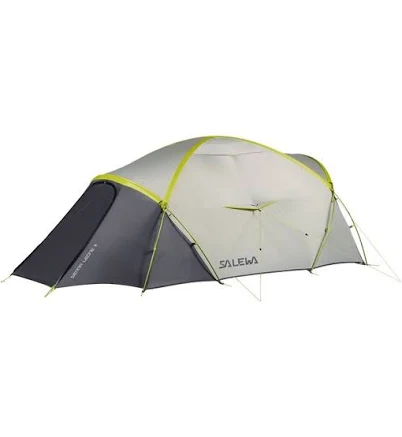
Salewa · Camping Tents & Tarps
Salewa Sierra Leone III Tent
Tent coating composition not disclosed; water-repellent coating treatment likely but unconfirmed.
Salewa does not publicly disclose PFAS status or water-repellent coating chemistry for this tent. Most modern outdoor fabrics use water-repellent coating treatments that may contain PFAS; without certification or brand transparency, risk remains uncertain.
Still want this one anyway? Check the price on Amazon. We’d swap it.
Material
Polyester fabric with water-repellent coating (water-repellent coating) coating
Brand disclosure
Brand is silent on PFAS
Lab data
No public lab test
You may also be interested in
Top-graded picks in the categories readers replace first, every one scored on the same rubric.

- polypropylene filter housing, carbon/sediment cartridge
- We found no PFAS statement from the brand
- Bacterial growth in spent cartridges
3 hazards checked on this product, all on its full breakdown.

Aquasure
Premier Series 75 GPD Under Sink Reverse Osmosis Water Filtration System
- RO membrane, carbon filters, stainless steel housing
- We found no PFAS statement from the brand
- Bacterial and microbial growth in housing and filters
4 hazards checked on this product, all on its full breakdown.

Avocado
Vegan Mattress
- organic cotton, natural latex, coconut coir, recycled steel coils
- The brand calls it PFAS-free, which we have not verified
- Heavy metals
2 hazards checked on this product, all on its full breakdown.
What Salewa Sierra Leone III Tent is made of, ingredients and materials
The Sierra Leone III uses polyester fabric, a petroleum-based synthetic that is chemically stable but typically finished with a water-repellent coating (water-repellent coating) coating to shed rain. Polyester itself does not off-gas significantly at room temperature, but the water-repellent coating treatment (composition unspecified by Salewa) is the chemical wild card. Most outdoor-grade water-repellent coating finishes historically contained Teflon-type coating-based or fluorocarbon compounds; newer alternatives exist but are not confirmed here. The polyester fiber may also be finished with formaldehyde-based resins during manufacturing to improve wrinkle and shrink resistance, a standard industry practice.
What’s concerning
Waterproof / stain-resistant treatment
Water-repellent coating treatments have historically used PFAS.
Category baseline
The starting point for this type of product, before anything specific to this product is counted.
No PFAS disclosure
No public statement from the brand about PFAS in this product.
Formaldehyde / VOCs
Polyester textiles are commonly treated with formaldehyde resins during manufacture for durability. Salewa does not certify formaldehyde-free production. Off-gassing is minimal in outdoor use but can occur indoors or in sealed storage.
Source, ATSDR ↗PFAS
Water-repellent coating treatments are industry standard but exact chemistry is withheld. Even non-fluorinated alternatives (e.g., silicone, wax-based) can cause skin irritation or respiratory effects during manufacturing or heavy use in humid conditions; composition matters but is opaque here.
Source, ATSDR ↗Azo dyes in colored fabrics
If the tent fabric is dyed (colors are typical), azo dyes are common and sometimes restricted in sensitive populations. No specific dye testing or restrictions are advertised by Salewa for this model.
What’s reassuring
Antimony in polyester fiber
Polyester may contain antimony oxide as a catalyst in manufacture. No evidence of elevated antimony in Salewa products on record, and outdoor tent use poses minimal direct skin contact or ingestion risk.
Microplastics
Polyester tents shed microfibers, especially during washing or abrasion. Environmental impact is established; direct consumer health impact from handling is not well characterized but worth minimizing through gentle care.
Source, EPA ↗How is this PFAS grade calculated?
The brand's record and disclosure
Salewa, owned by Dolomite Group (which is part of Intersport International), does not publicly disclose water-repellent coating chemistry or formaldehyde-free certifications for its tent lines. No major product recalls or safety warnings appear on record for this model. The brand has not signed onto bluesign or other third-party textile safety schemes, and materials transparency is not a stated priority in public communications. This silence on chemical inputs is typical of the outdoor gear industry but leaves buyers without confirmation of alternatives with lower concern.
How it compares in its category
Tents in this price and quality tier (3-season backpacking) almost universally use polyester with undisclosed water-repellent coating treatments; the Sierra Leone III is not unusual in this respect. Competitors like Big Agnes and MSR similarly do not publish water-repellent coating chemical specs. Premium brands (e.g., Hyperlite) may use newer fluorocarbon-free water-repellent coating or PFC-free options, though cost is higher. The Sierra Leone III sits at mid-market transparency and hazard profile for its category.
If you buy it
Ensure full outdoor use and ventilation; do not store long-term in bedrooms or enclosed spaces where off-gassing of formaldehyde or water-repellent coating compounds could accumulate. Air out new tent for 24-48 hours in sunlight before first camp use. Wash interior and exterior gently with plain water only (no detergents, which degrade water-repellent coating); avoid dry cleaning. Replace if seams or fabric show holes or discoloration after years of use, as coating breakdown may increase leaching risk.
What is not known about PFAS in this product?
- Basis
- Model estimate, 35% confidence, not a lab result
- Lab test
- None on record for this exact product
- Brand statement
- Salewa has made none
Formulations change between production runs, so check the current label. How we grade.
More camping tents & tarps grades
How we score, every product runs through the same public 0-100 rubric based on materials, coatings, brand disclosure, lab findings, and recalls. See the full methodology → Spotted a mistake? Report an error.