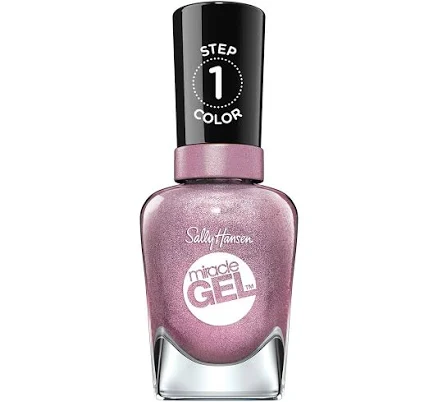
Sally Hansen · Cosmetic Color Products
Sally Hansen Miracle Gel Nail
Low-medium concern. No known PFAS use in gel polish.
Sally Hansen Miracle Gel uses synthetic polymers and resins with no public evidence of intentional PFAS. The brand provides no PFAS disclosures.
We flunk more products than we pass. This one earned its grade. How we grade
Material
gel nail polish, synthetic polymers and resins
Brand disclosure
Brand is silent on PFAS
Lab data
No public lab test
You may also be interested in
Top-graded picks in the categories readers replace first, every one scored on the same rubric.

- polypropylene filter housing, carbon/sediment cartridge
- We found no PFAS statement from the brand
- Bacterial growth in spent cartridges
3 hazards checked on this product, all on its full breakdown.

Aquasure
Premier Series 75 GPD Under Sink Reverse Osmosis Water Filtration System
- RO membrane, carbon filters, stainless steel housing
- We found no PFAS statement from the brand
- Bacterial and microbial growth in housing and filters
4 hazards checked on this product, all on its full breakdown.

Avocado
Vegan Mattress
- organic cotton, natural latex, coconut coir, recycled steel coils
- The brand calls it PFAS-free, which we have not verified
- Heavy metals
2 hazards checked on this product, all on its full breakdown.
What Sally Hansen Miracle Gel Nail is made of, ingredients and materials
Sally Hansen Miracle Gel is a hybrid gel-polish formulation combining synthetic oligomers, monomers, and photoinitiators that cure under UV/LED light. Unlike traditional nail polish, gel products cure via photopolymerization rather than evaporation, which means fewer volatile solvents escape into the air during application. The cured polymer forms a hard, glossy film on the nail; the specific resin blend and any additives (colorants, thickeners) are proprietary but fall within cosmetic-grade chemistry.
What’s concerning
Category baseline
The starting point for this type of product, before anything specific to this product is counted.
No PFAS disclosure
No public statement from the brand about PFAS in this product.
Volatile organic compounds (VOCs) from uncured gel monomers
Gel polishes emit monomer vapors (primarily acrylates) during application and initial curing. Sally Hansen does not publish ventilation guidelines or VOC concentration data; exposure is generally brief and low-dose in home settings but can accumulate with frequent use or poor airflow.
UV exposure from curing lamps
Curing with UV or LED lamps exposes hands to radiation that carries melanoma and photoaging risk with repeated use. This is a product-class hazard, not specific to Sally Hansen, but users should be aware that gel polish convenience comes with this cumulative exposure.
Fragrance allergens and sensitizers
Gel polishes typically contain fragrance or masking agents to offset monomer odor. Sally Hansen does not disclose fragrance components (protected as trade secrets); individuals with fragrance sensitivity or contact dermatitis may experience allergic reactions during application or wear.
Heavy metals
Some nail polish pigments (particularly bright reds, yellows, and metallics) may contain cadmium, lead, or nickel. Sally Hansen does not publicly test for or disclose heavy-metal content in Miracle Gel; this is a known issue in the cosmetics industry but cannot be confirmed or ruled out for this specific product without independent testing.
Source, FDA ↗What’s reassuring
Base material not linked to PFAS
The main material recorded for this product is not one associated with PFAS.
Formaldehyde / VOCs
No published evidence of formaldehyde or formaldehyde-releasing preservatives in Sally Hansen Miracle Gel. Traditional nail polishes sometimes contain these; gel formulations typically do not require them due to the polymerization mechanism and sealed packaging.
Source, ATSDR ↗How is this PFAS grade calculated?
The brand's record and disclosure
Sally Hansen is owned by Coty Inc. and is a mainstream mass-market brand with no publicly documented safety recalls or hazardous ingredient controversies tied to Miracle Gel specifically. The brand does not prominently disclose detailed ingredient lists or third-party testing data for gel polishes, which is typical for cosmetic manufacturers but limits independent verification. No substantiated reports of formaldehyde, dibutyl phthalate (DBP), or heavy-metal contamination have surfaced for this product line in consumer safety databases.
How it compares in its category
Gel polishes as a category sit lower-risk than some traditional nail polishes because they emit fewer volatile organic compounds (VOCs) during wear; however, they require UV/LED curing and removal via acetone soaking, both of which introduce separate exposures. Miracle Gel is positioned as a mid-range salon-at-home product and performs comparably to competing gel lines (OPI, Essie Gel, CND Shellac) in terms of disclosed safety profile. Niche indie brands sometimes market lower-chemical alternatives, but no clinical evidence shows Miracle Gel to have meaningfully different hazard profiles than established competitors.
If you buy it
Apply in a well-ventilated area to minimize inhalation of uncured monomer vapors. Cure strictly per label instructions using the specified UV or LED lamp; overexposure to UV light carries its own skin risk unrelated to the polish itself. Remove using non-acetone removers if possible to reduce skin barrier damage, or limit acetone soak time to 10 minutes; prolonged acetone exposure can dry nails and surrounding skin. Replace the polish every 2-3 weeks or when chipping occurs; do not attempt to repair failed cured gel with additional topcoat applications.
What is not known about PFAS in this product?
- Basis
- Model estimate, 60% confidence, not a lab result
- Lab test
- None on record for this exact product
- Brand statement
- Sally Hansen has made none
Formulations change between production runs, so check the current label. How we grade.
More cosmetic color products grades
How we score, every product runs through the same public 0-100 rubric based on materials, coatings, brand disclosure, lab findings, and recalls. See the full methodology → Spotted a mistake? Report an error.