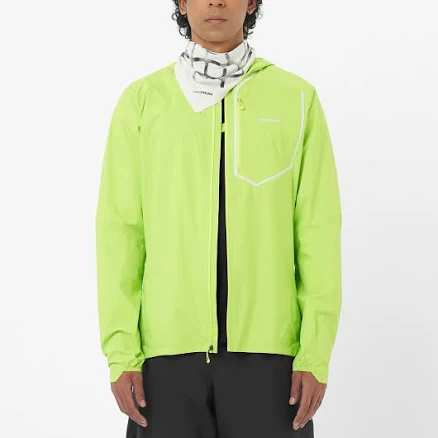
Salomon Bonatti Pro Jacket Men's
Waterproof jacket with likely water-repellent coating; PFAS risk unclear without disclosure.
Salomon does not disclose PFAS-related information for this jacket. Waterproof outerwear typically uses water-repellent coating treatments that historically contain PFAS, though reformulations exist.
Still want this one anyway? Check the price on Amazon. We’d swap it.
Material
nylon with water-repellent water-repellent coating treatment
Lab data
No public lab test
You may also be interested in
Top-graded picks in the categories readers replace first, every one scored on the same rubric.

- polypropylene filter housing, carbon/sediment cartridge
- We found no PFAS statement from the brand
- Bacterial growth in spent cartridges
3 hazards checked on this product, all on its full breakdown.

Aquasure
Premier Series 75 GPD Under Sink Reverse Osmosis Water Filtration System
- RO membrane, carbon filters, stainless steel housing
- We found no PFAS statement from the brand
- Bacterial and microbial growth in housing and filters
4 hazards checked on this product, all on its full breakdown.

Avocado
Vegan Mattress
- organic cotton, natural latex, coconut coir, recycled steel coils
- The brand calls it PFAS-free, which we have not verified
- Heavy metals
2 hazards checked on this product, all on its full breakdown.
What Salomon Bonatti Pro Jacket Men's is made of, ingredients and materials
The Bonatti Pro is constructed from nylon fabric with a water-repellent coating (water-repellent coating) finish applied to the outer shell. water-repellent coating coatings are the primary PFAS concern in this product; manufacturers typically apply fluorinated or non-fluorinated water-repellent chemistry, but Salomon does not publicly disclose which formulation this jacket uses. Nylon itself is stable under normal wear and laundering, though the water-repellent coating treatment is where chemical leaching and skin contact risks concentrate.
What’s concerning
Waterproof / stain-resistant treatment
Water-repellent coating treatments have historically used PFAS.
Category baseline
The starting point for this type of product, before anything specific to this product is counted.
No PFAS disclosure
No public statement from the brand about PFAS in this product.
water-repellent coating degradation and leaching
Undisclosed water-repellent coating formulation on nylon shell creates uncertainty about leaching during wear and laundering. Fluorinated water-repellent coating coatings are known to release PFAS into wash water and potentially transfer to skin; without brand confirmation of chemistry, risk cannot be ruled out.
What’s reassuring
Formaldehyde / VOCs
No public recalls or testing reports of excessive formaldehyde in Salomon nylon apparel. Standard nylon finishing may involve trace formaldehyde-based resins, but regulatory limits in EU and North America make this a low concern for this product category.
Source, ATSDR ↗Azo dyes in colored nylon
No documented azo dye violations for Salomon Bonatti Pro. Nylon is typically dyed with acid or disperse dyes; restricted azo dyes (those releasing carcinogenic amines) are banned in EU textiles, and no public evidence links this product to non-compliance.
Antimony in polyester blend or trim
The Bonatti Pro is primarily nylon with likely polyester lining; if present, polyester in outdoor apparel occasionally contains antimony as a polymerization catalyst. No testing data or recall history for this specific jacket indicates non-compliance with trace metal limits.
Flame retardants
Nylon hardshells for outerwear are not typically treated with added flame retardants under standard regulations. No public disclosure or testing suggests the Bonatti Pro contains brominated or phosphorus-based flame retardants beyond regulatory background.
Source, EPA ↗How is this PFAS grade calculated?
The brand's record and disclosure
Salomon has not published detailed chemical disclosure for this product line or committed to PFAS-free water-repellent coating alternatives in public statements. The brand does not list third-party certifications such as Bluesign or OEKO-TEX for the Bonatti Pro, which would otherwise signal stricter chemical control. Salomon's silence on water-repellent coating composition is typical of mid-to-premium outdoor brands but represents a missed opportunity for transparency in a product category where PFAS use remains common.
How it compares in its category
Many nylon hardshell jackets at this price point use fluorinated water-repellent coating finishes without disclosure. Competitors like Patagonia and Arc'teryx have begun phasing to fluorine-free alternatives, though they do not uniformly guarantee all products are PFAS-free. The Bonatti Pro sits in the mainstream, functional and durable, but not a category leader in chemical transparency. If avoiding PFAS is a priority, this jacket offers no assurance versus better-disclosed alternatives.
If you buy it
Wash infrequently and in cold water with mild detergent to minimize any potential water-repellent coating leaching and extend coating life; many nylon jackets retain water-repellency longer with minimal washing. Avoid machine drying and prolonged high heat, which can degrade nylon and potentially stress water-repellent coating adhesion. Replace the jacket if the outer fabric develops pilling, tears, or if water no longer beads on the surface, signaling water-repellent coating failure. Do not use harsh solvents or bleach, which accelerate both nylon degradation and coating breakdown.
What is not known about PFAS in this product?
- Basis
- Model estimate, 45% confidence, not a lab result
- Lab test
- None on record for this exact product
- Brand statement
- Salomon has made a specific claim
Formulations change between production runs, so check the current label. How we grade.
More rain jackets grades
How we score, every product runs through the same public 0-100 rubric based on materials, coatings, brand disclosure, lab findings, and recalls. See the full methodology → Spotted a mistake? Report an error.