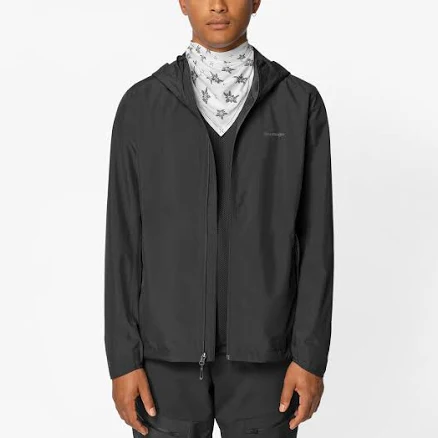
Salomon Men's Outscape 2L
Waterproof apparel; PFAS in water-repellent coating treatment unknown, brand silent.
Salomon does not disclose PFAS use in the Outscape 2L's waterproof coating. The 2L shell typically uses water-repellent coating treatment, which commonly contains PFAS, but specifics are not publicly available.
Still want this one anyway? Check the price on Amazon. We’d swap it.
Material
2L waterproof shell with water-repellent coating treatment
Lab data
No public lab test
You may also be interested in
Top-graded picks in the categories readers replace first, every one scored on the same rubric.

- polypropylene filter housing, carbon/sediment cartridge
- We found no PFAS statement from the brand
- Bacterial growth in spent cartridges
3 hazards checked on this product, all on its full breakdown.

Aquasure
Premier Series 75 GPD Under Sink Reverse Osmosis Water Filtration System
- RO membrane, carbon filters, stainless steel housing
- We found no PFAS statement from the brand
- Bacterial and microbial growth in housing and filters
4 hazards checked on this product, all on its full breakdown.

Avocado
Vegan Mattress
- organic cotton, natural latex, coconut coir, recycled steel coils
- The brand calls it PFAS-free, which we have not verified
- Heavy metals
2 hazards checked on this product, all on its full breakdown.
What Salomon Men's Outscape 2L is made of, ingredients and materials
The Outscape 2L is a two-layer polyester shell with a water-repellent coating (water-repellent coating) treatment applied to the outer fabric. Two-layer construction means a breathable membrane is laminated to polyester face and lining; water-repellent coating finishes are historically the primary source of PFAS in waterproof apparel. The polyester base itself is not a known toxicological concern, but the protective coating is where chemical risk concentrates in this product type.
What’s concerning
Waterproof / stain-resistant treatment
Water-repellent coating treatments have historically used PFAS.
Category baseline
The starting point for this type of product, before anything specific to this product is counted.
No PFAS disclosure
No public statement from the brand about PFAS in this product.
PFAS
Two-layer waterproof construction with water-repellent coating finish almost certainly contains either legacy long-chain or newer short-chain fluorinated compounds; Salomon has not disclosed which, and brand silence suggests no recent transition to fluorine-free alternatives.
Source, ATSDR ↗Microplastic shedding
Polyester shells shed microfibers during washing; the laminated construction does not inherently increase this risk, but repeated laundering of waterproof garments contributes to aquatic microplastic pollution.
water-repellent coating leaching in wash and wear
Fluorinated water-repellent coating compounds migrate into wastewater during laundering and can leach from worn fabric; this is an environmental and indirect human-exposure pathway rather than direct dermal absorption, but remains a documented concern with fluorinated finishes.
What’s reassuring
Formaldehyde / VOCs
Polyester apparel can contain residual formaldehyde from cross-linking resins and dyeing; no specific reports or recalls link this Salomon model to elevated formaldehyde, but standard polyester textiles may contain trace levels.
Source, ATSDR ↗Azo dyes and color fastness
No evidence of restricted azo dyes in Salomon products; the brand complies with standard EU and US textile regulations, but color composition is not publicly disclosed for this model.
How is this PFAS grade calculated?
The brand's record and disclosure
Salomon has not publicly committed to phasing out fluorinated water-repellent coating treatments or disclosed PFAS testing for this model. The brand's environmental communications focus primarily on recycling and supply-chain labor rather than chemical safety. No major recalls or safety controversies are on record for this specific jacket, but Salomon's silence on PFAS aligns with industry inertia rather than leadership.
How it compares in its category
Most mainstream waterproof shell jackets in this price and performance tier ($200-300 range) use legacy fluorinated water-repellent coating or PFC-free alternatives with equivalent water-shedding performance. Competing brands such as Arc'teryx, Patagonia, and some Decathlon lines have publicly transitioned or committed to fluorine-free water-repellent coating; Salomon's neutral stance leaves this jacket in the middle of the market in terms of chemical disclosure, not performance.
If you buy it
Wash separately in cold water with mild detergent to avoid accelerating water-repellent coating degradation and leaching. Do not use fabric softeners or heat-dry, as high temperatures can increase chemical off-gassing and coating breakdown. Reapply water-repellent coating every 1-2 years if water beading diminishes; expect the jacket to retain waterproofing for 3-5 years with proper care. Consider the environmental fate of the garment at end-of-life, as fluorinated water-repellent coating coatings persist in landfill and wastewater.
What is not known about PFAS in this product?
- Basis
- Model estimate, 45% confidence, not a lab result
- Lab test
- None on record for this exact product
- Brand statement
- Salomon has made a specific claim
Formulations change between production runs, so check the current label. How we grade.
More rain jackets grades
How we score, every product runs through the same public 0-100 rubric based on materials, coatings, brand disclosure, lab findings, and recalls. See the full methodology → Spotted a mistake? Report an error.