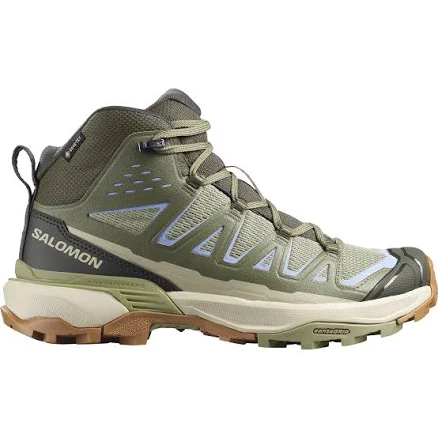
Salomon Women's X Ultra 360 Edge Mid Shoes
Skip until Salomon discloses waterproof treatment chemistry.
Salomon does not publicly disclose PFAS status or waterproofing chemistry for this hiking shoe. Waterproof textiles commonly use PFAS-based water-repellent coating finishes, but treatment type is unconfirmed.
Still want this one anyway? Check the price on Amazon. We’d swap it.
Material
Textile upper with waterproof treatment, synthetic sole
Lab data
No public lab test
You may also be interested in
Top-graded picks in the categories readers replace first, every one scored on the same rubric.

Aqua Pure
3M Aqua-Pure AP802B Whole House Filter Housing
- polypropylene filter housing, carbon/sediment cartridge
- We found no PFAS statement from the brand
- Bacterial growth in spent cartridges
3 hazards checked on this product. See all of them.

Aquasure
Premier Series 75 GPD Under Sink Reverse Osmosis Water Filtration System
- RO membrane, carbon filters, stainless steel housing
- We found no PFAS statement from the brand
- Bacterial and microbial growth in housing and filters
4 hazards checked on this product. See all of them.

Avocado
Vegan Mattress
- organic cotton, natural latex, coconut coir, recycled steel coils
- The brand calls it PFAS-free, which we have not verified
- Heavy metals
2 hazards checked on this product. See all of them.
What Salomon Women's X Ultra 360 Edge Mid Shoes is made of, ingredients and materials
The X Ultra 360 Edge Mid combines a textile upper (likely polyester or nylon blend) with a synthetic sole, typical of hiking footwear. Salomon does not publicly specify the waterproofing chemistry used on the textile upper; this is the critical gap. Waterproofing on technical textiles is commonly achieved with PFAS-based treatments, which are persistent environmental contaminants and have raised health concerns in peer-reviewed literature. The synthetic sole material itself (likely rubber or polyurethane) carries no established hazard specific to this product.
What’s concerning
Waterproof / stain-resistant treatment
Water-repellent coating treatments have historically used PFAS.
Category baseline
The starting point for this type of product, before anything specific to this product is counted.
No PFAS disclosure
No public statement from the brand about PFAS in this product.
PFAS
Textile waterproofing on this shoe is not disclosed. Industry standard practice often employs PFAS-based water-repellent coating; Salomon has not stated otherwise. This is the primary reason to seek disclosure or choose an alternative.
Source, ATSDR ↗Formaldehyde / VOCs
Polyester and nylon textiles may include formaldehyde-based finishing resins for wrinkle resistance or shape retention. Salomon does not specify; no public test results are on record for this model.
Source, ATSDR ↗Azo dyes in textile coloring
The upper fabric is dyed; if azo dyes are used, they can break down into aromatic amines under sweat and friction. No specific restriction or certification data for this shoe are published.
Microfiber shedding from synthetic sole and upper
All synthetic textiles and rubbers shed microfibers during use and laundering. This is an environmental concern rather than direct wearer toxicity, but supports minimizing machine washing.
Adhesive volatiles from bonded layers
The upper is likely glued to the sole; volatile organic compounds from adhesives may off-gas, especially when new or exposed to heat. Airing new shoes before wearing reduces this exposure.
The full breakdown
The brand's record and disclosure
Salomon has not publicly disclosed the waterproofing treatment chemistry for this model or made a company-wide commitment to PFAS-free alternatives. The brand has no known certifications (such as bluesign or OEKO-TEX) that would rule out or limit PFAS use. This silence on a known industrial practice is the primary concern; absence of a recall or incident report does not confirm safety, only that public harm data are unavailable.
How it compares in its category
Most mid-range hiking shoes use water-repellent coating (water-repellent coating) coatings, many of which still rely on PFAS chemistry despite industry momentum toward alternatives. Some brands (e.g., Salewa, ASOLO) have begun disclosing PFAS-free or reduced-PFAS treatments; Salomon's silence puts it in a less transparent segment. The X Ultra line is well-regarded for fit and durability, but transparency on chemical inputs lags competitors.
If you buy it
Wash the shoes separately from other laundry to minimize microfiber and treatment chemical shedding into household water. Avoid machine drying at high heat; air dry to preserve the waterproof coating and reduce any off-gassing from adhesives or treatments. Expect the waterproofing to degrade within 1-2 years of regular use; when water no longer beads, retreatment may be possible but adds further chemical exposure. If PFAS content is a concern, contact Salomon directly to request treatment documentation before purchase.
What we don’t know
- Basis
- Model estimate, 35% confidence, not a lab result
- Lab test
- None on record for this exact product
- Brand statement
- Salomon has made a specific claim
Formulations change between production runs, so check the current label. How we grade.
Better-graded alternatives in Waterproof Boots
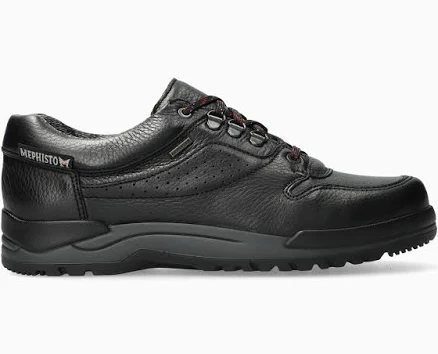
Mephisto
Men Mephisto Curt Mt SNEAKER
- leather, textile, rubber sole
- We found no PFAS statement from the brand
- Volatile organic compounds (VOC) off-gassing from adhesives
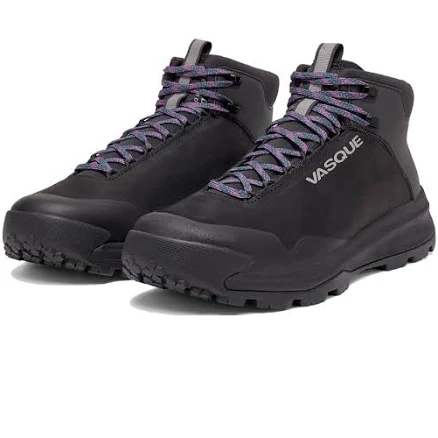
Vasque
Hiking shoes Vasque Women's Horizon Mid
- Leather/nubuck upper, synthetic/rubber sole, no coating disclosed
- We found no PFAS statement from the brand
- Azo dyes (leather/textile coloring)
4 hazards checked on this product. See all of them.
Find an alternative on AmazonMore waterproof boots grades
How we score, every product runs through the same public 0-100 rubric based on materials, coatings, brand disclosure, lab findings, and recalls. See the full methodology → Spotted a mistake? Report an error.