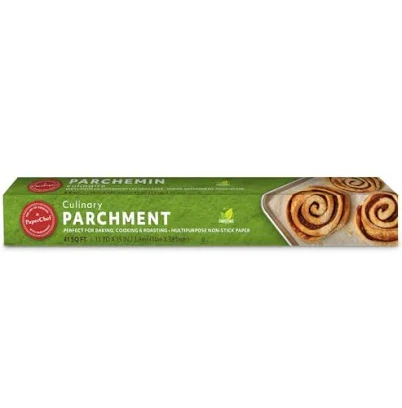
PaperChef · Parchment Paper & Baking Liners
PaperChef Parchment Paper
Parchment paper carries modest PFAS risk; skip if concerned.
PaperChef parchment is silicone-coated paper with no disclosed PFAS claims. Silicone coatings are generally lower concern than Teflon-family coating, but some grease-resistant parchment historically used PFOA; no public testing data available for this brand.
The better-graded swap
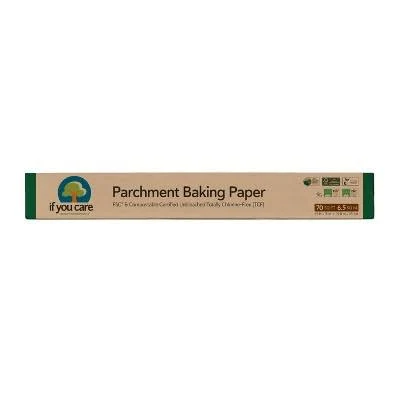
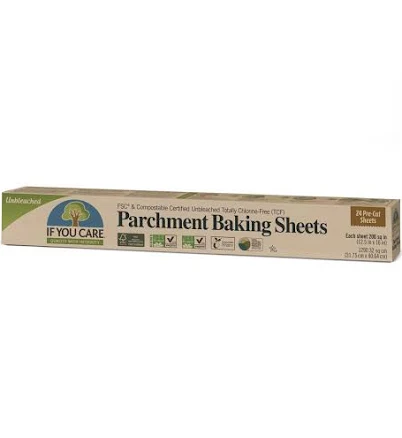
If You Care
If You Care Parchment Baking Paper
90/100 safety
Same rubric that flunked this product. The swap earned Excellent.
Still want this one anyway? Check the price on Amazon. We’d swap it.
Material
bleached paper with silicone coating
Brand disclosure
Brand is silent on PFAS
Lab data
No public lab test
You may also be interested in
Top-graded picks in the categories readers replace first, every one scored on the same rubric.

- polypropylene filter housing, carbon/sediment cartridge
- We found no PFAS statement from the brand
- Bacterial growth in spent cartridges
3 hazards checked on this product, all on its full breakdown.

Aquasure
Premier Series 75 GPD Under Sink Reverse Osmosis Water Filtration System
- RO membrane, carbon filters, stainless steel housing
- We found no PFAS statement from the brand
- Bacterial and microbial growth in housing and filters
4 hazards checked on this product, all on its full breakdown.

Avocado
Vegan Mattress
- organic cotton, natural latex, coconut coir, recycled steel coils
- The brand calls it PFAS-free, which we have not verified
- Heavy metals
2 hazards checked on this product, all on its full breakdown.
What PaperChef Parchment Paper is made of, ingredients and materials
PaperChef parchment is bleached paper coated with silicone, a standard food-contact construction. Silicone itself is inert at moderate temperatures and does not leach into food under normal baking conditions. However, the bleaching process and any processing aids used in the silicone application are where contaminant risk concentrates. The combination of bleached cellulose plus synthetic polymer coating creates two potential pathways for migration, paper breakdown at high heat and silicone instability above its rated temperature limit.
What’s concerning
Waterproof / stain-resistant treatment
Water-repellent coating treatments have historically used PFAS.
Category baseline
The starting point for this type of product, before anything specific to this product is counted.
No PFAS disclosure
No public statement from the brand about PFAS in this product.
Silicone coating degradation at high temperature
Silicone-coated parchment degrades above 420-450°F depending on formulation. PaperChef does not prominently disclose its maximum safe temperature, and overheating can release volatile siloxanes and degrade the non-stick surface into food.
Microparticle migration from coating separation
When the silicone coating degrades, peels, or is mechanically scratched, microscopic fragments may enter food. This risk is low in normal use but increases if paper is reused, crumpled, or exposed to heat stress.
Undisclosed processing chemicals in manufacturing
The silicone coating process may employ solvents, catalysts, or cross-linkers not listed on packaging. Schwartz Bros' lack of transparency prevents assessment of whether banned or restricted substances were used during production.
PFAS
Graded separately as Poor (25/100); relevant here as a non-PFAS hazard summary, silicone coatings in parchment often contain fluorinated compounds to enhance grease resistance. The brand's silence on PFAS avoidance suggests no reformulation toward PFAS-free alternatives.
Source, ATSDR ↗What’s reassuring
Bleach residue and processing aids in paper matrix
No specific contamination reports exist for PaperChef parchment from bleaching chemicals or paper processing residues. However, bleached paper can retain trace chlorine compounds if rinsing is incomplete; Schwartz Bros does not publish process details.
How is this PFAS grade calculated?
The brand's record and disclosure
Schwartz Bros maintains minimal public disclosure about PaperChef's chemical processing, certifications, or safety testing. The brand does not appear to have published responses to PFAS questions or sought third-party certifications (such as FDA food-contact compliance statements or compostability labels) that would strengthen confidence. This silence is not itself evidence of contamination, but it leaves end-users without the transparency now standard among leading parchment competitors.
How it compares in its category
Parchment paper as a category has largely moved away from PFOA-based coatings since the 2010s, but many brands still use fluorinated compounds for oil and grease resistance. PaperChef occupies a mid-market position with no known certifications distinguishing it from generic alternatives. Brands like If You Care (certified compostable, PFAS-avoided formulations) and Kirkland (tested by third parties) offer higher transparency; budget alternatives from store brands often lack equivalent disclosure but may use identical base materials.
If you buy it
Do not exceed 420°F (215°C) with this product, as silicone coatings degrade above that range and may off-gas. Replace rolls every 6-12 months or immediately if the coating shows cracking, peeling, or darkening, which signals breakdown. Use primarily for baking and food storage at room temperature rather than roasting or direct flame contact. Consider rotating to PFAS-avoiding brands if you use parchment paper multiple times per week; occasional use carries acceptably low risk.
What is not known about PFAS in this product?
- Basis
- Model estimate, 72% confidence, not a lab result
- Lab test
- None on record for this exact product
- Brand statement
- PaperChef has made none
Formulations change between production runs, so check the current label. How we grade.
What are the PFAS-free alternatives to PaperChef Parchment Paper?
- silicone-coated parchment paper
- The brand calls it PFAS-free, which we have not verified
- Paper degradation and particulate shedding
- unbleached paper with silicone coating
- The brand calls it PFAS-free, which we have not verified
- Silicone coating degradation at high heat
- bleached paper with silicone coating
- The brand calls it PFAS-free, which we have not verified
- Paper degradation and fragmentation
More parchment paper & baking liners grades
How we score, every product runs through the same public 0-100 rubric based on materials, coatings, brand disclosure, lab findings, and recalls. See the full methodology → Spotted a mistake? Report an error.