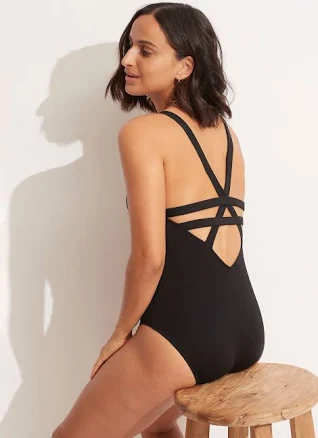
Seafolly Women's Active Deep V-Neck One-Piece Swimsuit
Avoid unless Seafolly discloses water-repellent coating composition; synthetic swimwear commonly uses PFAS.
Seafolly makes no statement on PFAS for this nylon swimsuit. High-performance swimwear typically gets water-repellent coating treatment historically reliant on PFAS, though some brands now use alternatives.
The better-graded swap
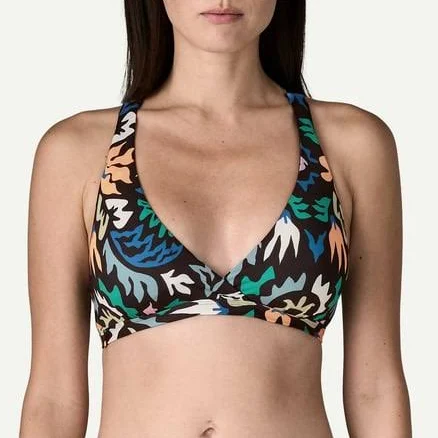
Patagonia
Patagonia Women's Bottom Turn Racerback Bikini Top
90/100 safety
Same rubric that flunked this product. The swap earned Excellent.
Still want this one anyway? Check the price on Amazon. We’d swap it.
Material
Nylon/polyamide blend with likely water-repellent coating finish
Brand disclosure
Brand is silent on PFAS
Lab data
No public lab test
What Seafolly Women's Active Deep V-Neck is made of, ingredients and materials
Seafolly's Active Deep V-Neck is a nylon/polyamide blend, a standard synthetic choice for swimwear durability and stretch recovery. The critical unknown is the water-repellent coating (water-repellent coating) finish applied to the fabric. Most mainstream swimwear brands use fluorinated compounds (PFAS-based) to achieve water beading and quick-dry properties, though some now use fluorine-free alternatives. Seafolly has not publicly disclosed which chemistry they use, making the water-repellency treatment the primary chemical risk vector in this garment.
What’s concerning
Category baseline
The starting point for this type of product, before anything specific to this product is counted.
No PFAS disclosure
No public statement from the brand about PFAS in this product.
Waterproof / stain-resistant treatment
Water-repellent coating treatments have historically used PFAS.
PFAS
Undisclosed water-repellent treatment in nylon swimwear commonly relies on fluorinated compounds; Seafolly provides no public chemistry statement.
Source, ATSDR ↗Microfiber shedding during use
All synthetic nylon swimwear sheds microscopic fibers with wear and washing; intensity depends on fabric weight and water-repellent coating integrity, but this is a material-class issue, not a Seafolly-specific defect.
Skin sensitization or irritation from chemical finishes
Residual water-repellent coating chemicals or dyes may cause irritation in sensitive skin, especially in wet conditions; no specific incidents reported for Seafolly, but risk is higher with undisclosed finishes.
What’s reassuring
Azo dyes and colorant safety
No specific recalls or reported issues for Seafolly swimwear colorants; modern nylon swimwear typically meets EU/US dye safety standards, but brand does not list GOTS or OEKO-TEX certification to confirm testing.
Antimony in polyester components
Blended nylon garments may include polyester; antimony catalyst residue is possible but rare in modern manufacturing and no recalls are documented for this brand.
The full breakdown
The brand's record and disclosure
Seafolly (owned by Platypus Holdings, Australian heritage brand) has no prominent public stance on PFAS avoidance or transparency regarding water-repellent coating chemistry. No industry certifications (Bluesign, GOTS, or OEKO-TEX STANDARD 100) appear to be claimed for this product line, which would typically verify absence of restricted substances. The brand does not appear in major PFAS-focused retailer initiatives (e.g., Patagonia's or REI's vendor screening) as a leader in fluorine-free practices. Lack of disclosure in an era of increased PFAS scrutiny suggests either use of legacy PFAS-based treatments or insufficient transparency.
How it compares in its category
Mainstream athletic and fashion swimwear (Speedo, Arena, Nike) typically rely on fluorinated water-repellent coating finishes; Seafolly sits in this standard category. Brands explicitly committing to PFAS-free water-repellent coating (e.g., Girlfriend Collective, some Patagonia synthetic pieces) publicly market this choice and often carry third-party certification. Seafolly's silence places it in the middle ground, not a leader in disclosure, but also not flagged by major retailers or advocacy groups as a known PFAS offender. Price point and design appeal are higher than budget brands but lower than premium PFAS-free alternatives.
If you buy it
Rinse swimwear in fresh water after each saltwater or chlorinated use to reduce fabric stress and chemical degradation, not to remove residual PFAS (which bond during manufacturing). Line-dry only; heat from dryers or direct sunlight accelerates nylon degradation and potential microfiber shedding. Do not bleach or use fabric softeners, which can degrade the water-repellent coating and void any durability benefit. If PFAS exposure is a personal priority, contact Seafolly directly requesting water-repellent coating chemistry disclosure before purchase, or choose a brand with certified fluorine-free treatments.
What we don’t know
- Basis
- Model estimate, 45% confidence, not a lab result
- Lab test
- None on record for this exact product
- Brand statement
- Seafolly has made none
Formulations change between production runs, so check the current label. How we grade.
Better-graded alternatives in Swimwear
Patagonia
Women's Bottom Turn Racerback Bikini Top
- Nylon/polyester blend with elastane (standard swimwear)
- The brand calls it PFAS-free, which we have not verified
- Elastane (spandex) degradation under heat or chlorine
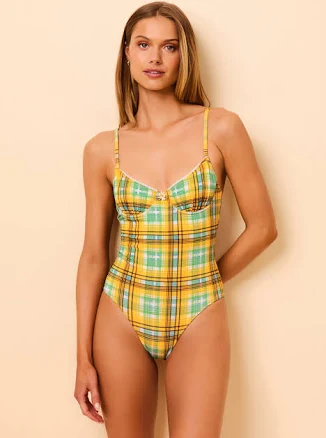
Solid & Striped
Taylor One Piece Seersucker Plaid
- Cotton/cotton-blend seersucker plaid
- We found no PFAS statement from the brand
- Azo dyes and colorfast stability
2 hazards checked on this product. See all of them.
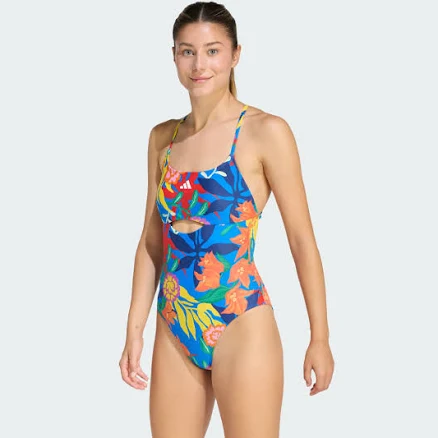
Adidas
Women's Mexicana Florals Tie-Back Swimsuit
- Polyester/nylon swimsuit fabric, likely uncoated or standard finish
- Azo dyes and synthetic colorants
4 hazards checked on this product. See all of them.
More swimwear grades
How we score, every product runs through the same public 0-100 rubric based on materials, coatings, brand disclosure, lab findings, and recalls. See the full methodology → Spotted a mistake? Report an error.