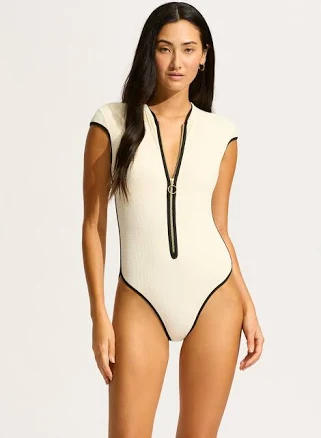
Seafolly Women's Cap Sleeve Zip-Front One Piece Swimsuit
Typical swimwear with unknown water-repellent coating treatment; PFAS risk remains unclear.
The nylon/spandex swimsuit features water-repellent treatment applied for durability and quick-drying. Seafolly does not disclose whether its water-repellent coating contains PFAS or PFAS-free alternatives.
The better-graded swap
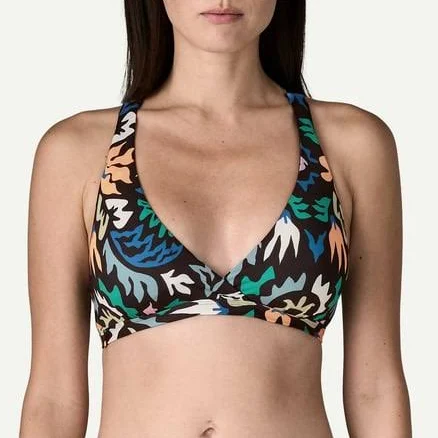
Patagonia
Patagonia Women's Bottom Turn Racerback Bikini Top
90/100 safety
Same rubric that flunked this product. The swap earned Excellent.
Still want this one anyway? Check the price on Amazon. We’d swap it.
Material
Nylon/spandex blend with water-repellent coating finish
Brand disclosure
Brand is silent on PFAS
Lab data
No public lab test
What Seafolly Women's Cap Sleeve Zip-Front One is made of, ingredients and materials
This swimsuit is constructed from a nylon and spandex (elastane) blend, a standard pairing in competitive and recreational swimwear. The water-repellent coating (water-repellent coating) finish is the critical unknown, most swim brands use either PFAS-based Teflon-family coating or newer PFAS-free alternatives, but Seafolly does not disclose which. Nylon itself is stable and non-toxic when new; spandex is similarly inert. The finish's durability and chemical composition determine whether degradation over time poses leaching risks.
What’s concerning
Category baseline
The starting point for this type of product, before anything specific to this product is counted.
No PFAS disclosure
No public statement from the brand about PFAS in this product.
Waterproof / stain-resistant treatment
Water-repellent coating treatments have historically used PFAS.
water-repellent coating degradation and leaching
Without disclosure of the water-repellent coating chemistry (PFAS vs. non-PFAS), breakdown products from the finish cannot be assessed. Nylon-spandex blends degrade faster in chlorine than salt; rinse frequency directly affects leaching risk.
Spandex elastic degradation and microfiber shedding
Spandex naturally breaks down over 2-3 years with chlorine exposure or UV; this produces microscopic fibers shed during wear and laundering. This is not unique to Seafolly but inherent to the material class and contributes to aquatic microplastic load.
What’s reassuring
Formaldehyde / VOCs
No public testing or recall involving formaldehyde has been reported for Seafolly swimwear. Standard nylon dyeing does not inherently require formaldehyde resins, though some manufacturers use them as anti-wrinkle finishes; Seafolly does not disclose.
Source, ATSDR ↗Heavy metals
Azo dyes are legal in swimwear and are not restricted for colorfast nylon. No specific heavy metal contamination has been reported in Seafolly products, and nylon dyes are typically non-toxic when fixed. Color bleeding in the first wash is cosmetic, not a safety signal.
Source, FDA ↗Antimony in polyester (not applicable)
This garment is nylon-spandex, not polyester, so antimony catalyst residue is not a relevant hazard.
The full breakdown
The brand's record and disclosure
Seafolly, an Australian swimwear brand owned by Abcellence Holdings, has no publicly available chemical disclosure policy, sustainability certification (OEKO-TEX, bluesign), or formal PFAS commitment on record. The brand does not list material sourcing, water-repellent coating treatment type, or testing results on product pages or corporate documents reviewed in public sources. This silence is typical of mainstream swimwear brands but falls short of transparency leaders like Patagonia or Finisterre, which explicitly declare PFAS-free status or PFAS-reduction roadmaps.
How it compares in its category
Nylon-spandex blends dominate mainstream swimwear; this product sits in the mid-market segment (price point circa USD 100-150). Competitors like TYR and Speedo also use nylon-spandex with undisclosed water-repellent coating finishes, placing Seafolly at parity for transparency and risk profile. Premium alternatives (Patagonia Nylon swimwear with PFAS-free treatment, or PrimaFiancha recycled nylon) offer explicit PFAS-free verification; budget brands (Old Navy, Amazon basics) carry the same disclosure gaps but lower price. Seafolly's competitive differentiation is aesthetic, not chemical safety.
If you buy it
Rinse thoroughly in fresh water after each saltwater or chlorinated use to remove residual water-repellent coating and salt, which can accelerate breakdown. Avoid machine drying and prolonged direct sunlight, as heat and UV degrade spandex elasticity and can cause micro-cracking of the water-repellent coating layer. Hand wash in cool water with mild detergent; air dry flat. Replace when elastic fails (typically 2-3 years of regular use) or when the fabric shows visible pilling or loss of water repellency, as this signals coating degradation and potential leaching risk.
What we don’t know
- Basis
- Model estimate, 42% confidence, not a lab result
- Lab test
- None on record for this exact product
- Brand statement
- Seafolly has made none
Formulations change between production runs, so check the current label. How we grade.
Better-graded alternatives in Swimwear
Patagonia
Women's Bottom Turn Racerback Bikini Top
- Nylon/polyester blend with elastane (standard swimwear)
- The brand calls it PFAS-free, which we have not verified
- Elastane (spandex) degradation under heat or chlorine
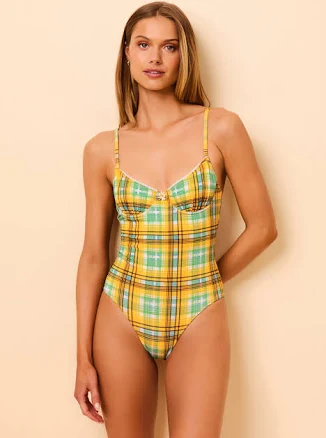
Solid & Striped
Taylor One Piece Seersucker Plaid
- Cotton/cotton-blend seersucker plaid
- We found no PFAS statement from the brand
- Azo dyes and colorfast stability
2 hazards checked on this product. See all of them.
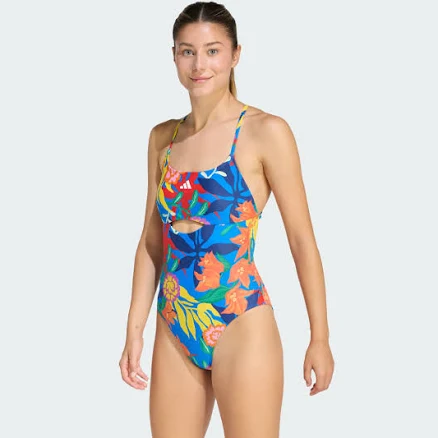
Adidas
Women's Mexicana Florals Tie-Back Swimsuit
- Polyester/nylon swimsuit fabric, likely uncoated or standard finish
- Azo dyes and synthetic colorants
4 hazards checked on this product. See all of them.
More swimwear grades
How we score, every product runs through the same public 0-100 rubric based on materials, coatings, brand disclosure, lab findings, and recalls. See the full methodology → Spotted a mistake? Report an error.