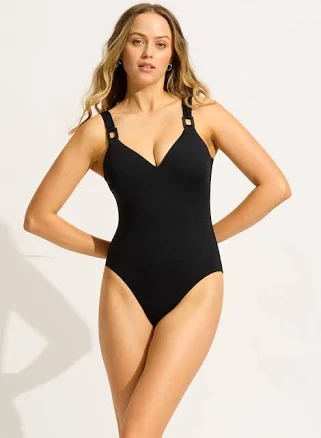
Seafolly Women's Collective DD One-Piece Swimsuit
Typical swimwear with water-repellent coating treatment; likely contains PFAS, unverified.
Seafolly's high-performance swimsuit likely receives water-repellent chemical treatment common in technical apparel. The brand makes no public PFAS claims or certifications.
The better-graded swap
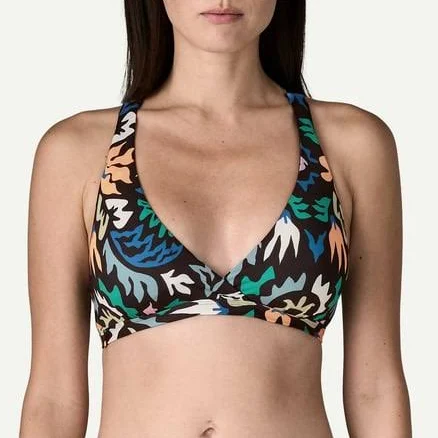
Patagonia
Patagonia Women's Bottom Turn Racerback Bikini Top
90/100 safety
Same rubric that flunked this product. The swap earned Excellent.
Still want this one anyway? Check the price on Amazon. We’d swap it.
Material
Nylon/polyester blend with water-repellent coating (water-repellent coating) finish
Brand disclosure
Brand is silent on PFAS
Lab data
No public lab test
What Seafolly Women's Collective DD One-Piece is made of, ingredients and materials
This swimsuit uses a nylon/polyester blend, a standard construction for durability and stretch in water-resistant apparel. The water-repellent coating (water-repellent coating) finish applied to the fabric is the primary chemical concern, water-repellent coating treatments historically relied on PFAS-based chemistry to achieve water shedding, though some manufacturers have begun transitioning to non-PFAS alternatives. The nylon and polyester themselves are stable synthetic polymers with low leaching risk under normal use, but the water-repellent coating is where chemical exposure most likely occurs, particularly during initial wear and laundering.
What’s concerning
Category baseline
The starting point for this type of product, before anything specific to this product is counted.
No PFAS disclosure
No public statement from the brand about PFAS in this product.
Waterproof / stain-resistant treatment
Water-repellent coating treatments have historically used PFAS.
water-repellent coating degradation and microfiber shedding
As the water-repellent coating finish wears with age and laundering, the underlying nylon/polyester can fragment into microfibers released during washing. This is a known environmental concern but poses no direct toxicological risk to the wearer.
Allergens from synthetic polymer sensitivity
Some individuals experience contact dermatitis or rash from nylon or polyester contact, particularly if skin is sensitive to residual finishing chemicals or dyes. This is uncommon but not unique to this brand and is more related to individual tolerance than product design.
What’s reassuring
Azo dyes in synthetic textile coloring
No public reports or recalls of restricted azo dye use in Seafolly swimwear. Nylon and polyester fabrics can be dyed with azo compounds, but color bleeding or skin irritation from this product has not been documented in accessible sources.
Antimony in polyester
Antimony trioxide is sometimes used as a catalyst in polyester synthesis. Levels in finished textiles are typically very low and tightly regulated in most markets; no specific concern has been raised for this Seafolly product.
Formaldehyde / VOCs
Water-repellent coating treatments and nylon production sometimes involve formaldehyde-based chemistry, but modern nylon/polyester blends sold in Western markets are not typically finished with high-release formaldehyde resins. No public reports or certifications flag this as a concern for Seafolly swimwear.
Source, ATSDR ↗The full breakdown
The brand's record and disclosure
Seafolly, an Australian swimwear brand owned by Pentland Group, has not published public statements on PFAS use, chemical restrictions, or supply-chain testing for this product line. No certifications such as OEKO-TEX Standard 100 or bluesign are mentioned in available product information. The brand does not appear to have signed commitments to PFAS phase-out like some competitors (e.g., Patagonia). This silence makes it impossible to confirm whether the water-repellent coating finish is PFAS-based or a newer alternative.
How it compares in its category
Most conventional water-resistant swimwear in the mid-market segment relies on water-repellent coating finishes that historically contain PFAS; Seafolly sits in this typical category with no public differentiation. Brands offering PFAS-free or certified alternatives (marked with OEKO-TEX or similar) are increasingly available at comparable price points. If PFAS exposure is a priority for you, this product offers no assurance of avoidance compared to competitors, though it also shows no unusual hazard profile relative to peers.
If you buy it
Wash before first wear to reduce surface residues from manufacturing and finishing. Rinse after saltwater or chlorinated pool use to prevent accelerated degradation of the water-repellent coating and fabric. Avoid high-heat drying (machine dry on low or air dry preferred); repeated heat can weaken the nylon/polyester blend and degrade the water-repellent coating layer. Replace the garment when elastic loses recovery, seams fray, or the fabric no longer sheds water reliably, typically after 2-3 seasons of regular use.
What we don’t know
- Basis
- Model estimate, 45% confidence, not a lab result
- Lab test
- None on record for this exact product
- Brand statement
- Seafolly has made none
Formulations change between production runs, so check the current label. How we grade.
Better-graded alternatives in Swimwear
Patagonia
Women's Bottom Turn Racerback Bikini Top
- Nylon/polyester blend with elastane (standard swimwear)
- The brand calls it PFAS-free, which we have not verified
- Elastane (spandex) degradation under heat or chlorine
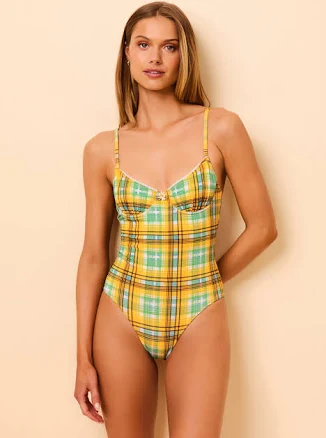
Solid & Striped
Taylor One Piece Seersucker Plaid
- Cotton/cotton-blend seersucker plaid
- We found no PFAS statement from the brand
- Azo dyes and colorfast stability
2 hazards checked on this product. See all of them.
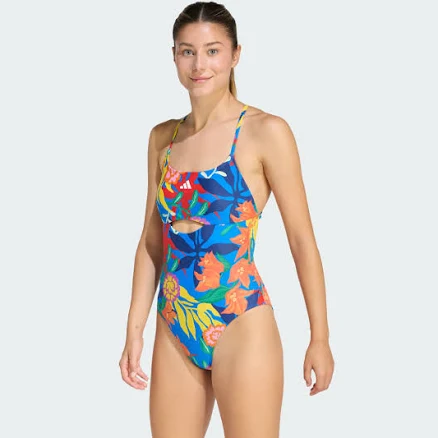
Adidas
Women's Mexicana Florals Tie-Back Swimsuit
- Polyester/nylon swimsuit fabric, likely uncoated or standard finish
- Azo dyes and synthetic colorants
4 hazards checked on this product. See all of them.
More swimwear grades
How we score, every product runs through the same public 0-100 rubric based on materials, coatings, brand disclosure, lab findings, and recalls. See the full methodology → Spotted a mistake? Report an error.