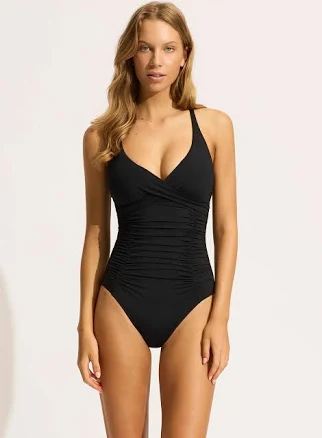
Seafolly Women's Collective MF Gathered WrapFront One Piece Swimwear
Avoid unless Seafolly discloses water-repellent coating composition; treatment may contain PFAS.
This synthetic one-piece with water-repellent finish typical of performance swimwear presents standard PFAS concern. Seafolly makes no public disclosure of water-repellent coating treatment chemistry or PFAS avoidance.
The better-graded swap
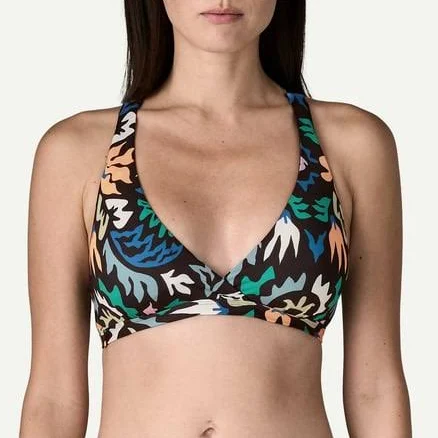
Patagonia
Patagonia Women's Bottom Turn Racerback Bikini Top
90/100 safety
Same rubric that flunked this product. The swap earned Excellent.
Still want this one anyway? Check the price on Amazon. We’d swap it.
Material
Nylon/polyamide blend with water-repellent treatment
Brand disclosure
Brand is silent on PFAS
Lab data
No public lab test
What Seafolly Women's Collective MF Gathered is made of, ingredients and materials
This one-piece uses a nylon/polyamide blend, a synthetic fiber chosen for durability, stretch, and quick-dry properties in swimwear. The garment includes a water-repellent (likely water-repellent coating or water-repellent coating) finish, which improves water shedding and longevity but is the primary chemical concern. Nylon itself is stable and not prone to off-gassing under normal use, but the surface treatment chemistry is opaque.
What’s concerning
Category baseline
The starting point for this type of product, before anything specific to this product is counted.
No PFAS disclosure
No public statement from the brand about PFAS in this product.
Waterproof / stain-resistant treatment
Water-repellent coating treatments have historically used PFAS.
PFAS
The water-repellent coating treatment is undisclosed; conventional nylon swimwear finishes commonly use per- and polyfluoroalkyl compounds. Seafolly's silence on chemistry suggests standard fluorinated chemistry, though no testing on this product exists in public databases.
Source, ATSDR ↗Azo dyes in polyamide
Nylon dyes may include azo compounds, which can release aromatic amines under stress (sweat, chlorine). Reputable manufacturers test and restrict prohibited azo dyes, but Seafolly's compliance standard is not publicly documented.
Formaldehyde / VOCs
Some water-repellent coating and elasticity-retention treatments historically used formaldehyde-releasing compounds. Modern brands have phased these out, but without Seafolly's chemical disclosure, presence cannot be ruled out. Skin contact risk is low if rinsed before wearing.
Source, ATSDR ↗Microplastic shedding
Synthetic nylon sheds microfibers during washing, a documented property of all polyamide textiles. Cumulative exposure is minimal per garment, but repeated laundering contributes to microplastic pollution; hand-washing and air-drying reduce shedding.
What’s reassuring
Flame retardants
Swimwear is not treated with flame retardants by standard practice, as elastomers and nylon lack the flammability concerns of furniture or children's sleepwear. No record of additives in this product.
Source, EPA ↗The full breakdown
The brand's record and disclosure
Seafolly is an Australian swimwear brand with no published transparency reports on chemical treatments, PFAS use, or manufacturing compliance certifications (such as OEKO-TEX or bluesign). The brand has not issued public statements about phasing fluorinated water repellents or adopting alternatives with lower PFAS concern. This silence is typical of mid-market swimwear producers but represents a meaningful disclosure gap.
How it compares in its category
Most mainstream swimwear brands (Seafolly included) rely on conventional fluorinated water-repellent coating finishes, which are cheaper and more durable than PFAS-free alternatives. Premium brands like Patagonia and some European lines have committed to PFAS-free chemistry, but transparency is rare across the category. Seafolly sits in the middle, quality construction but no sustainability leadership on chemical inputs.
If you buy it
Rinse the swimsuit in fresh water after each use to remove chlorine and salt, which degrade nylon and can concentrate any leachable residues. Wash in cool water with mild detergent monthly; avoid fabric softeners and bleach, which break down coatings. Air-dry away from direct heat and sunlight. Replace when elasticity visibly fails (typically 1-2 years of regular use) or if the fabric pilling or seams begin separating.
What we don’t know
- Basis
- Model estimate, 45% confidence, not a lab result
- Lab test
- None on record for this exact product
- Brand statement
- Seafolly has made none
Formulations change between production runs, so check the current label. How we grade.
Better-graded alternatives in Swimwear
Patagonia
Women's Bottom Turn Racerback Bikini Top
- Nylon/polyester blend with elastane (standard swimwear)
- The brand calls it PFAS-free, which we have not verified
- Elastane (spandex) degradation under heat or chlorine
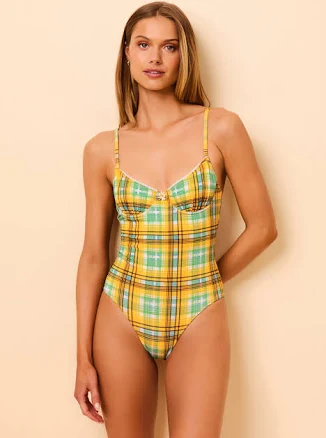
Solid & Striped
Taylor One Piece Seersucker Plaid
- Cotton/cotton-blend seersucker plaid
- We found no PFAS statement from the brand
- Azo dyes and colorfast stability
2 hazards checked on this product. See all of them.
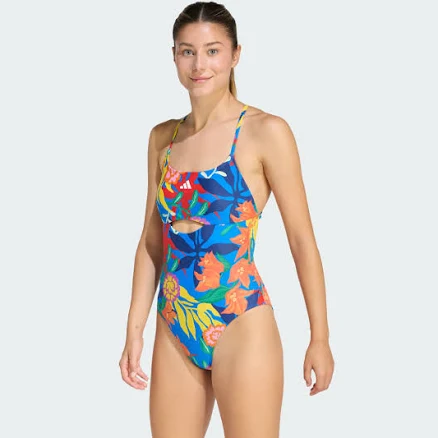
Adidas
Women's Mexicana Florals Tie-Back Swimsuit
- Polyester/nylon swimsuit fabric, likely uncoated or standard finish
- Azo dyes and synthetic colorants
4 hazards checked on this product. See all of them.
More swimwear grades
How we score, every product runs through the same public 0-100 rubric based on materials, coatings, brand disclosure, lab findings, and recalls. See the full methodology → Spotted a mistake? Report an error.