· Parchment Paper & Baking Liners
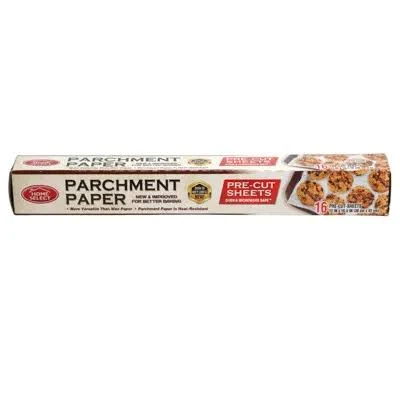
12 Wholesale Parchment Paper 16ct 12x16.5in PrE-Cut Sheets Home Select
Silicone-coated parchment paper with no disclosed PFAS information from the brand.
The product uses a silicone-based coating rather than a Teflon-family coating. The brand has no PFAS statement on record and does not disclose the coating chemistry in detail. Water and grease resistance in parchment coatings has historically involved PFAS.
The better-graded swap
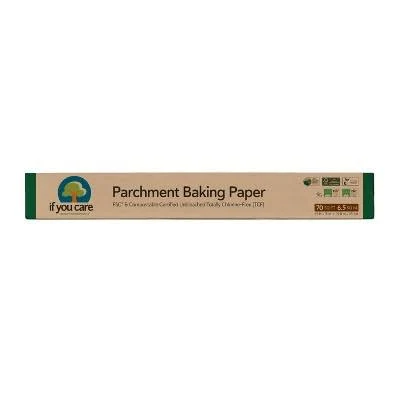
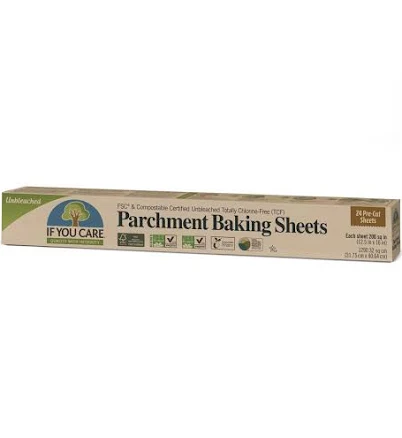
If You Care
If You Care Parchment Baking Paper
90/100 safety
Same rubric that flunked this product. The swap earned Excellent.
Still want this one anyway? Check the price on Amazon. We’d swap it.
Material
parchment paper, silicone-based coating
Lab data
No public lab test
You may also be interested in
Top-graded picks in the categories readers replace first, every one scored on the same rubric.

- polypropylene filter housing, carbon/sediment cartridge
- We found no PFAS statement from the brand
- Bacterial growth in spent cartridges
3 hazards checked on this product, all on its full breakdown.

Aquasure
Premier Series 75 GPD Under Sink Reverse Osmosis Water Filtration System
- RO membrane, carbon filters, stainless steel housing
- We found no PFAS statement from the brand
- Bacterial and microbial growth in housing and filters
4 hazards checked on this product, all on its full breakdown.

Avocado
Vegan Mattress
- organic cotton, natural latex, coconut coir, recycled steel coils
- The brand calls it PFAS-free, which we have not verified
- Heavy metals
2 hazards checked on this product, all on its full breakdown.
What 12 Wholesale Parchment Paper Home Select is made of, ingredients and materials
This product is cellulose-based parchment paper with a silicone-based non-stick coating applied to both sides. Silicone coatings are chemically stable and do not migrate into food at normal baking temperatures (up to 420-450°F). The cellulose substrate itself is food-grade and does not leach contaminants. Pre-cut sheets reduce handling and waste compared to rolls.
What’s concerning
Waterproof / stain-resistant treatment
Water-repellent coating treatments have historically used PFAS.
Category baseline
The starting point for this type of product, before anything specific to this product is counted.
No PFAS disclosure
No public statement from the brand about PFAS in this product.
silicone coating degradation
Silicone coatings remain stable below 420-450°F. At higher temperatures or prolonged exposure to direct heat, microscopic silicone particles may shed into food. No peer-reviewed data confirms harm at normal baking temperatures, but this remains a theoretical pathway for low-level silicone ingestion.
What’s reassuring
chlorine residues from bleaching
Standard parchment paper is treated with chlorine during manufacturing to achieve whiteness and opacity. FDA permits trace chlorine residues; no contamination or dioxin accumulation has been reported in commercial parchment paper products, including the brand.
adhesive or sizing migration
Pre-cut sheets may use small amounts of adhesive or sizing at perforation lines. These are food-grade and FDA-compliant; migration into food is negligible under normal use and storage conditions.
microplastic or particulate release
Parchment paper is cellulose-based, not plastic, and does not fragment into microplastics when heated at normal baking temperatures. Physical degradation (tearing, crumbling) occurs only if product is over-heated or stored poorly.
How is this PFAS grade calculated?
The brand's record and disclosure
The brand is a certified B Corporation with public commitments to transparency and reduced chemical use. The brand does not heavily advertise PFAS avoidance for this specific product, which is typical industry-wide silence on parchment paper formulations. No recalls or contamination incidents are on record for parchment paper. The company maintains third-party certifications for many product lines, though PFAS testing is not systematically disclosed.
How it compares in its category
Parchment paper presents lower concern than single-use plastic wrap or aluminum foil for most applications because it does not release volatile compounds or transfer metals. Silicone-coated parchment is the industry standard and functionally equivalent across major brands. Unbleached or chlorine-free parchment (if labeled) may reduce dioxin residues from processing, but standard parchment is already very low-risk. Pre-cut sheets offer no safety advantage over rolls except convenience.
If you buy it
Use at temperatures up to 420°F; silicone begins to degrade above 500°F and may off-gas. Do not use on direct flame or under a broiler. Replace sheets if they yellow, tear, or lose non-stick properties; this indicates coating failure. Store in a cool, dry place; silicone coatings are stable indefinitely if not heat-damaged. One box (16 sheets) is adequate for occasional home baking; commercial or high-frequency users should monitor coating wear.
What is not known about PFAS in this product?
- Basis
- Model estimate, 68% confidence, not a lab result
- Lab test
- None on record for this exact product
- Brand statement
- has made a specific claim
Formulations change between production runs, so check the current label. How we grade.
What are the PFAS-free alternatives to 12 Wholesale Parchment Paper 16ct 12x16.5in PrE-Cut Sheets Home Select?
- silicone-coated parchment paper
- The brand calls it PFAS-free, which we have not verified
- Paper degradation and particulate shedding
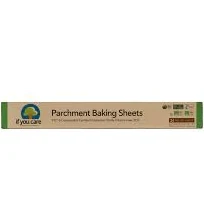
- unbleached paper with silicone coating
- The brand calls it PFAS-free, which we have not verified
- Silicone coating degradation at high heat
- bleached paper with silicone coating
- The brand calls it PFAS-free, which we have not verified
- Paper degradation and fragmentation
More parchment paper & baking liners grades
How we score, every product runs through the same public 0-100 rubric based on materials, coatings, brand disclosure, lab findings, and recalls. See the full methodology → Spotted a mistake? Report an error.