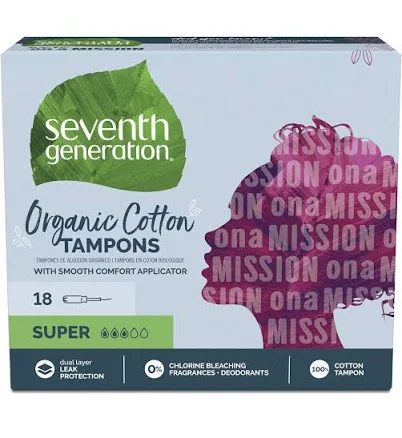
Seventh Generation Organic Cotton Tampons with Comfort Applicator Super Absorbency, White
Organic cotton with no treatment on record, and no PFAS statement from the brand.
Seventh Generation tampons use organic cotton and cardboard applicator, materials not linked to PFAS. No coating or treatment reported on the product. The brand has no PFAS statement on record.
We flunk more products than we pass. This one earned its grade. How we grade
Material
Organic cotton, cardboard applicator
Lab data
No public lab test
You may also be interested in
Top-graded picks in the categories readers replace first, every one scored on the same rubric.

- polypropylene filter housing, carbon/sediment cartridge
- We found no PFAS statement from the brand
- Bacterial growth in spent cartridges
3 hazards checked on this product, all on its full breakdown.

Aquasure
Premier Series 75 GPD Under Sink Reverse Osmosis Water Filtration System
- RO membrane, carbon filters, stainless steel housing
- We found no PFAS statement from the brand
- Bacterial and microbial growth in housing and filters
4 hazards checked on this product, all on its full breakdown.

Avocado
Vegan Mattress
- organic cotton, natural latex, coconut coir, recycled steel coils
- The brand calls it PFAS-free, which we have not verified
- Heavy metals
2 hazards checked on this product, all on its full breakdown.
What Seventh Generation Organic Cotton White is made of, ingredients and materials
This product uses certified organic cotton as the absorbent core, which means it was grown without synthetic pesticides or fertilizers. The cardboard applicator is a natural, non-plastic alternative that avoids leaching concerns tied to synthetic polymers. Organic cotton in period products is significant because conventional cotton is heavily pesticide-treated during cultivation; organic eliminates that pathway for residue transfer to sensitive skin. The white color suggests minimal or no chlorine bleaching, though full bleach disclosure is not always transparent in marketing.
What’s concerning
Category baseline
The starting point for this type of product, before anything specific to this product is counted.
No PFAS disclosure
No public statement from the brand about PFAS in this product.
Chlorine bleaching byproducts (dioxins, chlorinated organics)
Product labeling does not explicitly state 'chlorine-free' or 'TCF (totally chlorine-free)' processing. White color may indicate some bleaching; industry standard is ECF (elemental chlorine-free), which poses lower dioxin formation risk than older chlorine methods. Full process transparency is not disclosed.
What’s reassuring
Base material not linked to PFAS
The main material recorded for this product is not one associated with PFAS.
Pesticide residue
Organic certification specifically excludes synthetic pesticides and fertilizers used in conventional cotton. No pesticide residue detections have been reported in organic cotton tampons meeting GOTS standards.
Source, EPA ↗Formaldehyde / VOCs
Organic cotton and simple cardboard applicator do not require formaldehyde-releasing resins for wrinkle resistance or durability. No formaldehyde finish is typical for tampons in this category.
Source, ATSDR ↗Dyes, inks, and colorants on packaging or applicator
The product itself is white cotton with no dyes applied. Packaging uses food-grade cardboard and standard soy or plant-based inks, which carry minimal toxicity. No azo dyes or antimony stabilizers are involved.
Bacterial contamination from storage or manufacturing defect
Tampons are individually wrapped and sterile at manufacturing. Seventh Generation operates under FDA oversight for medical devices (tampons are Class II devices). No recalls for bacterial contamination are on record for this brand.
How is this PFAS grade calculated?
The brand's record and disclosure
Seventh Generation is owned by Unilever and has built a reputation for transparency in ingredient labeling and sustainability commitments. The brand publishes environmental and safety certifications (GOTS for organic cotton, chlorine-free processing certifications) on packaging and website. No major product recalls or undisclosed chemical contamination incidents are on record for this product line. The brand's silence on PFAS is consistent with the period-care industry norm, where disclosure remains sparse despite growing scrutiny.
How it compares in its category
Organic cotton tampons represent a mid-to-premium segment focused on reducing pesticide exposure and plastic waste. Compared to conventional tampons (often bleached with chlorine and made from non-organic cotton), this product carries lower risk of agrochemical residues. Compared to 100% plastic-free alternatives like menstrual cups or period underwear, tampons (organic or not) generate waste but avoid concerns about reusable-item bacterial growth or heat leaching. The cardboard applicator is a meaningful differentiation from plastic applicators, which pose no established chemical risk but create landfill burden.
If you buy it
Use as directed; tampons are designed for single-use and should be changed every 4 to 8 hours to reduce toxic shock syndrome risk. Store in a cool, dry place; organic cotton has no heat-sensitivity or leaching concerns under normal storage. The cardboard applicator degrades readily if exposed to moisture, so keep the box sealed until use. Discard applicators and tampons in trash or composting systems (never flush cardboard); some municipal composting facilities accept organic cotton period products.
What is not known about PFAS in this product?
- Basis
- Model estimate, 78% confidence, not a lab result
- Lab test
- None on record for this exact product
- Brand statement
- Seventh Generation has made a specific claim
Formulations change between production runs, so check the current label. How we grade.
What are the PFAS-free alternatives to Seventh Generation Organic Cotton Tampons with Comfort Applicator Super Absorbency, White?
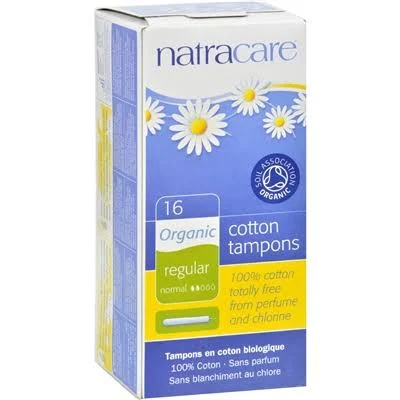
- 100% organic cotton
- A third party reports verifying it as PFAS-free
- Heavy metals
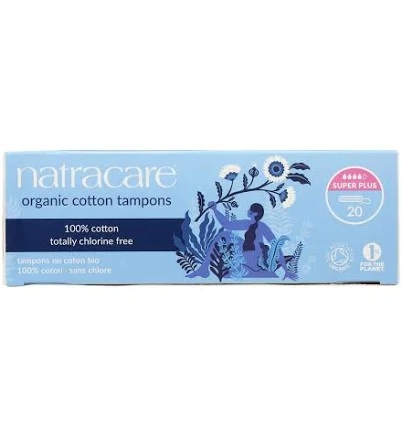
Natracare
Organic Super Plus Tampons, 3 x 20 ct
- organic cotton, cardboard applicator
- The brand calls it PFAS-free, which we have not verified
- Dioxins from bleaching
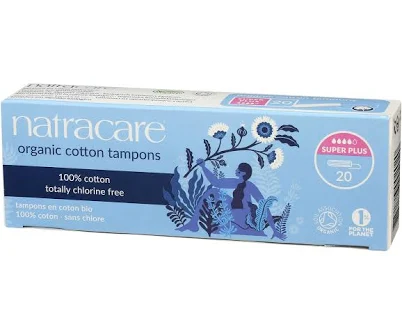
Natracare
Organic Cotton Super Plus Tampons
- organic cotton, no added fluorochemicals
- The brand calls it PFAS-free, which we have not verified
- Verified PFAS-free by a third party
More tampons grades
How we score, every product runs through the same public 0-100 rubric based on materials, coatings, brand disclosure, lab findings, and recalls. See the full methodology → Spotted a mistake? Report an error.