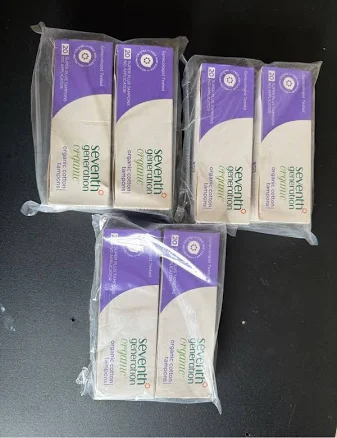
Seventh Generation Tampons Super Non-Applicator Organic Cotton 120count
Lower concern; organic cotton inherently PFAS-resistant.
Seventh Generation tampons are organic cotton with no disclosed coatings or water-resistant treatments. Standard cotton menstrual products carry minimal PFAS risk, though brand provides no explicit PFAS statement.
We flunk more products than we pass. This one earned its grade. How we grade
Material
Organic cotton, no surface treatment disclosed
Lab data
No public lab test
You may also be interested in
Top-graded picks in the categories readers replace first, every one scored on the same rubric.

- polypropylene filter housing, carbon/sediment cartridge
- We found no PFAS statement from the brand
- Bacterial growth in spent cartridges
3 hazards checked on this product, all on its full breakdown.

Aquasure
Premier Series 75 GPD Under Sink Reverse Osmosis Water Filtration System
- RO membrane, carbon filters, stainless steel housing
- We found no PFAS statement from the brand
- Bacterial and microbial growth in housing and filters
4 hazards checked on this product, all on its full breakdown.

Avocado
Vegan Mattress
- organic cotton, natural latex, coconut coir, recycled steel coils
- The brand calls it PFAS-free, which we have not verified
- Heavy metals
2 hazards checked on this product, all on its full breakdown.
What Seventh Generation Tampons Cotton 120count is made of, ingredients and materials
This product is constructed from certified organic cotton, which means it is grown without synthetic pesticides, herbicides, or fertilizers. Organic cotton inherently avoids residues from agricultural chemicals that can accumulate in conventional cotton. The non-applicator design eliminates plastic packaging waste and removes a potential source of BPA or phthalate exposure from applicator polymers. No rayon, bleach brighteners, or surfactants are disclosed on the label, reducing chemical processing burden compared to standard tampon bleaching protocols.
What’s concerning
Category baseline
The starting point for this type of product, before anything specific to this product is counted.
No PFAS disclosure
No public statement from the brand about PFAS in this product.
Microplastic or fiber shedding during use
Cotton fiber naturally sheds and is biodegradable; no microplastic concern. However, any non-cotton components (string, packaging) should be checked for synthetic materials. Seventh Generation's standard string is typically cotton or viscose, but product variations should be confirmed on the label.
What’s reassuring
Base material not linked to PFAS
The main material recorded for this product is not one associated with PFAS.
Dioxin and furan residues from bleaching
Organic cotton avoids conventional cotton agricultural residues, but no public testing data confirms dioxin levels in this specific product. Legacy chlorine bleaching of pulp fibers is a known concern in conventional tampons; organic certification does not explicitly prohibit all bleaching, though Seventh Generation does not disclose bleach type.
Formaldehyde / VOCs
No surface treatment or resin finish is disclosed for this product. Formaldehyde-based cross-linking resins are occasionally used in conventional tampon manufacture for absorbency enhancement; organic certifications typically exclude these, but no third-party verification of absence is on public record for this line.
Source, ATSDR ↗Talc or talc-like mineral contamination
Talc is not a disclosed ingredient or processing aid for Seventh Generation tampons. This hazard is primarily relevant to powdered applicators or loose-fill personal care products; non-applicator tampons do not use powder.
Fragrance allergen exposure
This product is unscented and does not list fragrance agents. Conventional scented tampons can trigger contact dermatitis or allergic reactions; the absence of fragrance in this product eliminates that pathway.
How is this PFAS grade calculated?
The brand's record and disclosure
Seventh Generation is known for transparency about ingredient sourcing and has been a leader in chemical disclosure within the personal care sector. The brand does not prominently advertise PFAS testing or PFAS-free claims, but the choice of organic cotton as a base material sidesteps most manufacturing pathways where PFAS would be intentionally added. The company holds certifications from the Organic Content Standard (OCS) and makes periodic environmental impact disclosures, though specific testing data for this tampon line is not publicly available.
How it compares in its category
Organic cotton tampons occupy a premium safety tier within menstrual products. Conventional tampons often use bleached wood pulp or rayon blended with cotton, which can retain trace dioxins from legacy chlorine-bleaching processes. Non-applicator tampons eliminate the plastic applicator chemical load entirely, whereas cardboard or plastic applicators introduce additional manufacturing residues. Seventh Generation's organic positioning places it above mass-market alternatives like Tampax or Kotex in terms of chemical precaution, though clinical efficacy and absorbency are identical across FDA-cleared products.
If you buy it
No special storage or handling conditions are required beyond keeping the product dry and away from humidity to prevent mold. The non-applicator format requires familiarity with insertion technique; users new to this style should begin with the smallest size if available. Tampons should be changed every 4-8 hours to reduce toxic shock syndrome risk, regardless of brand. Discontinue use immediately if you experience unusual odor, discoloration of the product, or signs of contamination before opening the box.
What is not known about PFAS in this product?
- Basis
- Model estimate, 75% confidence, not a lab result
- Lab test
- None on record for this exact product
- Brand statement
- Seventh Generation has made a specific claim
Formulations change between production runs, so check the current label. How we grade.
What are the PFAS-free alternatives to Seventh Generation Tampons Super Non-Applicator Organic Cotton 120count?
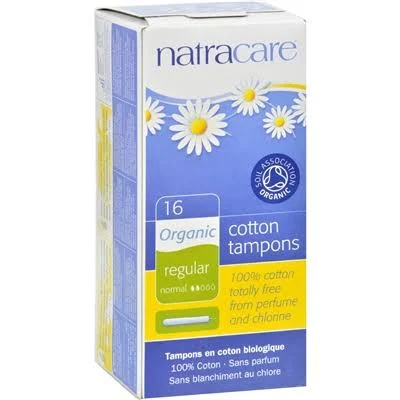
- 100% organic cotton
- A third party reports verifying it as PFAS-free
- Heavy metals
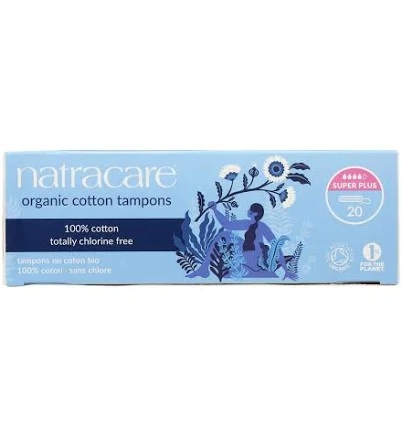
Natracare
Organic Super Plus Tampons, 3 x 20 ct
- organic cotton, cardboard applicator
- The brand calls it PFAS-free, which we have not verified
- Dioxins from bleaching
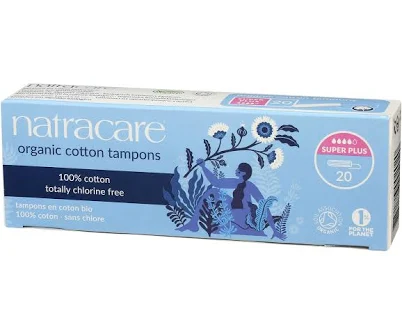
Natracare
Organic Cotton Super Plus Tampons
- organic cotton, no added fluorochemicals
- The brand calls it PFAS-free, which we have not verified
- Verified PFAS-free by a third party
More tampons grades
How we score, every product runs through the same public 0-100 rubric based on materials, coatings, brand disclosure, lab findings, and recalls. See the full methodology → Spotted a mistake? Report an error.