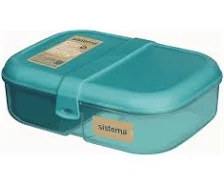
Sistema PDQ 1.1L Ribbon Lunch to Go OBPP
Lower concern lunch container, no known PFAS source identified.
Sistema PDQ is a rigid polypropylene food container with no disclosed coatings or water-repellent treatments. Polypropylene itself carries lower PFAS risk, though brand makes no explicit PFAS commitment.
We flunk more products than we pass. This one earned its grade. How we grade
Material
polypropylene (PP) plastic container
Brand disclosure
Brand is silent on PFAS
Lab data
No public lab test
What Sistema PDQ 1.1L Ribbon Lunch to Go OBPP is made of, ingredients and materials
The Sistema PDQ 1.1L Ribbon container is injection-molded polypropylene (PP), a thermoplastic with a melting point around 130°C. PP does not contain BPA or phthalates by formulation, and is generally considered chemically stable at room temperature and moderate heat. However, PP can leach small amounts of oligomers (incomplete polymer chains) if exposed to prolonged heat, extended contact with certain solvents, or repeated stress cycles. As a lunch container designed for cold or ambient-temperature foods, the material itself presents lower leaching risk compared to containers marketed for hot beverages.
What’s concerning
Category baseline
The starting point for this type of product, before anything specific to this product is counted.
No PFAS disclosure
No public statement from the brand about PFAS in this product.
Oligomer and monomer leaching
PP containers can release small quantities of incompletely polymerized chains under prolonged heat, mechanical stress, or high-contact scenarios. Risk is minimal at room temperature and for typical lunch-storage use; microwave or dishwasher heat significantly elevates this possibility.
Microplastics
Repeated thermal cycling, scratching, or aging can fragment the PP surface into microparticles. This is a concern if the container is used heavily for years or subjected to abrasive cleaning; normal use and gentle care minimize this risk.
Source, EPA ↗What’s reassuring
Base material not linked to PFAS
The main material recorded for this product is not one associated with PFAS.
BPA & bisphenols
Polypropylene is not formulated with BPA or phthalate plasticizers by material chemistry. No recalls or contamination reports exist for this product.
Source, FDA ↗Lid seal and food contact integrity
No established hazards on record for the lid gasket or seal materials. However, worn seals may allow bacterial growth if the container is left in warm environments; replace seals or container if the lid no longer closes tightly.
Coating or surface treatment hazards
No coatings (ceramic, non-stick, or otherwise) are named in the product specification. The container is uncoated molded plastic, so coating-related hazards do not apply.
The full breakdown
The brand's record and disclosure
Sistema (Townshend Group, New Zealand) produces food-storage and kitchenware products with presence in North America and Europe. The company has not published detailed third-party testing results or materials transparency statements on their public website for this product line. No recalls or material hazard warnings specific to the PDQ 1.1L Ribbon model are on record with regulatory agencies (FDA, CPSC, or equivalent). Their silent PFAS stance means no affirmative disclosure of PFAS testing or avoidance; absence of reported contamination does not confirm testing was performed.
How it compares in its category
Polypropylene lunch containers are among the most common reusable food-storage options and carry a lower chemical-leaching profile than rigid polycarbonate (which may contain BPA) or polyvinyl chloride (PVC, which can contain phthalates and unstabilized lead). The PDQ 1.1L sits in the mainstream segment; competitors like Rubbermaid Brilliance (also PP) and Pyrex glass offer similar or comparable safety profiles. Glass alternatives eliminate plastic-leaching concerns but add breakage risk and weight; stainless steel eliminates leaching but may be less airtight.
If you buy it
Use this container for cold or room-temperature foods (salads, sandwiches, leftovers at ambient storage). Do not place it in the dishwasher's heated drying cycle or microwave unless the manufacturer explicitly states microwave safety; repeated heat exposure can stress the polymer and increase oligomer migration. Replace the container if you notice cloudiness, cracks, or persistent staining that suggests degradation. Hand wash with warm (not hot) soapy water and air dry; avoid prolonged contact with acidic foods (citrus, vinegar) in high heat, though this is low-risk at room temperature.
What we don’t know
- Basis
- Model estimate, 72% confidence, not a lab result
- Lab test
- None on record for this exact product
- Brand statement
- Sistema has made none
Formulations change between production runs, so check the current label. How we grade.
Better-graded alternatives in Lunch Boxes
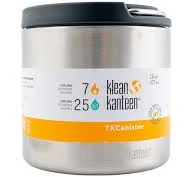
Klean Kanteen
Double Wall Vacuum Insulated Stainless Steel Food Canister Container with Leak Proof Lid
- Stainless steel body, silicone gasket lid seal
- The brand calls it PFAS-free, which we have not verified
- Silicone gasket degradation
3 hazards checked on this product. See all of them.
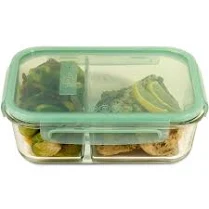
Snapware
Meal Box Glass
- borosilicate glass
- We found no PFAS statement from the brand
- Leaching from glass matrix or lid seals
2 hazards checked on this product. See all of them.
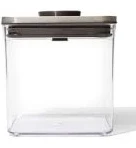
OXO
Steel Pop Big Square Short - 2.8 Qt/2.6 l
- Stainless steel container, no surface treatment
- Lid/gasket polymer leaching
3 hazards checked on this product. See all of them.
More lunch boxes grades
How we score, every product runs through the same public 0-100 rubric based on materials, coatings, brand disclosure, lab findings, and recalls. See the full methodology → Spotted a mistake? Report an error.