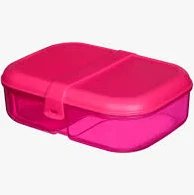
Sistema Ribbon Lunch Box 1,1 L
Lower concern; common rigid plastic lunch box with no known PFAS risk.
Sistema Ribbon lunch boxes are primarily polypropylene plastic containers. No PFAS coatings, nonstick treatments, or water-repellent finishes are typical for this product category.
We flunk more products than we pass. This one earned its grade. How we grade
Material
Polypropylene (PP) plastic
Brand disclosure
Brand is silent on PFAS
Lab data
No public lab test
What Sistema Ribbon Lunch Box 1,1 L is made of, ingredients and materials
This lunch box is polypropylene (PP), a thermoplastic polymer commonly used in food storage because it resists cracking and has a higher melting point than many plastics. PP does not contain BPA or BPS by formulation, and polypropylene itself does not leach estrogen-mimicking chemicals under normal use. The material is FDA-approved for food contact in the US and meets equivalent regulations in most markets where Sistema operates. The main concern with any rigid plastic lunch box is whether colored pigments or surface treatments introduce contaminants, though no recalls or safety alerts on record for this specific product.
What’s concerning
Category baseline
The starting point for this type of product, before anything specific to this product is counted.
No PFAS disclosure
No public statement from the brand about PFAS in this product.
Microplastics
PP is more stable than soft plastics when warmed, but repeated heating cycles and UV exposure can degrade the polymer over years, potentially leading to minor particulate or monomer leaching. This is a slow process under normal use; risk is low for cold and room-temperature foods.
Source, EPA ↗Lid seal degradation and mold risk
The snap-lock lid mechanism relies on a silicone or plastic seal; poor washing, dishwasher use, or prolonged moisture exposure can degrade this seal, allowing mold or bacterial growth if contents are stored in a damp state for extended periods. This is a maintenance issue, not a material toxicity issue.
What’s reassuring
Base material not linked to PFAS
The main material recorded for this product is not one associated with PFAS.
BPA & bisphenols
Polypropylene does not contain BPA or BPS as part of its base chemistry. No reports of these compounds in Sistema PP lunch boxes.
Source, FDA ↗Phthalates
Rigid polypropylene typically does not require phthalate plasticizers; this material achieves its flexibility and durability through polymer structure. No evidence of phthalate additives in this product category.
Source, ATSDR ↗Pigment and colorant toxicity
Sistema lunch boxes are typically colored with standard polymer-grade colorants that meet food-contact regulations; no specific contamination recalls or dye-toxicity reports on record. Azo dyes are not typically used in rigid plastic food containers, though this is not explicitly confirmed for this product.
The full breakdown
The brand's record and disclosure
Sistema is a New Zealand-based manufacturer with a long history in food-storage products; the brand does not publicly disclose detailed material sourcing or third-party testing for this category. No major recalls, safety controversies, or regulatory actions are on record for Sistema lunch boxes. The company has not taken a visible stance on PFAS avoidance or BPA elimination, which suggests either silent compliance with minimum standards or lack of marketing differentiation on this front. Absence of disclosure does not indicate a problem, but it also means independent verification is limited.
How it compares in its category
Polypropylene lunch boxes are the mid-range standard; they are more durable and heat-tolerant than PET (clear plastic bottles) but less chemically inert than glass. Sistema competes with brands like Rubbermaid, OXO, and Tupperware in the rigid plastic lunch-box market; all rely on similar PP formulations. This product sits in the typical safety profile for its material class, no inherent BPA risk, lower leaching potential than soft plastics, and suitable for room-temperature and warm (not hot) foods. The trade-off is that PP can absorb stains and odors over time, but this is cosmetic rather than a safety issue.
If you buy it
Avoid putting very hot food or boiling water directly into the box; polypropylene begins to soften above 65-70 degrees Celsius. Wash by hand or on a gentle machine cycle to prevent lid seal degradation, which can compromise the airtight function. Do not use in a microwave unless the lid is removed and the container is labeled microwave-safe (check the product packaging). Replace the container if the plastic becomes visibly cracked, cloudy, or if the snap-lock lid no longer seals; degraded plastic can leach more readily. Store away from direct sunlight to slow polymer aging and color fading.
What we don’t know
- Basis
- Model estimate, 72% confidence, not a lab result
- Lab test
- None on record for this exact product
- Brand statement
- Sistema has made none
Formulations change between production runs, so check the current label. How we grade.
Better-graded alternatives in Lunch Boxes
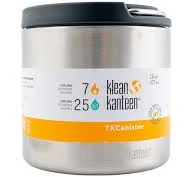
Klean Kanteen
Double Wall Vacuum Insulated Stainless Steel Food Canister Container with Leak Proof Lid
- Stainless steel body, silicone gasket lid seal
- The brand calls it PFAS-free, which we have not verified
- Silicone gasket degradation
3 hazards checked on this product. See all of them.
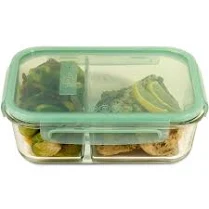
Snapware
Meal Box Glass
- borosilicate glass
- We found no PFAS statement from the brand
- Leaching from glass matrix or lid seals
2 hazards checked on this product. See all of them.
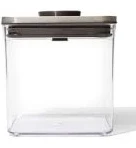
OXO
Steel Pop Big Square Short - 2.8 Qt/2.6 l
- Stainless steel container, no surface treatment
- Lid/gasket polymer leaching
3 hazards checked on this product. See all of them.
More lunch boxes grades
How we score, every product runs through the same public 0-100 rubric based on materials, coatings, brand disclosure, lab findings, and recalls. See the full methodology → Spotted a mistake? Report an error.