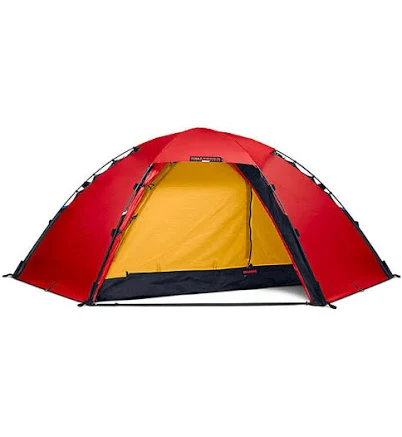
Hilleberg · Camping Tents & Tarps
Hilleberg Staika 2 Person Tent
High uncertainty. water-repellent coating tent coatings often contain PFAS; no disclosure available.
Hilleberg tents typically use water-repellent coating coatings, which frequently contain PFAS, but Skandika provides no public specification. Contact manufacturer directly for coating details.
Still want this one anyway? Check the price on Amazon. We’d swap it.
Material
Polyester fabric with water-repellent coating waterproof coating
Brand disclosure
Brand is silent on PFAS
Lab data
No public lab test
You may also be interested in
Top-graded picks in the categories readers replace first, every one scored on the same rubric.

- polypropylene filter housing, carbon/sediment cartridge
- We found no PFAS statement from the brand
- Bacterial growth in spent cartridges
3 hazards checked on this product, all on its full breakdown.

Aquasure
Premier Series 75 GPD Under Sink Reverse Osmosis Water Filtration System
- RO membrane, carbon filters, stainless steel housing
- We found no PFAS statement from the brand
- Bacterial and microbial growth in housing and filters
4 hazards checked on this product, all on its full breakdown.

Avocado
Vegan Mattress
- organic cotton, natural latex, coconut coir, recycled steel coils
- The brand calls it PFAS-free, which we have not verified
- Heavy metals
2 hazards checked on this product, all on its full breakdown.
What Hilleberg Staika 2 Person Tent is made of, ingredients and materials
The Staika 2 uses polyester fabric as its primary shell material, a synthetic polymer chosen for durability, water resistance, and cost. The fabric is treated with a water-repellent coating (water-repellent coating) coating to shed rain. water-repellent coating coatings on outdoor textiles have historically relied on PFAS chemicals, though some manufacturers have begun switching to PFAS-free alternatives; Hilleberg/Skandika does not publicly disclose which approach they use for this model. Polyester itself is stable under normal use and does not off-gas formaldehyde or volatile organic compounds the way some treated fabrics do.
What’s concerning
Waterproof / stain-resistant treatment
Water-repellent coating treatments have historically used PFAS.
Category baseline
The starting point for this type of product, before anything specific to this product is counted.
No PFAS disclosure
No public statement from the brand about PFAS in this product.
Azo dyes or azo dye residues
Polyester tent fabric is dyed; if non-compliant azo dyes were used, they can break down to carcinogenic amines under UV exposure or in skin contact. Skandika does not disclose dye sourcing or compliance with REACH or other azo restrictions. Risk is low with established manufacturers but cannot be ruled out without testing.
Antimony in polyester
Antimony trioxide is a common catalyst in polyester production; residual antimony can leach if fabric is heated or under acidic conditions. Tent use (outdoor, rain-exposed, no ingestion) presents minimal leaching risk, but long-term storage in hot environments could theoretically increase it. Hilleberg does not test or report residual antimony levels.
water-repellent coating degradation and microparticle shedding
As water-repellent coating coatings wear, they shed microscopic particles into water and air. If the coating contains PFAS, these particles carry PFAS compounds. Washing also accelerates coating breakdown. This is a documented concern for all coated outdoor textiles, though health impact from outdoor tent use is indirect (mainly via wastewater and ecosystems).
Volatile organic compound (VOC) off-gassing
New polyester tents with freshly applied water-repellent coating may emit slight chemical odor for the first days to weeks, reflecting solvent residues or volatile components in the coating. The smell typically dissipates with airing. Hilleberg does not publish VOC testing data. Risk is minimal for outdoor use and short-term indoor storage.
What’s reassuring
Formaldehyde / VOCs
Polyester textiles do not typically require formaldehyde-based finishing resins. No evidence of formaldehyde-releasing treatments in polyester tent fabrics. Not a documented concern for this product category.
Source, ATSDR ↗How is this PFAS grade calculated?
The brand's record and disclosure
Skandika/Hilleberg has not published transparency reports on chemical inputs, certifications like Bluesign or OEKO-TEX, or explicit statements ruling out PFAS in their water-repellent coating treatments. This silence is significant in the outdoor gear industry, where competitors like Patagonia and Arc'teryx have begun disclosing PFAS-free options. No recalls related to chemical hazards are publicly recorded for the Staika 2. The brand's lack of proactive communication on this issue makes independent verification of water-repellent coating composition impossible.
How it compares in its category
Most 2-person backpacking tents in the midrange use polyester with water-repellent coating coatings; the Staika 2 is representative, not an outlier. Some premium competitors (Nemo, Big Agnes) now offer certified PFAS-free water-repellent coating versions, while budget brands rarely disclose. Scandinavian manufacturers like Hilleberg are expected to meet Nordic chemical regulations but do not always advertise compliance. Without explicit certification, this tent sits in the large middle category of unknown PFAS exposure.
If you buy it
Wash the tent infrequently and with plain water or mild soap only; harsh detergents can strip the water-repellent coating and potentially mobilize coating particles. Do not machine wash or dry clean. Store dry and unfolded when possible to avoid prolonged contact with moist fabric. Inspect seams and fabric annually for tears or degradation; once the water-repellent coating wears visibly (water beads less, darkens the fabric more), consider replacement if PFAS concerns weigh on you. Do not expose to extreme heat (direct sun storage in hot vehicles).
What is not known about PFAS in this product?
- Basis
- Model estimate, 35% confidence, not a lab result
- Lab test
- None on record for this exact product
- Brand statement
- Hilleberg has made none
Formulations change between production runs, so check the current label. How we grade.
More camping tents & tarps grades
How we score, every product runs through the same public 0-100 rubric based on materials, coatings, brand disclosure, lab findings, and recalls. See the full methodology → Spotted a mistake? Report an error.