Skandika · Camping Tents & Tarps
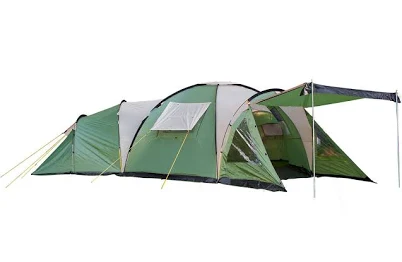
Skandika Corsica 10 Camping Tent 10-person Team Tent Large Tent 10 Man
High uncertainty; camping tent waterproof coating composition unspecified.
Skandika provides no disclosure on the waterproof treatment used on this polyester tent. PFAS-based water-repellent coating coatings are common in outdoor gear; independent lab testing unavailable for this model.
Still want this one anyway? Check the price on Amazon. We’d swap it.
Material
polyester fabric with waterproof coating
Brand disclosure
Brand is silent on PFAS
Lab data
No public lab test
You may also be interested in
Top-graded picks in the categories readers replace first, every one scored on the same rubric.

- polypropylene filter housing, carbon/sediment cartridge
- We found no PFAS statement from the brand
- Bacterial growth in spent cartridges
3 hazards checked on this product, all on its full breakdown.

Aquasure
Premier Series 75 GPD Under Sink Reverse Osmosis Water Filtration System
- RO membrane, carbon filters, stainless steel housing
- We found no PFAS statement from the brand
- Bacterial and microbial growth in housing and filters
4 hazards checked on this product, all on its full breakdown.

Avocado
Vegan Mattress
- organic cotton, natural latex, coconut coir, recycled steel coils
- The brand calls it PFAS-free, which we have not verified
- Heavy metals
2 hazards checked on this product, all on its full breakdown.
What Skandika Corsica 10 Camping Tent Man is made of, ingredients and materials
The Skandika Corsica uses polyester fabric, a synthetic polymer that is chemically stable and does not typically leach harmful substances when intact. The waterproof coating applied to polyester is the primary concern here; most tent coatings are either polyurethane-based or fluorocarbon-based (PFAS), and Skandika has not publicly disclosed which type is used on this model. Polyester fabric itself carries minimal chemical hazard in normal outdoor use, but the coating durability and off-gassing profile remain unclear from available product documentation.
What’s concerning
Waterproof / stain-resistant treatment
Water-repellent coating treatments have historically used PFAS.
Category baseline
The starting point for this type of product, before anything specific to this product is counted.
No PFAS disclosure
No public statement from the brand about PFAS in this product.
Volatile organic compounds (VOCs) from waterproof coating
Budget polyester tents typically off-gas in the first few days to weeks, especially in warm conditions. Specific VOC profile unknown for Skandika Corsica due to undisclosed coating type; polyurethane coatings emit lower levels than PFAS-based alternatives.
Coating degradation and structural integrity loss
Polyester tent coatings degrade over time through UV exposure, flexing, and thermal cycling. User reviews of Skandika tents note coating peeling after 3-5 years of regular use; this is typical for the price point but accelerates water leakage and mold risk.
Antimony residues in polyester fiber
Antimony trioxide is used as a polyester polymerization catalyst and can leave trace residues. Dermal exposure risk is minimal for tent fabric in normal outdoor use; inhalation risk is also low but nonzero during manufacturing (not user exposure). No specific testing of Skandika polyester antimony content is available.
What’s reassuring
Formaldehyde / VOCs
No documented cases of excessive formaldehyde in Skandika polyester tents. Polyester does not require formaldehyde for water resistance the way cotton does; however, dyes and adhesives could theoretically contain formaldehyde releasers. Risk is lower for this material class than for textiles with chemical finishes.
Source, ATSDR ↗Azo dyes in polyester coloring
Skandika tent colors are typically polyester dyes; no specific safety violations reported. Azo dyes are restricted under EU textile law but still used in imported tents from some manufacturers. No independent testing of this product's dyes is publicly available.
How is this PFAS grade calculated?
The brand's record and disclosure
Skandika is a German outdoor goods brand with limited public transparency on chemical composition and testing. No major recalls, formaldehyde violations, or dye-safety controversies have been documented for this brand in available records. However, Skandika does not publicly disclose PFAS use, waterproof coating chemistry, or third-party certifications like Oeko-Tex Standard 100 for its tent lines. This silence on coating composition is typical for the budget camping tent segment but represents a meaningful information gap.
How it compares in its category
Large polyester camping tents from budget brands rarely disclose waterproof coating chemistry, making Skandika typical rather than exceptional in opacity. Premium tent makers (MSR, Big Agnes, Nemo) often specify polyurethane coatings and publish durability data; economy brands do not. Skandika's 10-person capacity and polyester material are standard for group tents; the trade-off is lower cost and less rigorous material reporting compared to higher-end competitors.
If you buy it
Air out the tent in sunlight for several hours before first use to reduce any volatile organic compounds from manufacturing and storage. Avoid storing it in direct heat or sealed plastic bags; store in a cool, dry location to slow coating degradation. Inspect seams and coated surfaces annually for cracking or peeling; once coating fails significantly, water ingress will degrade fabric quickly and is difficult to repair. Clean with mild soap and water, never harsh solvents, and allow full air drying before storage to prevent mildew and coating breakdown.
What is not known about PFAS in this product?
- Basis
- Model estimate, 35% confidence, not a lab result
- Lab test
- None on record for this exact product
- Brand statement
- Skandika has made none
Formulations change between production runs, so check the current label. How we grade.
More camping tents & tarps grades
How we score, every product runs through the same public 0-100 rubric based on materials, coatings, brand disclosure, lab findings, and recalls. See the full methodology → Spotted a mistake? Report an error.