Skandika · Camping Tents & Tarps
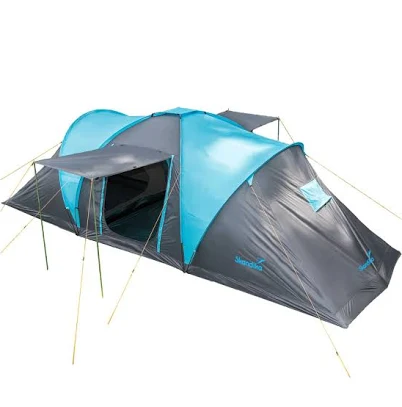
Skandika dome tent Hammerfest for 6 people camping tent with sewn-in tent base sleeper technology with Black cabins 2 sl
Waterproof coating chemistry not stated, raising PFAS concern for this tent.
The waterproof treatment applied to this polyester tent fabric is not disclosed. water-repellent coating coatings used on tents have historically contained PFAS. Skandika has no PFAS statement on record for this product.
Still want this one anyway? Check the price on Amazon. We’d swap it.
Material
Polyester tent fabric with unspecified waterproof coating and sewn base
Brand disclosure
Brand is silent on PFAS
Lab data
No public lab test
You may also be interested in
Top-graded picks in the categories readers replace first, every one scored on the same rubric.

- polypropylene filter housing, carbon/sediment cartridge
- We found no PFAS statement from the brand
- Bacterial growth in spent cartridges
3 hazards checked on this product, all on its full breakdown.

Aquasure
Premier Series 75 GPD Under Sink Reverse Osmosis Water Filtration System
- RO membrane, carbon filters, stainless steel housing
- We found no PFAS statement from the brand
- Bacterial and microbial growth in housing and filters
4 hazards checked on this product, all on its full breakdown.

Avocado
Vegan Mattress
- organic cotton, natural latex, coconut coir, recycled steel coils
- The brand calls it PFAS-free, which we have not verified
- Heavy metals
2 hazards checked on this product, all on its full breakdown.
What Skandika dome tent Hammerfest for 6 sl is made of, ingredients and materials
The Hammerfest uses polyester fabric as its primary material, a synthetic polymer chosen for durability and water resistance in outdoor textiles. The sewn-in base is also polyester, which resists ground moisture better than natural fibers but requires a waterproof coating (water-repellent coating, or water-repellent coating) to function effectively. Polyester itself is stable when undamaged, but the coating applied to achieve water-repellency is where chemical hazards concentrate, particularly regarding PFAS-based treatments common in budget-priced camping gear.
What’s concerning
Waterproof / stain-resistant treatment
Water-repellent coating treatments have historically used PFAS.
Category baseline
The starting point for this type of product, before anything specific to this product is counted.
No PFAS disclosure
No public statement from the brand about PFAS in this product.
PFAS
Unspecified waterproof coating on this polyester tent may contain fluorinated compounds; Skandika's silence on water-repellent coating type and lack of documentation about the coating's composition creates reasonable concern for potential PFAS exposure during use, storage, and eventual disposal.
Source, ATSDR ↗Formaldehyde / VOCs
Polyester fabrics and especially sewn base may be treated with formaldehyde-releasing resins during manufacturing to fix dyes or add wrinkle resistance; no independent testing of this specific product is on record, but this is a known practice in budget polyester textiles.
Source, ATSDR ↗Azo dyes in black fabric
The black color of the cabin sections may be achieved with azo dyes, which can degrade under UV exposure or perspiration and release aromatic amines; this is not specific to Skandika but a category-wide concern for dark-colored synthetic textiles.
Coating degradation and microplastic/particle shedding
Polyester tent coatings deteriorate with age, UV exposure, and flexing during assembly and use, releasing fine particles; no specific recall exists for this model, but shedding of coating particles into camping spaces is well-documented in long-term tent use studies.
Off-gassing of volatile organic compounds (VOCs) from new tent
New polyester tents often emit odors from residual solvent and coating volatiles during first deployment; this is typically transient and not dangerous but indicates incomplete off-gassing of manufacturing chemicals.
How is this PFAS grade calculated?
The brand's record and disclosure
Skandika, a German-based brand, does not publicly disclose the specific chemistry of its waterproof coatings across product lines, which is typical of mid-range tent manufacturers. No independent recalls or safety controversies are established in public records for this model. The brand has not made commitments to PFAS-free production or transparent coating ingredient disclosure, leaving buyers without confirmation of whether fluorinated or non-fluorinated water-repellent coating was used on this tent.
How it compares in its category
Budget dome tents in this price range (under EUR 300 typically) rarely disclose coating details, and many still rely on PFAS-based water-repellent coating for cost-effectiveness. Higher-end brands (e.g., Hilleberg, Big Agnes) increasingly use Teflon-type coating-free or non-fluorinated coatings and publish this information. Skandika sits in the middle tier where coating composition is a blind spot; expect standard practice of the industry rather than premium transparency.
If you buy it
Ensure good ventilation during setup and first use to off-gas any volatile residues from the coating; use in open air rather than enclosed spaces for the first few hours. Avoid heating the tent fabric directly (e.g., with hot water or direct sunlight through glass indoors) as this may degrade the coating and increase leaching of coating components. Reapply water-repellent treatment every 2-3 seasons using products that specify non-PFAS formulations (e.g., silicone-based re-proofing sprays). Inspect the base and fabric seams annually; tears that expose internal coating layers should be patched promptly to prevent microfiber and coating particle shedding.
What is not known about PFAS in this product?
- Basis
- Model estimate, 42% confidence, not a lab result
- Lab test
- None on record for this exact product
- Brand statement
- Skandika has made none
Formulations change between production runs, so check the current label. How we grade.
More camping tents & tarps grades
How we score, every product runs through the same public 0-100 rubric based on materials, coatings, brand disclosure, lab findings, and recalls. See the full methodology → Spotted a mistake? Report an error.