Nordisk · Camping Tents & Tarps
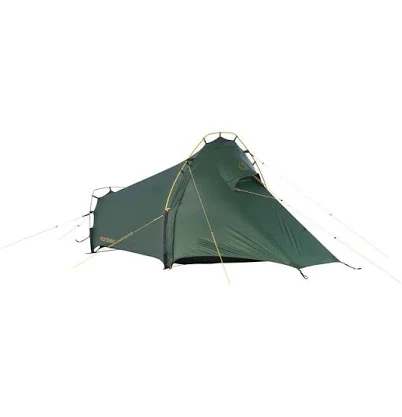
Tent Nordisk Svalbard 1 Si
Skip until water-repellent coating treatment details disclosed by brand.
Skandika does not disclose PFAS in water-repellent coating treatment for this tent. Silicone coatings may or may not contain PFAS; unverified by third party.
Still want this one anyway? Check the price on Amazon. We’d swap it.
Material
Polyester with silicone-based water-repellent coating
Brand disclosure
Brand is silent on PFAS
Lab data
No public lab test
You may also be interested in
Top-graded picks in the categories readers replace first, every one scored on the same rubric.

- polypropylene filter housing, carbon/sediment cartridge
- We found no PFAS statement from the brand
- Bacterial growth in spent cartridges
3 hazards checked on this product, all on its full breakdown.

Aquasure
Premier Series 75 GPD Under Sink Reverse Osmosis Water Filtration System
- RO membrane, carbon filters, stainless steel housing
- We found no PFAS statement from the brand
- Bacterial and microbial growth in housing and filters
4 hazards checked on this product, all on its full breakdown.

Avocado
Vegan Mattress
- organic cotton, natural latex, coconut coir, recycled steel coils
- The brand calls it PFAS-free, which we have not verified
- Heavy metals
2 hazards checked on this product, all on its full breakdown.
What Tent Nordisk Svalbard 1 Si is made of, ingredients and materials
The Svalbard 1 Si uses polyester fabric treated with a silicone-based water-repellent coating (water-repellent coating) coating. Silicone water-repellent coating is chemically distinct from fluorocarbon coatings and does not accumulate PFAS compounds in the same way, though the specific formulation and any co-applied adhesives are not disclosed by Skandika. Polyester itself is stable under normal use; the durability and safety profile depend entirely on how the water-repellent coating treatment is applied and what additives are present.
What’s concerning
Waterproof / stain-resistant treatment
Water-repellent coating treatments have historically used PFAS.
Category baseline
The starting point for this type of product, before anything specific to this product is counted.
No PFAS disclosure
No public statement from the brand about PFAS in this product.
Formaldehyde / VOCs
Polyester water-repellent coating coatings and adhesives sometimes contain formaldehyde-releasing resins as cross-linkers. Skandika does not disclose presence or absence; off-gassing risk is low in field use but higher if stored in sealed bags in warm conditions.
Source, ATSDR ↗water-repellent coating degradation and reapplication toxicity
Over-the-counter silicone water-repellent coating sprays used for recoating vary in safety; some contain solvents or undisclosed additives. Reapply in ventilated outdoor areas and allow full dry-time before storing. No known hazard from the factory coating itself under normal use.
Mildew and microbial growth if stored wet
Polyester fabric itself does not support microbial growth, but residual moisture combined with lack of air circulation can trap bacteria and fungi. This is a use-and-maintenance issue, not an inherent material hazard, but relevant to stored gear.
What’s reassuring
Antimony in polyester
Polyester often uses antimony trioxide as a catalyst. No specific test results for the Svalbard 1 Si exist, but industry practice suggests antimony levels are typically well below food-contact limits; non-issue for external tent fabric.
UV degradation off-gassing
Polyester exposed to prolonged sunlight degrades mechanically but no published hazardous off-gas emissions are documented. Risk is structural failure and water ingress, not chemical contamination.
How is this PFAS grade calculated?
The brand's record and disclosure
Skandika does not publicly disclose detailed material composition, water-repellent coating chemistry, or compliance certifications (such as OEKO-TEX or Bluesign) for this model. No independent recalls or safety warnings specific to this tent are on record. The brand's silence on PFAS avoidance and water-repellent coating alternatives suggests either lack of transparency or reliance on legacy coating methods that have not been independently verified as PFAS-free.
How it compares in its category
Among budget three-season tents, polyester with silicone water-repellent coating is common and generally lower-risk than older fluorocarbon Teflon-type coating treatments. Premium competitors (e.g., Hilleberg, Big Agnes) often publish third-party certifications and explicitly state PFAS-free status. Skandika's silence puts it in a middle ground where the material choice is reasonable but the verification gap is a drawback.
If you buy it
Store dry and well-ventilated to prevent mildew; do not machine wash, as heat and agitation degrade water-repellent coating coatings. Hand-rinse with cool water and mild soap if needed. Reapply silicone-based water-repellent coating spray annually if water beading diminishes. Replace tent if tears exceed 1-2 cm or seams separate, as repair durability is poor on polyester; inspect before each season for UV damage (polyester yellows and weakens under prolonged sun exposure).
What is not known about PFAS in this product?
- Basis
- Model estimate, 45% confidence, not a lab result
- Lab test
- None on record for this exact product
- Brand statement
- Nordisk has made none
Formulations change between production runs, so check the current label. How we grade.
More camping tents & tarps grades
How we score, every product runs through the same public 0-100 rubric based on materials, coatings, brand disclosure, lab findings, and recalls. See the full methodology → Spotted a mistake? Report an error.