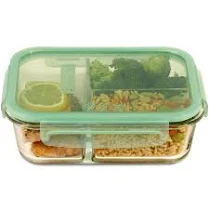
Snapware Meal Box Glass. 3.8 cup
Lower PFAS concern for glass container; verify lid material separately.
Glass food containers carry minimal PFAS risk from the glass itself. Snapware does not disclose PFAS status; plastic lid material and any coatings remain unspecified.
We flunk more products than we pass. This one earned its grade. How we grade
Material
borosilicate glass with plastic snap-lid
Brand disclosure
Brand is silent on PFAS
Lab data
No public lab test
What Snapware Meal Box Glass. 3.8 cup is made of, ingredients and materials
This container is borosilicate glass, a material engineered to resist thermal shock and chemical leaching. The snap-lid is plastic (material type not specified in available product documentation). Borosilicate glass does not leach lead, cadmium, or other heavy metals under normal use or heating. The main variable is the plastic lid composition and whether it contacts food directly or seals without touching contents.
What’s concerning
Category baseline
The starting point for this type of product, before anything specific to this product is counted.
No PFAS disclosure
No public statement from the brand about PFAS in this product.
BPA & bisphenols
The snap-lid material is not explicitly named in public product specifications. If it is polycarbonate or certain polyester blends, BPA or BPS may be present. Snapware does not state BPA-free certification for this product line in readily available sources.
Source, FDA ↗Phthalates
Plasticizers used in the lid compound are not disclosed. If the lid uses flexible PVC or certain polyurethane formulations, phthalates may be present, especially in older product batches. Contact manufacturer for material specification.
Source, ATSDR ↗Plastic lid degradation and leaching
Over time and with repeated heating or dishwashing, plastic lids can become cloudy and brittle, a sign of plasticizer migration or resin breakdown. This is a common wear pattern in snap-lock meal boxes and not unique to Snapware, but replacement is recommended when it occurs.
Microplastics
If the plastic lid is scratched, cracked, or degraded by heat, small particles may shed into food, especially if food is stirred or heated in the container with the lid in place. Risk is minimized if the lid is removed before reheating.
Source, EPA ↗What’s reassuring
Base material not linked to PFAS
The main material recorded for this product is not one associated with PFAS.
Lead
Borosilicate glass itself does not contain lead or cadmium as intentional ingredients. No recalls or test reports citing heavy-metal contamination in Snapware glass meal boxes are on record.
Source, ATSDR ↗The full breakdown
The brand's record and disclosure
Snapware (owned by Newell Brands) does not publish detailed material safety disclosures or independent certifications (BPA-free claims, heavy-metal testing) in widely available public statements. The brand has no major recalls or safety controversies on record for this glass meal-box line. Without explicit material documentation for the lid, verification of BPA/BPS status requires direct contact with the manufacturer.
How it compares in its category
Glass food-storage containers are among the lowest-concern options in food packaging because the glass itself does not leach under normal conditions. Snapware's borosilicate glass meals boxes are comparable to Pyrex, OXO, and Rubbermaid glass alternatives. The differentiator here is lid material; many competitors also use opaque plastic lids with unspecified composition, so this product does not stand out as materially safer or riskier than similar offerings.
If you buy it
Do not use at temperatures above the manufacturer's stated heat limit (typically around 400°F for the lid, higher for the glass alone). Inspect the plastic lid regularly for cloudiness, cracks, or discoloration, which signal degradation. Wash the lid by hand if possible to avoid prolonged dishwasher exposure. If the lid becomes visibly worn or no longer seals properly, replace it rather than continue use, as degraded plastic may leach additives.
What we don’t know
- Basis
- Model estimate, 78% confidence, not a lab result
- Lab test
- None on record for this exact product
- Brand statement
- Snapware has made none
Formulations change between production runs, so check the current label. How we grade.
Better-graded alternatives in Lunch Boxes
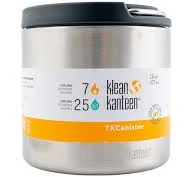
Klean Kanteen
Double Wall Vacuum Insulated Stainless Steel Food Canister Container with Leak Proof Lid
- Stainless steel body, silicone gasket lid seal
- The brand calls it PFAS-free, which we have not verified
- Silicone gasket degradation
3 hazards checked on this product. See all of them.
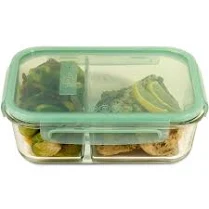
Snapware
Meal Box Glass
- borosilicate glass
- We found no PFAS statement from the brand
- Leaching from glass matrix or lid seals
2 hazards checked on this product. See all of them.
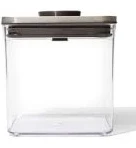
OXO
Steel Pop Big Square Short - 2.8 Qt/2.6 l
- Stainless steel container, no surface treatment
- Lid/gasket polymer leaching
3 hazards checked on this product. See all of them.
More lunch boxes grades
How we score, every product runs through the same public 0-100 rubric based on materials, coatings, brand disclosure, lab findings, and recalls. See the full methodology → Spotted a mistake? Report an error.