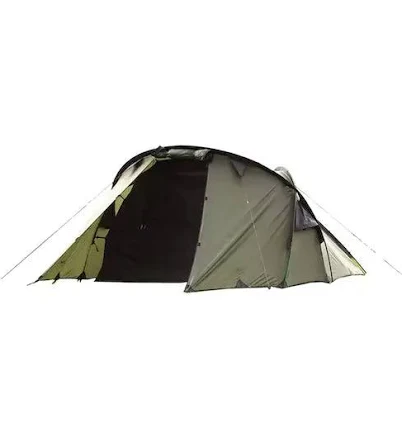
Proforce Equipment Scorpion 3 Tent
Skip until brand discloses coating chemistry without PFAS.
Military-grade tent marketed for durability lacks water-resistant coating formula disclosure. Waterproof textiles commonly use PFAS-based water-repellent coating unless stated otherwise.
Still want this one anyway? Check the price on Amazon. We’d swap it.
Material
Polyester/nylon with unspecified water-resistant coating
Brand disclosure
Brand is silent on PFAS
Lab data
No public lab test
You may also be interested in
Top-graded picks in the categories readers replace first, every one scored on the same rubric.

- polypropylene filter housing, carbon/sediment cartridge
- We found no PFAS statement from the brand
- Bacterial growth in spent cartridges
3 hazards checked on this product, all on its full breakdown.

Aquasure
Premier Series 75 GPD Under Sink Reverse Osmosis Water Filtration System
- RO membrane, carbon filters, stainless steel housing
- We found no PFAS statement from the brand
- Bacterial and microbial growth in housing and filters
4 hazards checked on this product, all on its full breakdown.

Avocado
Vegan Mattress
- organic cotton, natural latex, coconut coir, recycled steel coils
- The brand calls it PFAS-free, which we have not verified
- Heavy metals
2 hazards checked on this product, all on its full breakdown.
What Proforce Equipment Scorpion 3 Tent is made of, ingredients and materials
The Scorpion 3 uses polyester fabric (main shell) and nylon components with an unspecified water-repellent coating (water-repellent coating) coating. The polyester itself is stable and does not leach BPA or phthalates under normal camping conditions. The critical uncertainty is the water-repellent coating finish, modern tent coatings are often fluorocarbon-based (PFAS), which provide excellent water and stain resistance but persist in the environment and bioaccumulate. Without brand disclosure, you cannot confirm whether this tent uses legacy PFAS, newer alternatives, or PFAS-free chemistries.
What’s concerning
Category baseline
The starting point for this type of product, before anything specific to this product is counted.
No PFAS disclosure
No public statement from the brand about PFAS in this product.
Waterproof / stain-resistant treatment
Water-repellent coating treatments have historically used PFAS.
PFAS
Water-repellent coating finish composition is undisclosed; most budget/mid-range tents still use legacy fluorocarbon PFAS or newer variants (e.g., GenX). Environmental and bioaccumulation concerns are well documented; direct skin contact during use is minimal but off-gassing during humid storage or cleaning is possible.
Source, ATSDR ↗Microplastics
Polyester fabrics can shed microfibers, especially when degraded by UV or mechanical stress. Camping tents see high abrasion and weather exposure; over years, shedding increases and contributes to soil and water microplastic burden, though direct health risk to user is low.
Source, EPA ↗Coating degradation and particulate leaching
Water-repellent coating coatings degrade with age, UV exposure, and washing; flaking or peeling can release coating particles into soil and water. If the coating contains PFAS or heavy metal pigments (less common but possible in cheaper formulations), degradation increases leaching potential.
What’s reassuring
Volatile organic compound (VOC) off-gassing
No specific reports of VOC off-gassing from tents; polyester and standard water-repellent coating finishes are not major VOC emitters at room temperature. Risk would rise only if stored in hot, poorly ventilated spaces for extended periods.
Heavy metals
No documented issues with lead, cadmium, or antimony in tent dyes or coatings. Industry-wide testing of budget outdoor textiles is sparse, but polyester dyes are generally stable and do not leach under normal use.
Source, FDA ↗How is this PFAS grade calculated?
The brand's record and disclosure
The brand is a UK-based outdoor equipment manufacturer with no publicly available statement on PFAS avoidance or coating chemistry transparency. The brand has not published material safety data sheets or certifications (such as OEKO-TEX or bluesign) that would rule out PFAS. Industry peers (e.g., certain premium tent makers) have begun disclosing water-repellent coating formulations or committing to PFAS-free alternatives; The brand's silence on this issue is a notable gap in modern corporate responsibility standards for outdoor gear.
How it compares in its category
Budget and mid-range camping tents (under $300) rarely disclose water-repellent coating chemistry; this is industry standard opacity, not a the brand-specific failure. Premium brands and those targeting environmentally conscious buyers are increasingly transparent about PFAS-free or low-PFAS coatings. The Scorpion 3 is competitively priced and functionally sound, but sits in a category where chemical transparency is still the exception rather than the norm.
If you buy it
Store the tent dry and well-ventilated to minimize off-gassing of any coating volatiles during setup. Avoid machine washing; hand-clean with mild soap and water only, as aggressive cleaning can degrade the water-repellent coating finish and potentially mobilize coating particles. Do not expose the tent to sustained heat (e.g., direct sun for weeks) or open flame, as polyester softens above 150°C and coatings may volatilize. Replace or retire the tent if the coating visibly flakes, peels, or becomes waterlogged, as these signs indicate coating failure and increased leaching risk.
What is not known about PFAS in this product?
- Basis
- Model estimate, 42% confidence, not a lab result
- Lab test
- None on record for this exact product
- Brand statement
- has made none
Formulations change between production runs, so check the current label. How we grade.
More camping tents & tarps grades
How we score, every product runs through the same public 0-100 rubric based on materials, coatings, brand disclosure, lab findings, and recalls. See the full methodology → Spotted a mistake? Report an error.