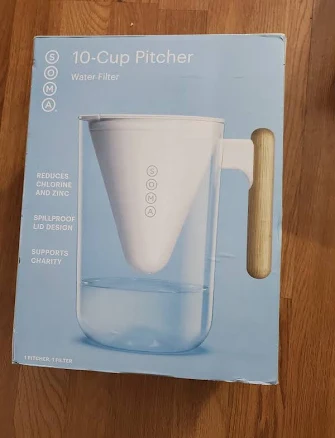
Soma 10-Cup Water Filter Pitcher
Low PFAS risk with typical filter design and no known contamination reports.
Soma's 10-cup pitcher uses BPA-free plastic and carbon filters with ion-exchange media, materials presenting lower PFAS risk than nonstick products. No PFAS testing or claims from the brand exist.
We flunk more products than we pass. This one earned its grade. How we grade
Material
BPA-free plastic pitcher, carbon/ion-exchange filter cartridge
Brand disclosure
Brand is silent on PFAS
Lab data
No public lab test
You may also be interested in
Top-graded picks in the categories readers replace first, every one scored on the same rubric.

- polypropylene filter housing, carbon/sediment cartridge
- We found no PFAS statement from the brand
- Bacterial growth in spent cartridges
3 hazards checked on this product, all on its full breakdown.

Aquasure
Premier Series 75 GPD Under Sink Reverse Osmosis Water Filtration System
- RO membrane, carbon filters, stainless steel housing
- We found no PFAS statement from the brand
- Bacterial and microbial growth in housing and filters
4 hazards checked on this product, all on its full breakdown.

Avocado
Vegan Mattress
- organic cotton, natural latex, coconut coir, recycled steel coils
- The brand calls it PFAS-free, which we have not verified
- Heavy metals
2 hazards checked on this product, all on its full breakdown.
What Soma 10-Cup Water Filter Pitcher is made of, ingredients and materials
The Soma pitcher is constructed from BPA-free plastic (typically polypropylene or similar), which avoids the endocrine disruption risks associated with bisphenol A. The filter cartridge uses activated carbon and ion-exchange resin to reduce chlorine, odor, and some dissolved minerals; these are inert media when functioning normally. The plastic housing itself does not leach under normal cold-water storage conditions, and Soma explicitly markets the BPA-free status as a design feature.
What’s concerning
No PFAS disclosure
No public statement from the brand about PFAS in this product.
Bacterial/microbial growth in filter if unmaintained
Activated carbon can harbor bacteria if not replaced on schedule; Soma's pitcher lacks antimicrobial additives in the carbon bed itself. Standard use with regular 2-month cartridge replacement minimizes this risk.
Filter cartridge quality and filter media purity
Activated carbon sourcing and testing standards are not disclosed by Soma; cartridge manufacturing occurs in multiple facilities. Consumer Reports and NSF testing data for competing filters show minor batch variation in performance, but no contamination incidents documented for Soma cartridges specifically.
Housing gasket/seal degradation
Plastic seals and gaskets can harden or degrade after 1-2 years of repeated filling and sitting, potentially allowing unfiltered water bypass. Soma does not publish expected service life for the pitcher housing itself, only for filter cartridges.
What’s reassuring
Base material not linked to PFAS
The main material recorded for this product is not one associated with PFAS.
Plastic housing leaching (cold water)
BPA-free polypropylene does not release significant endocrine disruptors under normal cold-water storage; no documented leaching incidents on record for Soma pitchers. Heat exposure or prolonged contact with hot water could theoretically stress the plastic, but this is outside normal use.
VOC or odor compounds from plastic off-gassing
BPA-free polypropylene has low volatile organic compound emissions at room temperature; no smell complaints are on record for new Soma pitchers. Initial rinsing before first use is standard practice and sufficient.
How is this PFAS grade calculated?
The brand's record and disclosure
Soma is owned by Republic Services and has positioned itself as a sustainability-focused brand with emphasis on reducing single-use plastic bottles. The company does not disclose independent third-party testing results for leaching or contaminant removal on its website, and PFAS stance remains undisclosed despite market-wide scrutiny. No recalls or established safety violations on record for the pitcher itself. Certifications such as NSF or WQA are not publicly claimed for this model.
How it compares in its category
Soma pitchers occupy the mid-market segment alongside Brita and PUR; all three use similar carbon and ion-exchange technology. Soma's main differentiation is aesthetic design and environmental messaging rather than filtration performance claims. Unlike some budget alternatives, Soma does not use latex gaskets or known problematic adhesives, placing it in the lower concern half of the pitcher filter category. Performance and safety profile are broadly comparable to Brita Standard.
If you buy it
Replace the filter cartridge every 2 months or after 40 gallons to prevent bacterial colonization in saturated carbon and maintain ion-exchange effectiveness. Store the pitcher in a cool, dark location away from direct sunlight; do not use with hot water, which could stress the plastic housing. Rinse the pitcher and lid with clean water weekly if using tap water refills, and do not microwave or dishwash the pitcher body itself. Monitor for any visible cracks, cloudiness, or odor that may signal housing degradation.
What is not known about PFAS in this product?
- Basis
- Model estimate, 72% confidence, not a lab result
- Lab test
- None on record for this exact product
- Brand statement
- Soma has made none
Formulations change between production runs, so check the current label. How we grade.
What are the PFAS-free alternatives to Soma 10-Cup Water Filter Pitcher?
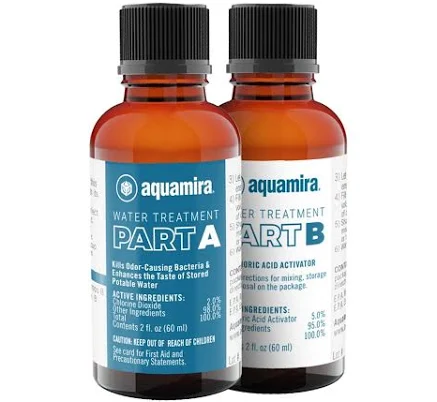
- glass bottles, sodium dichloroisocyanurate treatment chemical
- We found no PFAS statement from the brand
- Chemical overdose or misuse
5 hazards checked on this product, all on its full breakdown.
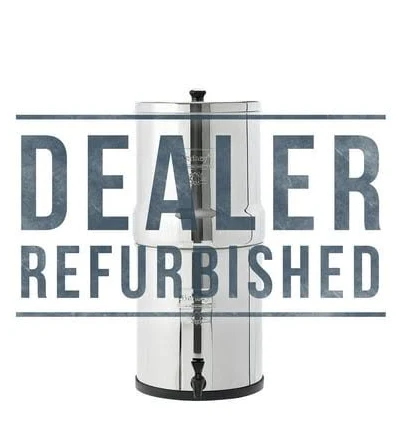
- Stainless steel housing and spigot
- We found no PFAS statement from the brand
- Bacterial growth and biofilm if filters not replaced
5 hazards checked on this product, all on its full breakdown.
- Borosilicate glass pitcher, replaceable activated-carbon filter cartridge
- Bacterial growth in filter cartridge if unmaintained
5 hazards checked on this product, all on its full breakdown.
More water filters grades
How we score, every product runs through the same public 0-100 rubric based on materials, coatings, brand disclosure, lab findings, and recalls. See the full methodology → Spotted a mistake? Report an error.