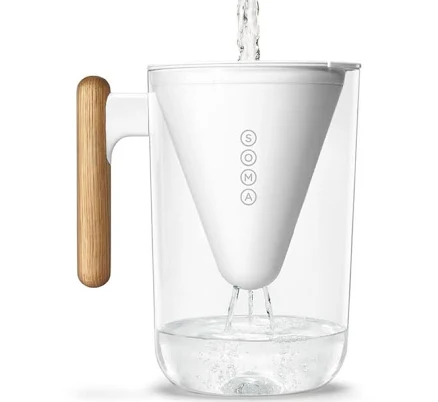
Soma 10 Cup Water Pitcher
Lower concern; standard pitcher design lacks known PFAS-prone features.
Soma's BPA-free plastic pitcher with activated carbon filter poses lower PFAS risk than coated cookware or treated textiles. The brand does not publicly disclose PFAS testing or filter media sourcing.
We flunk more products than we pass. This one earned its grade. How we grade
Material
BPA-free plastic pitcher with replaceable carbon filter cartridge
Brand disclosure
Brand is silent on PFAS
Lab data
No public lab test
You may also be interested in
Top-graded picks in the categories readers replace first, every one scored on the same rubric.

- polypropylene filter housing, carbon/sediment cartridge
- We found no PFAS statement from the brand
- Bacterial growth in spent cartridges
3 hazards checked on this product, all on its full breakdown.

Aquasure
Premier Series 75 GPD Under Sink Reverse Osmosis Water Filtration System
- RO membrane, carbon filters, stainless steel housing
- We found no PFAS statement from the brand
- Bacterial and microbial growth in housing and filters
4 hazards checked on this product, all on its full breakdown.

Avocado
Vegan Mattress
- organic cotton, natural latex, coconut coir, recycled steel coils
- The brand calls it PFAS-free, which we have not verified
- Heavy metals
2 hazards checked on this product, all on its full breakdown.
What Soma 10 Cup Water Pitcher is made of, ingredients and materials
The Soma pitcher is constructed from BPA-free plastic housing, typically polypropylene (PP) or similar food-grade resin, paired with a replaceable activated carbon filter cartridge. This material combination is standard for gravity-fed water pitchers and does not rely on problematic coatings or glazes. The plastic itself is stable at room temperature and poses minimal leaching risk under normal use conditions, provided the pitcher is not exposed to heat or prolonged direct sunlight.
What’s concerning
No PFAS disclosure
No public statement from the brand about PFAS in this product.
Bacterial or mold growth in pitcher housing
Like all gravity-fed pitchers, the reservoir can develop biofilm if not regularly rinsed and dried. This is a maintenance issue, not a material defect, but critical to prevent pathogen accumulation between filter changes.
Carbon filter media breakdown and particle release
Activated carbon cartridges can shed fine particles or degrade if overfilled, overpressurized, or used beyond recommended replacement intervals. Soma does not publicly specify the filter media binder composition or validate for microplastic release.
Filter cartridge housing and sealing material degradation
Cartridge seals (typically rubber or silicone) can wear, crack, or allow bypass if pitcher is dropped or cartridges are reused beyond design life. Inspect cartridges visually before installation to confirm seal integrity.
What’s reassuring
Base material not linked to PFAS
The main material recorded for this product is not one associated with PFAS.
Plastic leaching under misuse conditions
BPA-free plastics are stable at room temperature; no reported incidents of leaching from Soma pitchers under normal storage. Risk increases only if pitcher is exposed to prolonged heat, sunlight, or acidic liquids, which are outside intended use.
Heavy metals
Activated carbon and coconut shell-based filter media are not inherently sources of lead or cadmium. Soma does not publish third-party heavy metal testing for cartridges, so cannot be ruled out, but no contamination cases have been publicly reported.
Source, FDA ↗How is this PFAS grade calculated?
The brand's record and disclosure
Soma does not publicly disclose detailed material composition or third-party testing for contaminants including heavy metals or microplastics. The brand markets itself as sustainability-focused (reducing single-use plastics) but offers no transparency on PFAS screening, manufacturing certifications, or filter media sourcing. No major recalls or contamination incidents have been reported for this product line in available public records. The absence of disclosure does not indicate a safety failure, but reflects limited consumer transparency typical of many pitcher manufacturers.
How it compares in its category
The Soma pitcher sits in the mid-market segment of gravity-fed pitchers. It performs comparably to Brita and PUR models in design and material safety; all rely on BPA-free plastics and carbon filtration. Unlike some budget competitors, Soma does not use metallic components prone to rust or corrosion. Performance depends entirely on filter replacement schedule, which varies by regional water quality, Soma's stated replacement interval (every 2 months) is standard across the category.
If you buy it
Replace the filter cartridge every 2 months or sooner if water flow visibly slows; a clogged filter reduces contaminant removal efficiency. Store the pitcher away from direct sunlight and heat sources above 120°F, which can accelerate plastic degradation. Do not fill with hot water or use in dishwashers (pitcher body only; filter cartridges are not dishwasher-safe). Rinse the pitcher with cool water every few weeks to prevent mold or bacterial biofilm growth inside the housing.
What is not known about PFAS in this product?
- Basis
- Model estimate, 72% confidence, not a lab result
- Lab test
- None on record for this exact product
- Brand statement
- Soma has made none
Formulations change between production runs, so check the current label. How we grade.
What are the PFAS-free alternatives to Soma 10 Cup Water Pitcher?
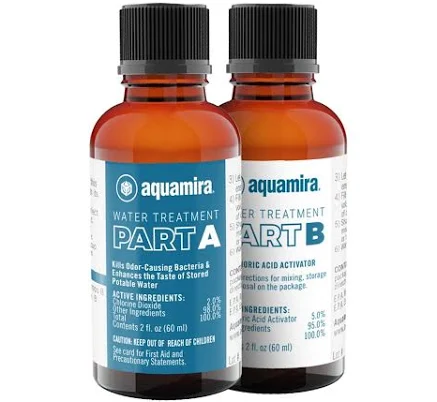
- glass bottles, sodium dichloroisocyanurate treatment chemical
- We found no PFAS statement from the brand
- Chemical overdose or misuse
5 hazards checked on this product, all on its full breakdown.
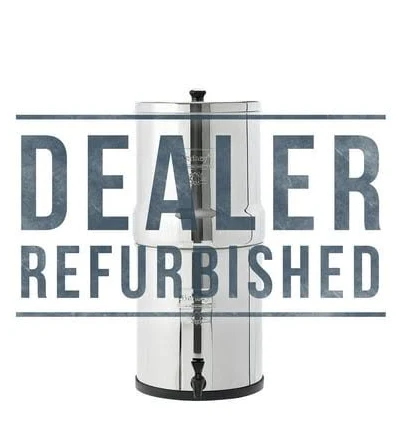
- Stainless steel housing and spigot
- We found no PFAS statement from the brand
- Bacterial growth and biofilm if filters not replaced
5 hazards checked on this product, all on its full breakdown.
- Borosilicate glass pitcher, replaceable activated-carbon filter cartridge
- Bacterial growth in filter cartridge if unmaintained
5 hazards checked on this product, all on its full breakdown.
More water filters grades
How we score, every product runs through the same public 0-100 rubric based on materials, coatings, brand disclosure, lab findings, and recalls. See the full methodology → Spotted a mistake? Report an error.