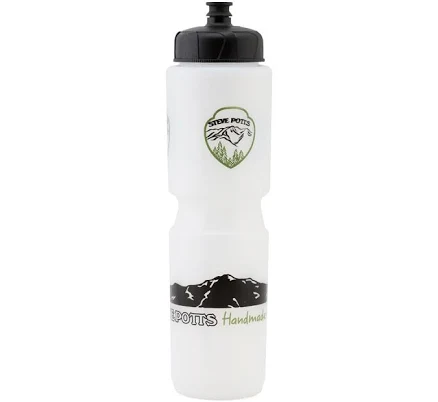
Soma Further Extra Large Cycling Water Bottle (Clear/Black) (Pull-Open
Lower concern. Standard bottle with no evident PFAS-prone treatments, no transparency.
Soma's cycling bottle is made from typical food-grade plastic with no nonstick, waterproof, or stain-resistant coatings that would require PFAS. The brand discloses no PFAS information, typical for basic drinkware. No public lab testing is available.
We flunk more products than we pass. This one earned its grade. How we grade
Material
BPA-free plastic (likely polypropylene or copolyester); no coating disclosed
Brand disclosure
Brand is silent on PFAS
Lab data
No public lab test
You may also be interested in
Top-graded picks in the categories readers replace first, every one scored on the same rubric.

- polypropylene filter housing, carbon/sediment cartridge
- We found no PFAS statement from the brand
- Bacterial growth in spent cartridges
3 hazards checked on this product, all on its full breakdown.

Aquasure
Premier Series 75 GPD Under Sink Reverse Osmosis Water Filtration System
- RO membrane, carbon filters, stainless steel housing
- We found no PFAS statement from the brand
- Bacterial and microbial growth in housing and filters
4 hazards checked on this product, all on its full breakdown.

Avocado
Vegan Mattress
- organic cotton, natural latex, coconut coir, recycled steel coils
- The brand calls it PFAS-free, which we have not verified
- Heavy metals
2 hazards checked on this product, all on its full breakdown.
What Soma Further Extra Large (Pull-Open is made of, ingredients and materials
Soma's Further bottle uses BPA-free plastic, most likely polypropylene (PP) or a copolyester blend based on typical reusable bottle construction. These materials are chemically stable at room temperature and do not leach significant quantities of monomers or plasticizers under normal use. The "pull-open" design suggests a simple mechanical cap with no adhesive-based seals or soft-touch coatings that might degrade over time, reducing secondary leaching risks.
What’s concerning
No PFAS disclosure
No public statement from the brand about PFAS in this product.
Microplastics
Any plastic bottle sheds microscopic fragments over years of thermal cycling and mechanical wear. Risk increases with dishwasher use or storage in direct sunlight. Careful hand washing and storage away from heat extend bottle lifespan and minimize shedding.
Source, EPA ↗Bacterial and mold biofilm in cap/seal
Pull-open caps with narrow seals can trap moisture and create anaerobic pockets if not dried thoroughly. Regular inspection of the cap interior and replacement of degraded seals prevents pathogenic growth, particularly if bottle sits full overnight.
What’s reassuring
Base material not linked to PFAS
The main material recorded for this product is not one associated with PFAS.
BPA & bisphenols
Product is marketed as BPA-free. No BPA or known BPA analogs (BPS, BPF) are disclosed in formulation; typical polypropylene bottles do not contain these compounds.
Source, FDA ↗Phthalates
Polypropylene and copolyester do not require phthalate plasticizers for flexibility. No soft-touch or flexible coating is mentioned, further reducing phthalate risk.
Source, ATSDR ↗Heavy metals
The Clear/Black colorway suggests minimal pigmentation or standard carbon black additive, which is not known to leach under normal conditions. No public testing or recall data implicates the Further bottle in heavy metal leaching.
Source, FDA ↗How is this PFAS grade calculated?
The brand's record and disclosure
Soma markets itself as a sustainability-focused brand but provides no formal third-party certifications (NSF, FDA compliance statements, or chemical testing transparency) on their website or product labeling. The company has not published statements on PFAS avoidance, antimicrobial treatments, or supply-chain chemical management. No recalls or safety complaints specific to the Further model are on record with CPSC or major safety databases as of available public information.
How it compares in its category
Reusable plastic water bottles in this category typically carry similar or lower chemical risk than coated alternatives (metal bottles with epoxy liners can leach BPA or PFAS; ceramic-lined bottles may shed particles). Soma's transparent disclosure gap is common among mid-market brands but lags behind competitors (Klean Kanteen, S'well) that publish chemical testing or certification. The price point and design simplicity suggest no exotic coatings or antimicrobial treatments that would elevate hazard.
If you buy it
Avoid filling with liquids hotter than 120F (50C); while polypropylene can tolerate higher temperatures, prolonged heat cycling accelerates polymer degradation and potential monomer release. Hand wash only, avoid dishwasher heat and strong detergents that can stress seals. Replace the bottle if the plastic becomes cloudy, develops odor, or shows visible cracks or wear inside the cap threads. Store empty and dry between uses to prevent bacterial biofilm and mold growth in the pull-open mechanism.
What is not known about PFAS in this product?
- Basis
- Model estimate, 72% confidence, not a lab result
- Lab test
- None on record for this exact product
- Brand statement
- Soma has made none
Formulations change between production runs, so check the current label. How we grade.
What are the PFAS-free alternatives to Soma Further Extra Large Cycling Water Bottle (Clear/Black) (Pull-Open?
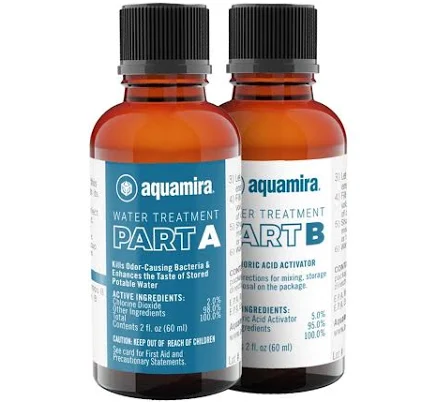
- glass bottles, sodium dichloroisocyanurate treatment chemical
- We found no PFAS statement from the brand
- Chemical overdose or misuse
5 hazards checked on this product, all on its full breakdown.
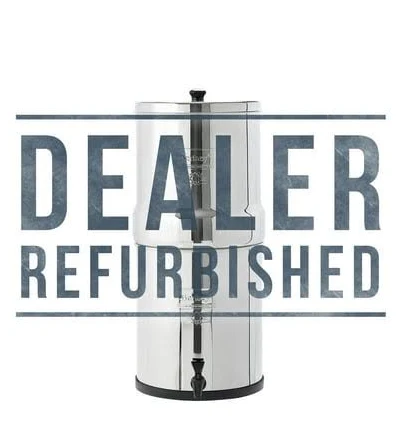
- Stainless steel housing and spigot
- We found no PFAS statement from the brand
- Bacterial growth and biofilm if filters not replaced
5 hazards checked on this product, all on its full breakdown.
- Borosilicate glass pitcher, replaceable activated-carbon filter cartridge
- Bacterial growth in filter cartridge if unmaintained
5 hazards checked on this product, all on its full breakdown.
More water filters grades
How we score, every product runs through the same public 0-100 rubric based on materials, coatings, brand disclosure, lab findings, and recalls. See the full methodology → Spotted a mistake? Report an error.