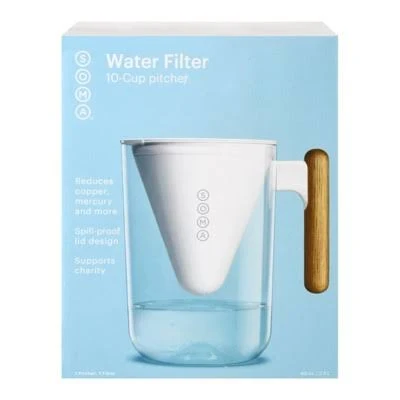
Soma - Water Pitcher Filter 10-Cup - White - Case of 2 - 80 oz
Lower concern than cookware; standard carbon filters carry minimal PFAS risk.
Soma pitchers use activated carbon filtration not typically requiring PFAS-based coatings. The brand has not publicly disclosed filter materials or manufacturing specifications.
We flunk more products than we pass. This one earned its grade. How we grade
Material
Plastic pitcher body with replaceable activated carbon filter cartridge
Brand disclosure
Brand is silent on PFAS
Lab data
No public lab test
You may also be interested in
Top-graded picks in the categories readers replace first, every one scored on the same rubric.

- polypropylene filter housing, carbon/sediment cartridge
- We found no PFAS statement from the brand
- Bacterial growth in spent cartridges
3 hazards checked on this product, all on its full breakdown.

Aquasure
Premier Series 75 GPD Under Sink Reverse Osmosis Water Filtration System
- RO membrane, carbon filters, stainless steel housing
- We found no PFAS statement from the brand
- Bacterial and microbial growth in housing and filters
4 hazards checked on this product, all on its full breakdown.

Avocado
Vegan Mattress
- organic cotton, natural latex, coconut coir, recycled steel coils
- The brand calls it PFAS-free, which we have not verified
- Heavy metals
2 hazards checked on this product, all on its full breakdown.
What Soma - Water Pitcher Filter 10-Cup Case is made of, ingredients and materials
The Soma pitcher body is molded plastic (likely polypropylene or copolyester), and the replaceable filter cartridge contains activated carbon (a common absorbent media). Activated carbon itself is inert and food-safe; the hazard profile depends on whether leachables from the plastic pitcher or filter housing migrate into stored water, and whether the filter's binding materials (typically benign polymer resins) shed particles. No public testing has documented leaching from Soma pitchers under normal conditions, but the plastic-water contact means ongoing contact time and temperature matter.
What’s concerning
No PFAS disclosure
No public statement from the brand about PFAS in this product.
Bacterial growth in filter cartridge
If filter is not replaced on schedule or pitcher is left standing in warm conditions, dormant bacteria can proliferate in the moist activated carbon bed. This is not a manufacturing defect but a maintenance issue common to all pitcher filters.
Filter cartridge binder degradation
Activated carbon cartridges are bound with polymer resins or cellulose. Over time or if stored improperly, these can shed fine particles into water. Soma does not specify binder material or durability standards; manufacturer quality control is assumed standard but not validated independently.
Housing mold or biofilm on interior walls
Any water pitcher can develop mold or bacterial biofilm on interior surfaces if not cleaned regularly, especially in humid climates or if left full for extended periods. This is user-maintenance preventable but not a product defect.
What’s reassuring
Base material not linked to PFAS
The main material recorded for this product is not one associated with PFAS.
BPA & bisphenols
Soma has not disclosed the specific plastic resin used. Polypropylene (common in food-contact pitchers) is generally considered low-leach at room temperature, but Soma's material identity is not public. No health incidents reported in consumer use.
Source, FDA ↗Microplastics
The pitcher body and filter housing are rigid plastic and not subject to the wear-and-tear microplastic shedding seen in soft plastic bottles. No public testing or complaints document microplastic release from Soma pitchers under normal use.
Source, EPA ↗How is this PFAS grade calculated?
The brand's record and disclosure
Soma is owned by Republic Services (formerly Waste Management) and markets itself on sustainability and design rather than material transparency. The brand does not publish detailed material safety data sheets, manufacturing sourcing, or third-party certifications (like NSF, WQA, or FDA compliance statements) on its public materials. No recalls or public health incidents are on record for Soma pitchers. The silence on PFAS exposure in manufacturing or filter binder chemistry is a transparency gap, though it does not indicate confirmed risk.
How it compares in its category
Water filter pitchers as a category are lower-risk than cookware or textiles because they do not involve heat, direct food contact on worn surfaces, or chemical coatings. Soma competes with Brita (owned by Clorox, NSF-certified, more disclosure), PUR (also NSF-certified), and store brands (often unbranded or minimal transparency). Soma's pricing and design appeal are higher than function-focused competitors, but its material disclosure lags certified competitors. The activated carbon filter itself is no worse than industry standard.
If you buy it
Replace the filter cartridge every 40 gallons (2 months typical household use) to avoid bacterial colonization in exhausted carbon and reduced contaminant removal. Rinse the pitcher body with hot water before first use and after each refill to flush any loose carbon dust or manufacturing residue. Store in a cool place away from direct sunlight; do not expose to heat or harsh chemicals. Check the filter housing gasket monthly for cracks or discoloration, as degraded seals can allow unfiltered water bypass.
What is not known about PFAS in this product?
- Basis
- Model estimate, 72% confidence, not a lab result
- Lab test
- None on record for this exact product
- Brand statement
- Soma has made none
Formulations change between production runs, so check the current label. How we grade.
What are the PFAS-free alternatives to Soma - Water Pitcher Filter 10-Cup - White - Case of 2 - 80 oz?
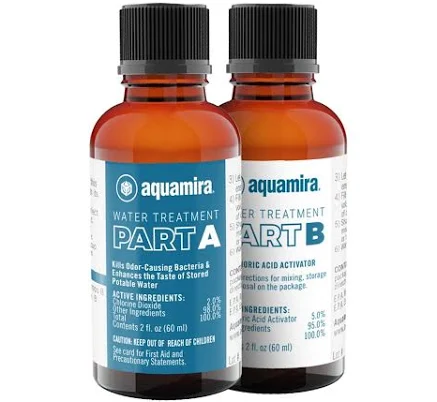
- glass bottles, sodium dichloroisocyanurate treatment chemical
- We found no PFAS statement from the brand
- Chemical overdose or misuse
5 hazards checked on this product, all on its full breakdown.

- Stainless steel housing and spigot
- We found no PFAS statement from the brand
- Bacterial growth and biofilm if filters not replaced
5 hazards checked on this product, all on its full breakdown.
- Borosilicate glass pitcher, replaceable activated-carbon filter cartridge
- Bacterial growth in filter cartridge if unmaintained
5 hazards checked on this product, all on its full breakdown.
More water filters grades
How we score, every product runs through the same public 0-100 rubric based on materials, coatings, brand disclosure, lab findings, and recalls. See the full methodology → Spotted a mistake? Report an error.